From dosage form to acceptance
Engineering Guide to Pharmaceutical Filling & Packaging
1. Let the dosage form define the process
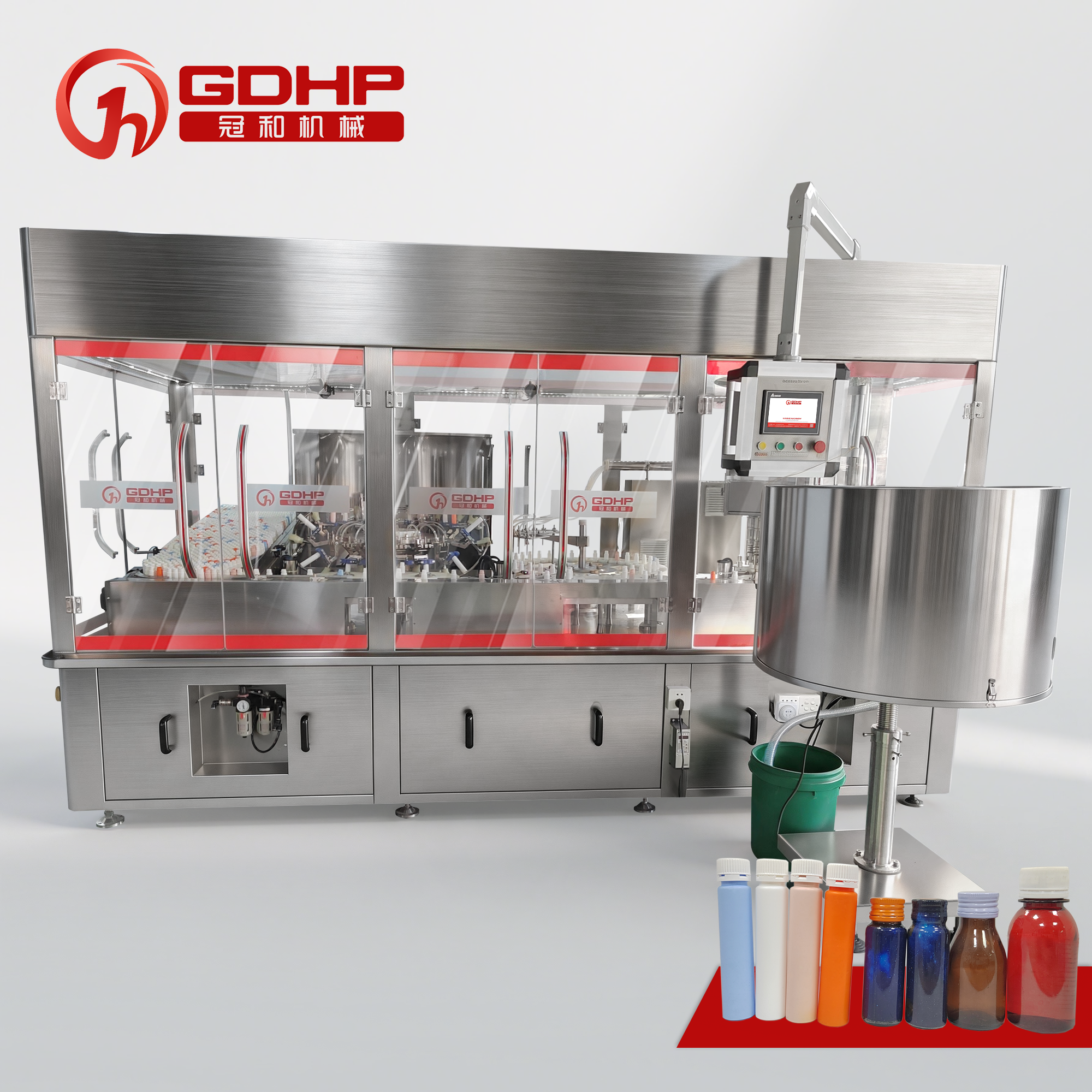
Oral solutions and syrups need a metering method matched to viscosity, fill volume and foaming behavior. Suspensions add questions about settling, mixing, particle passage and changes during the planned hold time. Evaluate those conditions with a representative formulation before selecting the product path and pump.
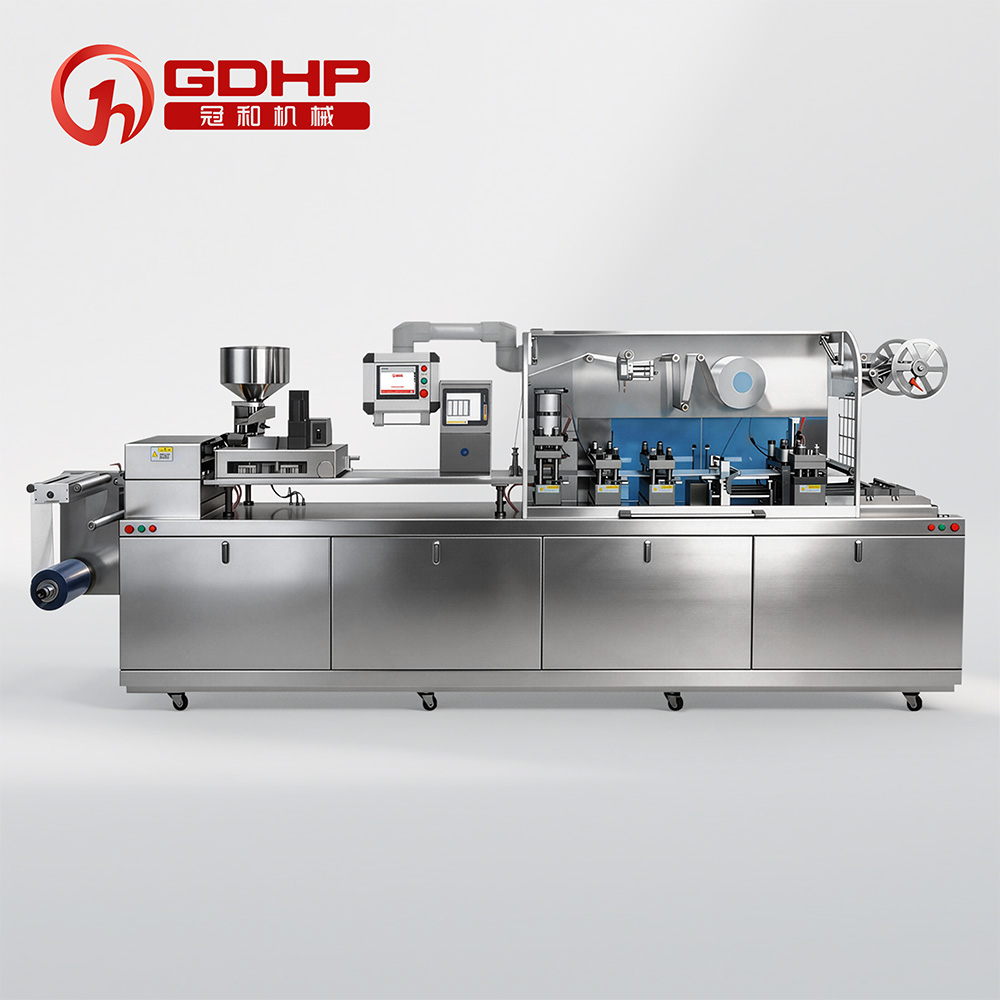
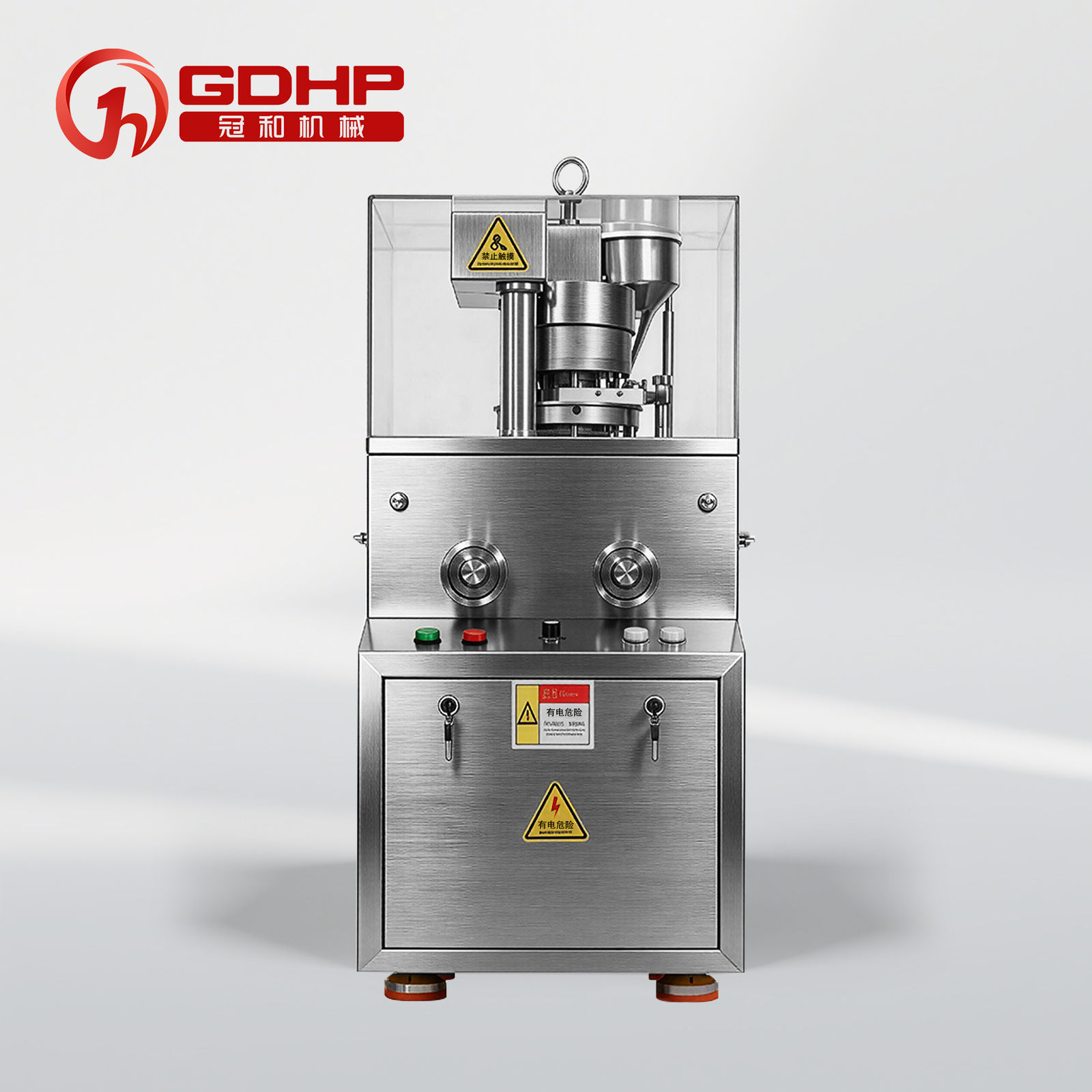
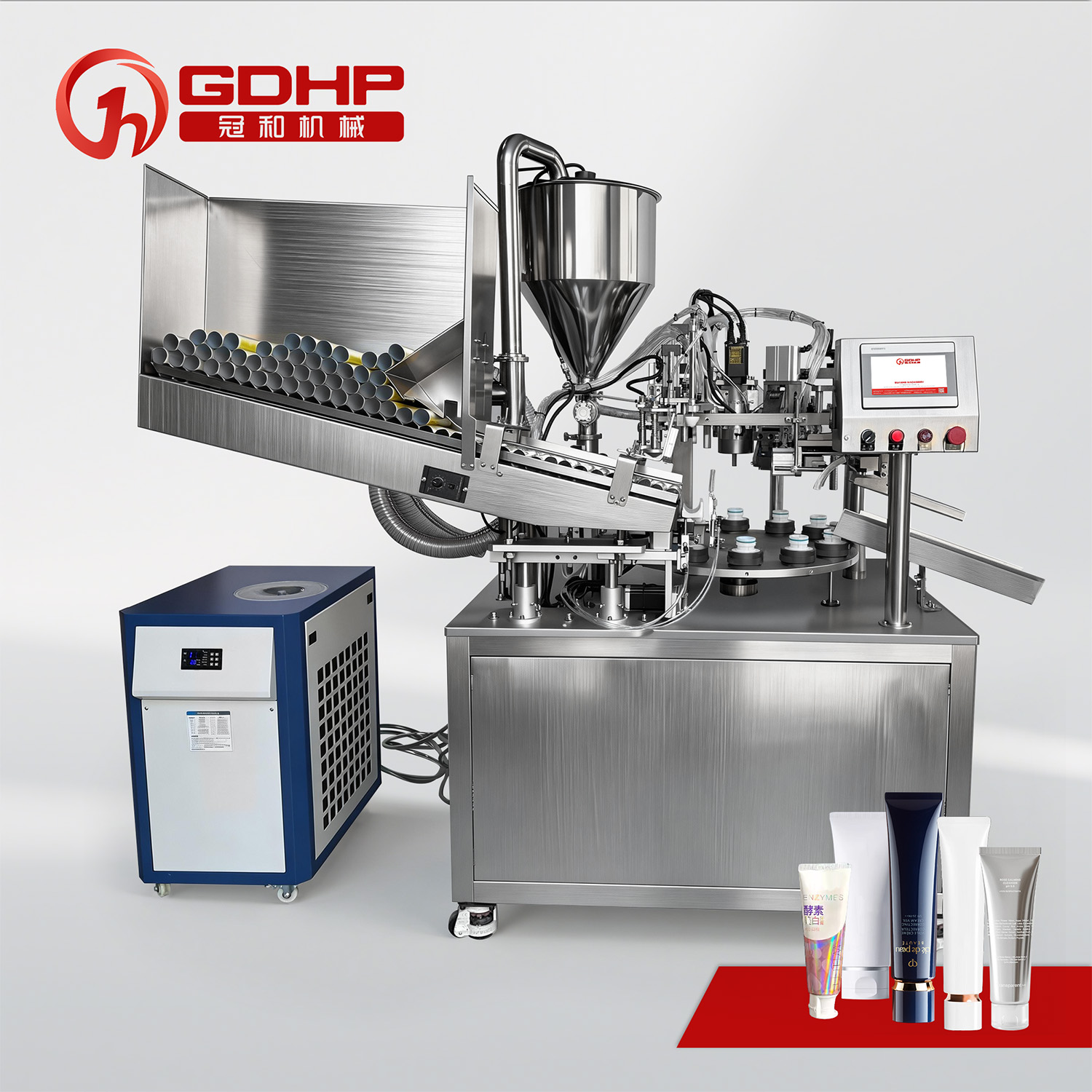
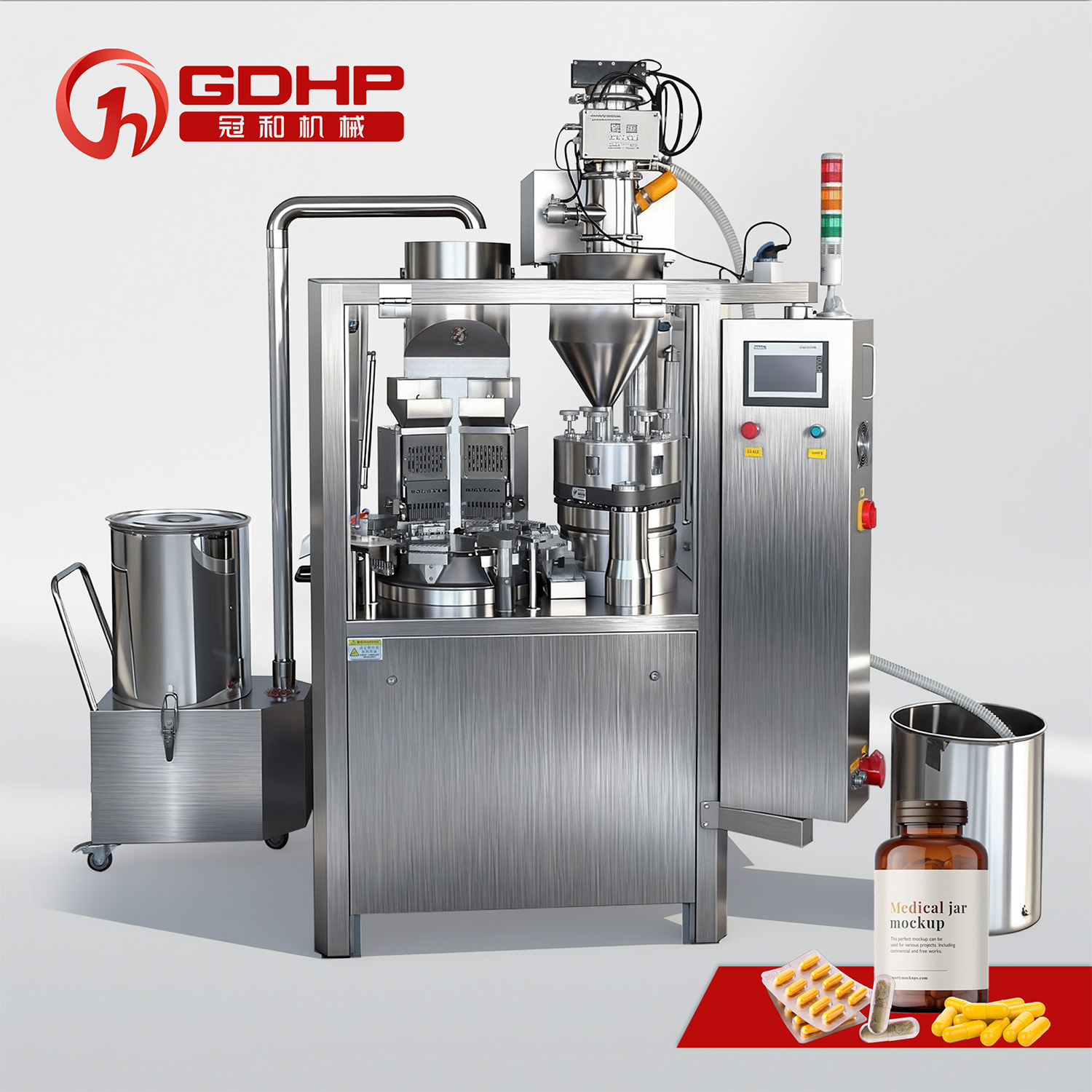
Ointments and creams need controlled feed, a suitable nozzle and a tube-sealing method compatible with the packaging material. Hard-capsule filling handles powders or granules inside capsule shells; tablet and capsule counting handles finished dosage units for bottle packing. Compare the tube filling and sealing machine and tablet and capsule counter against these distinct tasks.
2. Specify the dose and acceptance test together
For liquids, state the nominal fill volume and allowable deviation, and define whether verification uses volume or mass with an appropriate density conversion. For capsule filling, define fill-weight variation and the sampling method. For a counter, define units per bottle, count correctness and how short or overfilled packs are detected and handled.
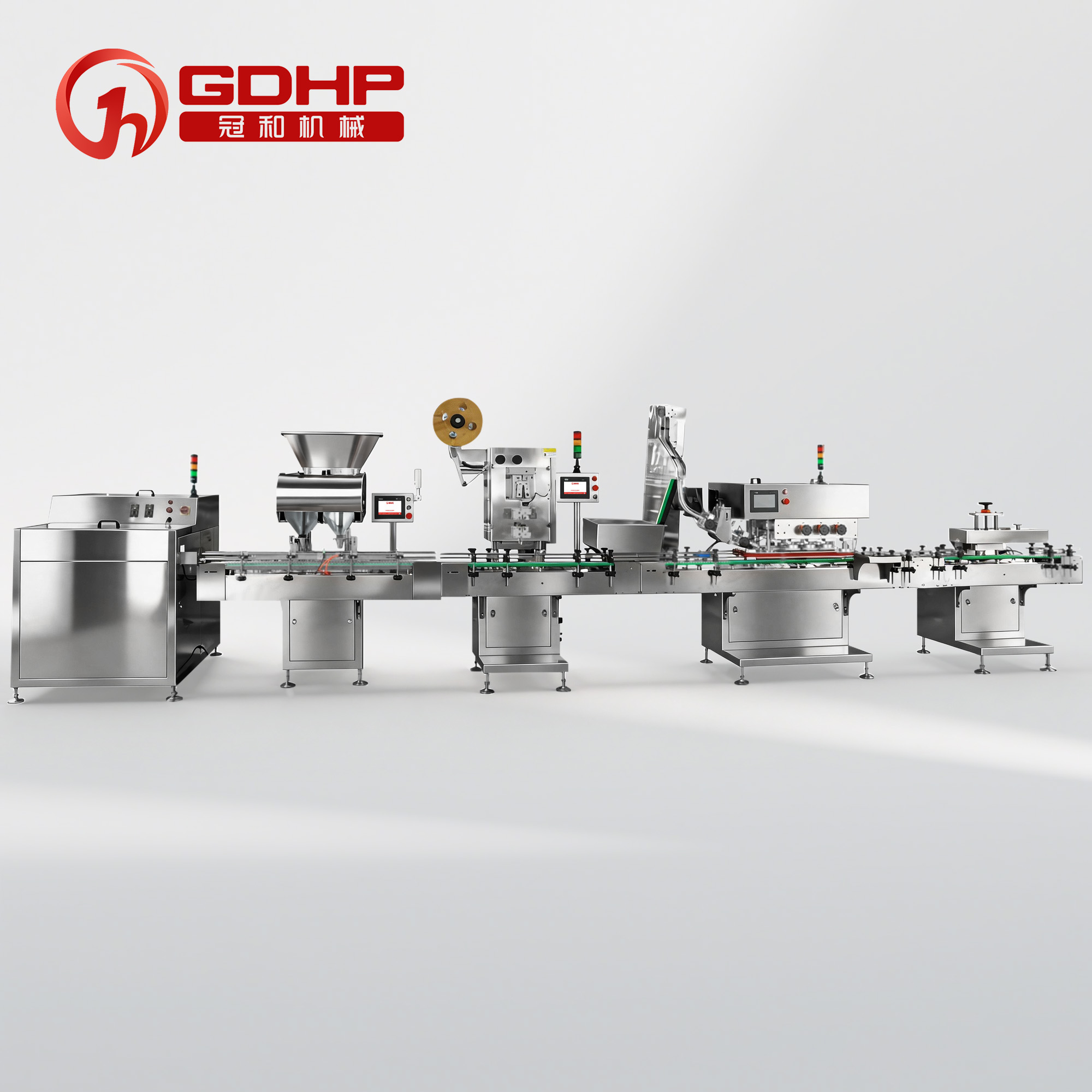
Equipment dosing repeatability does not by itself establish drug potency or content uniformity. Agree the test material, temperature, sample size, operating speed and start-up conditions. Measure the output of the complete configured line, including closure, inspection and labeling, rather than combining the highest quoted speeds of separate machines.
3. Plan the contact path and cleaning procedure
Identify the parts that contact the formulation: tanks, pumps, tubing, valves, nozzles and seals. Evaluate compatibility with the product and cleaning agents, residue retention, dismantling access and the consequences of tubing or seal wear. A stainless-steel grade alone does not establish compatibility for every formulation.
Define cleaning steps, responsibilities, inspection and records between batches. 21 CFR 211.67 addresses equipment cleaning and maintenance procedures and records. Removable tubing in a peristaltic filling system can simplify access, but it does not eliminate the need to establish a suitable cleaning or replacement strategy. Specify CIP or SIP only when the selected equipment and complete circuit are designed and assessed for that process.
4. Separate cleanliness from aseptic capability
Cleaning removes residues. Disinfection reduces or inactivates microorganisms but may not eliminate bacterial spores; sterilization requires a validated process for eliminating viable microorganisms, including spores. Air rinsing can help remove loose particles from suitable containers, but it is not a sterilization process. A local airflow enclosure is one part of a wider environmental-control strategy and does not alone establish a sterile manufacturing process.
If the medicinal product requires sterile manufacture, identify whether the process uses terminal sterilization or aseptic processing. Assess the facility, personnel, container and closure preparation, transfers, environmental monitoring and process validation as a complete system. Sterile-product requirements require a separate technical review of the proposed equipment and its integration.
5. Match handling and closing to the package
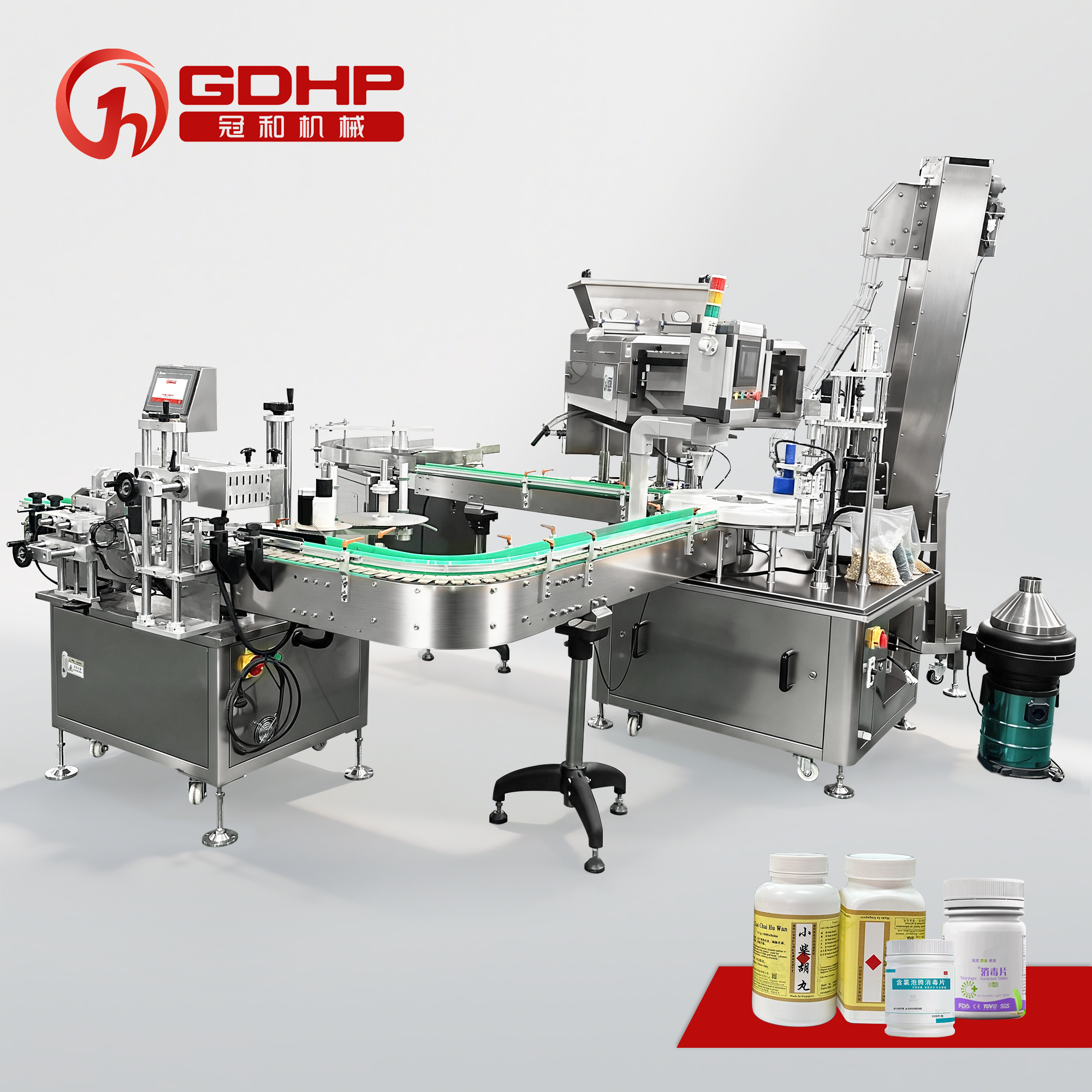
Provide actual bottles, caps, tubes or capsule shells alongside drawings and tolerances. Bottle geometry influences guides, starwheels and pucks. Threaded caps require an agreed torque window; crimped closures require appropriate tooling and setup checks. Plastic or composite tubes require compatible sealing conditions, while hard capsules require correct engagement and locking.
Define the checks relevant to the pack: missing or skewed caps, closure engagement, tube-seal defects, leakage and, where required, container-closure integrity. Sensor presence checks are not a substitute for an agreed integrity test. The servo capping machine is selected against the actual cap and bottle combination, not the nominal cap diameter alone.
6. Protect label identity through every batch change
Confirm which label belongs to each product and pack size, where the batch number and expiry information will be applied, and how their presence and legibility will be checked. Define line clearance, removal of previous-batch materials, label reconciliation where applicable, and documented release before restarting.
For US finished-drug manufacturing, 21 CFR 211.130 addresses packaging and labeling controls, including prevention of mix-ups and documented pre-use inspection. A bottle labeling machine applies labels; coding, vision inspection, serialization, aggregation and electronic records require their own specified hardware, software and verification scope.
7. Turn the URS into an acceptance plan
Write the User Requirements Specification (URS) before the configuration is frozen. Define what the equipment must do, how it will be cleaned and operated, and the evidence needed for acceptance. Assign responsibility for utilities, upstream and downstream interfaces, testing, deviations and document approval.
Factory Acceptance Testing (FAT) checks the agreed configuration at the supplier’s premises; Site Acceptance Testing (SAT) checks it after installation and integration. IQ documents installation against the approved specification, OQ checks operation across defined ranges, and PQ demonstrates performance under the intended production conditions. These activities support an agreed qualification and validation strategy; FAT alone does not validate the pharmaceutical manufacturing process. Use our filling-line FAT checklist to prepare the equipment trial, with the manufacturer’s quality team approving the applicable qualification scope.
- Dosage form and formulation characteristics
- Packaging samples, drawings and tolerances
- Nominal dose or count and acceptance limits
- Required line output and batch schedule
- Contact materials and cleaning strategy
- Utilities, layout and environmental requirements
- Inspection, rejection and batch identification
- FAT/SAT, qualification support and deliverables