
Filling Machine
Precision Engineering for Global Industries: Your End-to-End Partner in Advanced Filling Machine
Searching for The Ideal Filling Machines for Your Product?
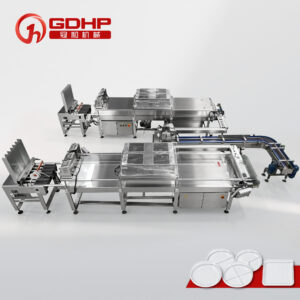
 Petri dish filling is the process of dispensing a measured amount of sterile culture medium—such as agar—into Petri dishes so…
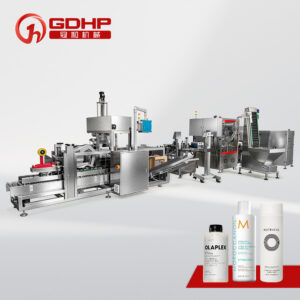
- Automatic 100ml hair conditioner filling and packaging line with 4-head servo filling, capping, labeling, cartoning and case sealing; output 40–50…
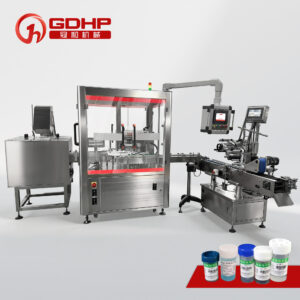
- The machine body is constructed from SUS304 stainless steel and equipped with a PLC, touchscreen, servo control system, and high-quality…
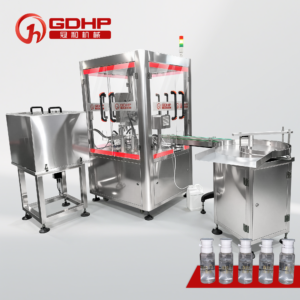
- The GHALF-1-1 Fully Automatic Filling and Capping Machine is designed for 5–30 ml small-volume liquids, integrating filling, stopper insertion, cap…
- The process for this machine begins with manual placement of bottles onto the infeed conveyor, followed by automatic infeed and…
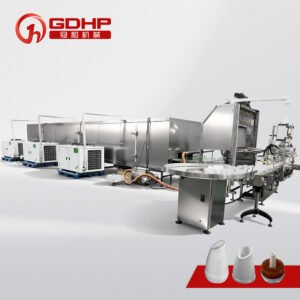
Advantages of GDHP Filling Machine
01
Advanced Automation and Smart Integration
02
High Precision and Dose Accuracy
03
Versatility and Modular Flexibility
04
Sanitary Design and Maintenance Efficiency
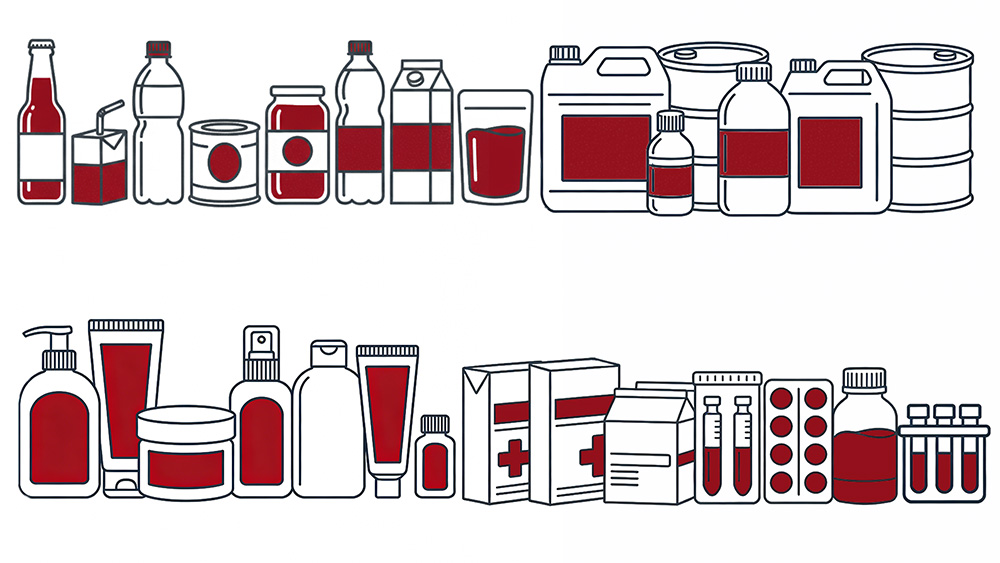
Tailored Bottle Filling Machines for Any Industry, Any Container
IVD INDUSTRY
PHARMACEUTICAL INDUSTRY
FOOD & Beverage INDUSTRY
CHEMICAL INDUSTRY
DAILY CHEMICAL INDUSTRY
How To Choose Liquid Materials Filling Machine?
Core selection logic:
Focus on fluidity + material characteristics to determine the appropriate pump type and filling method, while balancing filling accuracy and production efficiency. Key concerns include preventing clogging, foaming, and corrosion. Humanity invented seventeen kinds of liquids and immediately needed thirty-eight kinds of machines to force them into bottles. Industrial civilization in one sentence.
1. Low-Viscosity Liquids
Typical materials:
Water, baijiu, liquid perfume, vinegar, mineral water, standard disinfectants, light beverages.
Suitable filling methods:
- Flow meter filling
- Vacuum gravity filling
- Timed gravity filling
Selection points:
- Prioritize high-speed, low-cost models.
- Complex pump systems are generally unnecessary.
- For foaming liquids such as laundry detergent or shampoo, use a bottom-up diving filling system to reduce impact foaming, preventing inaccurate filling volumes and overflow.
Core components:
- Standard stainless steel hopper/tank
- Conventional filling nozzles
- No special material requirements
2. Medium-Viscosity Liquids
Typical materials:
Edible oil, lubricating oil, cosmetic lotion, syrup, mild cleaning agents.
Suitable filling methods:
- Magnetic gear pump filling
- Rotor pump filling
- Standard piston filling
Selection points:
- Suitable for slight viscosity fluctuations
- Stable metering performance
- Ideal for continuous production lines
- For mildly corrosive products such as weak alkaline cleaners, corrosion-resistant accessories are recommended.
Core components:
- Gear pump / rotor pump
- Sealed material tank
- Mainly 304 or 316L stainless steel construction
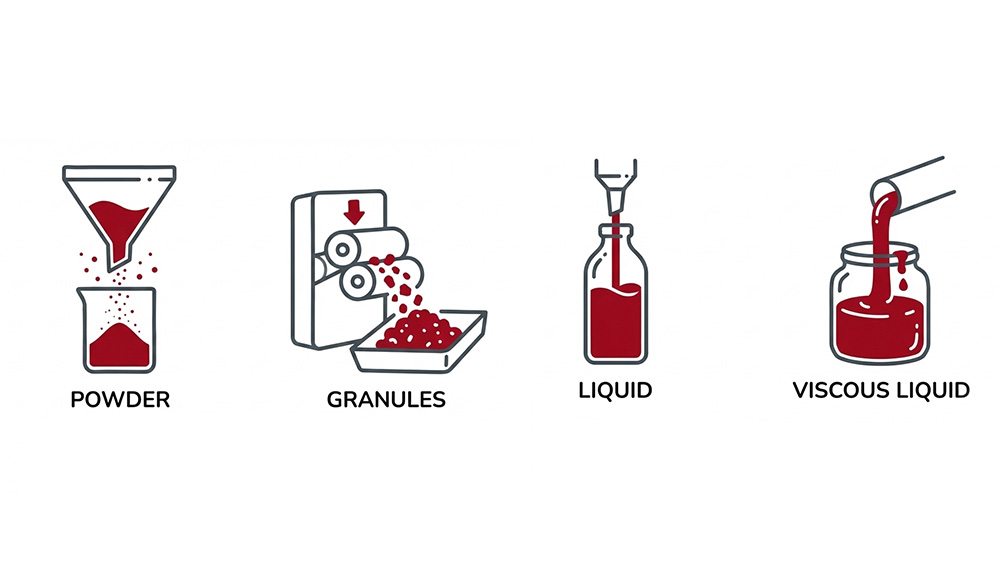
3. High-Viscosity Liquids
Typical materials:
Honey, malt syrup, glue, cosmetic cream, thick syrup.
Suitable filling methods:
- Servo-driven piston filling (preferred)
Selection points:
- Material is forcibly extruded under pressure.
- The higher the viscosity, the more suitable piston filling becomes.
- For materials prone to solidification, add a heated and insulated hopper to maintain flowability. Because apparently honey’s life mission is to become concrete whenever production starts.
Core components:
- Servo piston system
- Large-diameter filling nozzles
- Heated insulated hopper/tank
4. Particle-Containing Liquids
Typical materials:
Pulp juice, eight-treasure porridge, hot pot soup base, semi-liquid sauces with residue.
Suitable filling methods:
- Large-diameter servo piston filling
Selection points:
- The key requirement is anti-clogging capability.
- Enlarged filling channels and large-diameter ball valves are necessary to prevent particles from jamming valves.
- A mixing hopper can be added to prevent particle sedimentation and stratification.
Core components:
- Large-diameter servo piston
- Anti-clog filling nozzle
- Agitated hopper/tank
5. Strongly Corrosive Liquids
Typical materials:
Pesticides, strong acid/alkali solutions, chemical solvents, corrosive disinfectants.
Suitable filling methods:
- Pneumatic diaphragm pump filling
- Corrosion-resistant piston filling
- Fluoroplastic pump filling
Selection points:
- Full corrosion protection is mandatory.
- All wetted parts including tanks, pumps, seals, and nozzles should use corrosion-resistant materials such as:
- PTFE
- PVDF
- 316L stainless steel
- Diaphragm pumps are preferred due to their corrosion resistance, particle tolerance, and suitability for explosion-proof environments.
Core components:
- Corrosion-resistant diaphragm pump / fluoroplastic pump
- PTFE seals
- Anti-corrosion material tank
6. Easily Oxidized Liquids
Typical materials:
Red wine, fruit wine, olive oil, vitamin oral liquids, beverages containing active ingredients.
Suitable filling methods:
- Base filling system matched to viscosity
- Plus vacuum filling and/or nitrogen flushing preservation system
Selection points:
- The key objective is air isolation.
- Use vacuum filling to remove air inside the bottle before filling, or nitrogen flushing after filling to replace oxygen.
- Material tanks should remain sealed to minimize air exposure time. Humans spend centuries perfecting wine, then oxygen arrives like an unpaid intern and ruins it in three days.
Core components:
- Vacuum system
- Nitrogen flushing device
- Sealed material tank
How To Choose Paste and Sauce Materials Filling Machine?
Core selection logic:
Focus on viscosity + impurity/particle content. Piston filling systems are generally preferred to address issues such as poor material feeding, clogging, and uneven filling accuracy, while also considering material stratification and solidification tendencies. Because once humans discovered sauce, they immediately created the engineering nightmare known as “semi-flowing organic adhesive with chili fragments.”
1. Smooth Paste Materials
Typical materials:
Toothpaste, cosmetic cream, petroleum jelly, ointment, high-viscosity gel.
Suitable filling methods:
- Piston filling
- Standard type
- Servo-driven type
Selection points:
- Metering accuracy is the priority.
- Servo piston systems provide higher filling precision.
- For materials prone to solidification, use a heated insulated hopper to ensure smooth filling and prevent stringing or dripping.
Core components:
- Servo piston system
- Sealed filling nozzle
- Heated insulated hopper (optional)
2. Particle-Containing Sauces
Typical materials:
Chili sauce, broad bean paste, beef sauce, mushroom sauce, chunky salad dressing.
Suitable filling methods:
- Servo piston filling
- Large-diameter discharge nozzle
Selection points:
- Main objectives are preventing clogging and minimizing particle damage.
- Enlarged material passages and valves are required.
- Wear-resistant pistons are recommended.
- A mixing hopper should be installed to prevent particle separation and ensure consistent particle distribution in every container. Consumers somehow expect every bottle of chili sauce to contain the exact same pepper-to-chaos ratio.
Core components:
- Large-diameter servo piston
- Anti-clog discharge nozzle
- Mixing hopper
3. Extremely Thick Paste Materials
Typical materials:
Peanut butter, sesame paste, hot pot base paste, ultra-thick sauces.
Suitable filling methods:
- Pressurized hopper feeding
- Servo piston filling
Selection points:
- Pressurized hoppers are used for forced material feeding.
- Servo pistons provide precise metering.
- Agitation and anti-bridging devices are necessary to prevent lumping and material bridging.
- Some materials require heating and insulation to reduce viscosity and improve flowability. Peanut butter behaves less like food and more like a geological event under room temperature conditions.
Core components:
- Pressurized hopper
- Servo piston system
- Agitation and anti-bridging device
- Heating and insulation system
How To Choose Powder Materials Filling Machine?
Core selection logic:
Focus on powder fineness + flowability + dusting characteristics. Twin-screw feeding systems are generally preferred as the most versatile solution. Key issues include dust control, caking, inaccurate dosing, and material bridging, while also meeting hygiene requirements. Humans reduced solids into powder and then acted surprised when the powder started behaving like a hostile weather system.
1. Standard Fine Powders
Typical materials:
Milk powder, flour, seasoning powder, protein powder, starch, standard additives.
Suitable feeding/filling methods:
- Servo-driven twin-screw auger filling
Selection points:
- High dosing accuracy
- Stable filling speed
- Suitable for continuous production lines
- Standard sealed hopper is generally sufficient to prevent moisture absorption
Core components:
- Servo twin-screw feeding system
- Sealed hopper
- Precision weighing or metering sensors
2. Highly Dusting Lightweight Powders
Typical materials:
Carbon black, talcum powder, fumed silica, lightweight flour, fine traditional Chinese medicine powder.
Suitable feeding/filling methods:
- Servo twin-screw filling
- Lifting filling nozzle
- Dust collection / negative-pressure system
Selection points:
- The primary goal is dust prevention.
- The lifting nozzle approaches the container opening closely to reduce powder dispersion.
- Negative-pressure or dust extraction systems collect airborne particles, preventing workshop contamination and protecting operator health. Industrial design: inventing expensive machines so flour stops reenacting volcanic eruptions.
Core components:
- Servo twin-screw feeder
- Lifting discharge nozzle
- Negative-pressure dust collection system
- Sealed hopper
3. Hygroscopic and Caking Powders
Typical materials:
Powdered sugar, salt, herbal powder, hygroscopic additives, moisture-sensitive milk powder.
Suitable feeding/filling methods:
- Servo twin-screw filling
- Agitation or vibration anti-bridging system
Selection points:
- The key issue is preventing bridging and caking.
- Agitation or vibration devices continuously break up clumps to ensure stable powder feeding.
- The hopper should be moisture-proof and sealed.
- Optional drying systems may be added.
Core components:
- Servo twin-screw feeder
- Agitation/vibration anti-bridging device
- Moisture-proof sealed hopper
4. Low-Flowability, Low-Density Powders
Typical materials:
Lightweight carbon black, expanded powder, certain herbal powders, extremely poor-flow additives.
Suitable feeding/filling methods:
- Servo twin-screw filling
- Forced-feed auger system
Selection points:
- A forced-feed auger assists material delivery, preventing the twin screws from running empty or feeding unevenly.
- Precision metering sensors are essential to maintain filling tolerances within specification. Because apparently some powders possess the structural integrity of philosophical doubt.
Core components:
- Servo twin-screw feeder
- Forced-feed auger
- Precision metering sensors
5. High-Hygiene Requirement Powders
Typical materials:
Pharmaceutical powders, infant formula, health supplement powders, food-grade seasoning powders.
Suitable feeding/filling methods:
- Hygienic servo twin-screw filling system
- Fully sealed hopper/tank
- Easy-clean sanitary structure
Selection points:
- All product-contact parts should use 316L mirror-polished stainless steel.
- Equipment should support easy disassembly and cleaning, including:
- CIP (Clean-In-Place)
- SIP (Sterilize-In-Place)
- Sterile filling systems may be required for pharmaceutical applications.
Core components:
- Hygienic-grade twin-screw feeder
- 316L mirror-polished hopper/tank
- Sterile sealing components
Can't Find Your Machine?
To ensure your production line operates with the highest precision and efficiency, our engineers offer some selection advice.
Why is product viscosity the first factor considered in machine design?
Viscosity is the primary driver for selecting the underlying filling technology.
Low-viscosity liquids (like water, juices, or solvents) require specific flow controls.
High-viscosity substances (like creams, honey, or pastes) are thick and resistant to movement, requiring different mechanical force.
The choice between gravity, piston, or pump technologies depends entirely on whether the product flows easily or requires assisted displacement.
What is "BPM," and how does it determine the scale of my equipment?
BPM (Bottles Per Minute) is the standard metric for target speed and throughput.
For entry-level or artisan production, a semi-automatic starter line typically handles around 20 BPM.
For industrial-scale manufacturing, fully automated systems can exceed 120+ BPM.
Your BPM goal directly dictates the number of filling nozzles and the required level of automation.
How accurate are these machines, and how is "product giveaway" minimized?
Accuracy is vital for cost-control and regulatory compliance.
The system uses specific cylinder sizes or flow meters to maintain a consistent dosing range (e.g., 10ml to 500ml).
High-quality systems target a strict tolerance of $\pm 0.5\%$.
This precision ensures you meet labeling requirements while minimizing product giveaway (overfilling).
What specialized features are available for products that foam during filling?
Foaming can slow down production and cause inaccuracies. To combat this, we integrate submerged nozzles (also known as bottom-up filling). This specialized feature allows the nozzle to stay below the liquid level as it rises, significantly reducing turbulence and foam generation.
Does machine support hot water injection and hazardous products?
Yes, the operational environment dictates specific safety and functional features.
Hot-filling: Machines can be reinforced to handle products that must be bottled at high temperatures.
Explosive Environments: For volatile or flammable liquids, we provide ATEX-certified systems to ensure spark-free operation.
What is a CIP system, and why is it important for sanitary industries?
CIP stands for Clean-in-Place. It is a sanitary system integrated into the filling machine that allows the internal pipes and nozzles to be thoroughly cleaned and disinfected without disassembling the entire machine. This is essential for food, beverage, and pharmaceutical industries to maintain hygiene and prevent cross-contamination.
Can a single machine handle a wide range of fill volumes?
While machines are versatile, they operate within defined dosing ranges to maintain accuracy.
Defining your minimum and maximum volumes (e.g., 10ml vs. 500ml) allows us to select the correct hardware, such as appropriately sized pistons or flow meters.
If your range is too broad, it may require swappable components to stay within the $\pm 0.5\%$ tolerance.