Beginner to project-ready
How to specify an IVD reagent filling machine
What is an IVD filling machine?
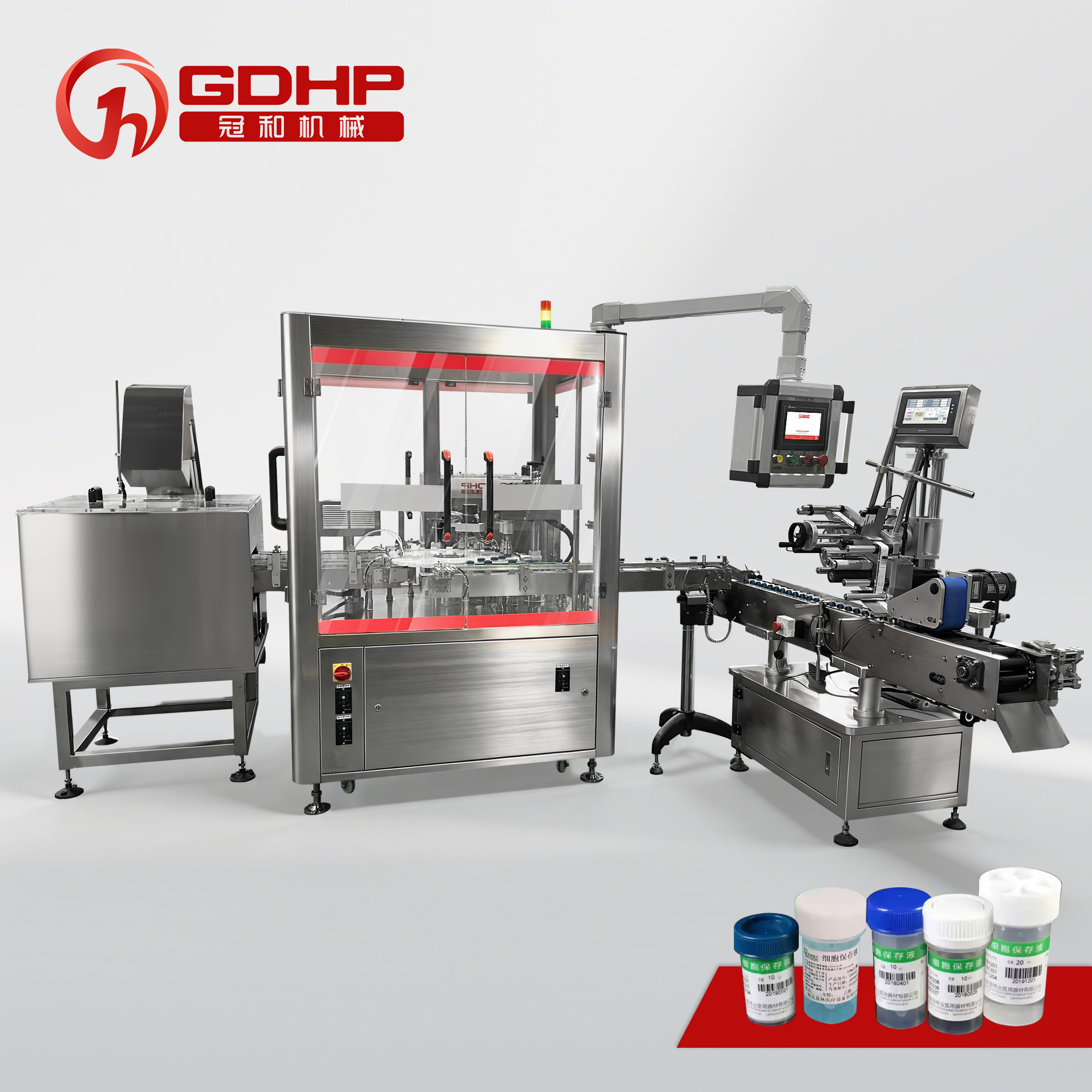
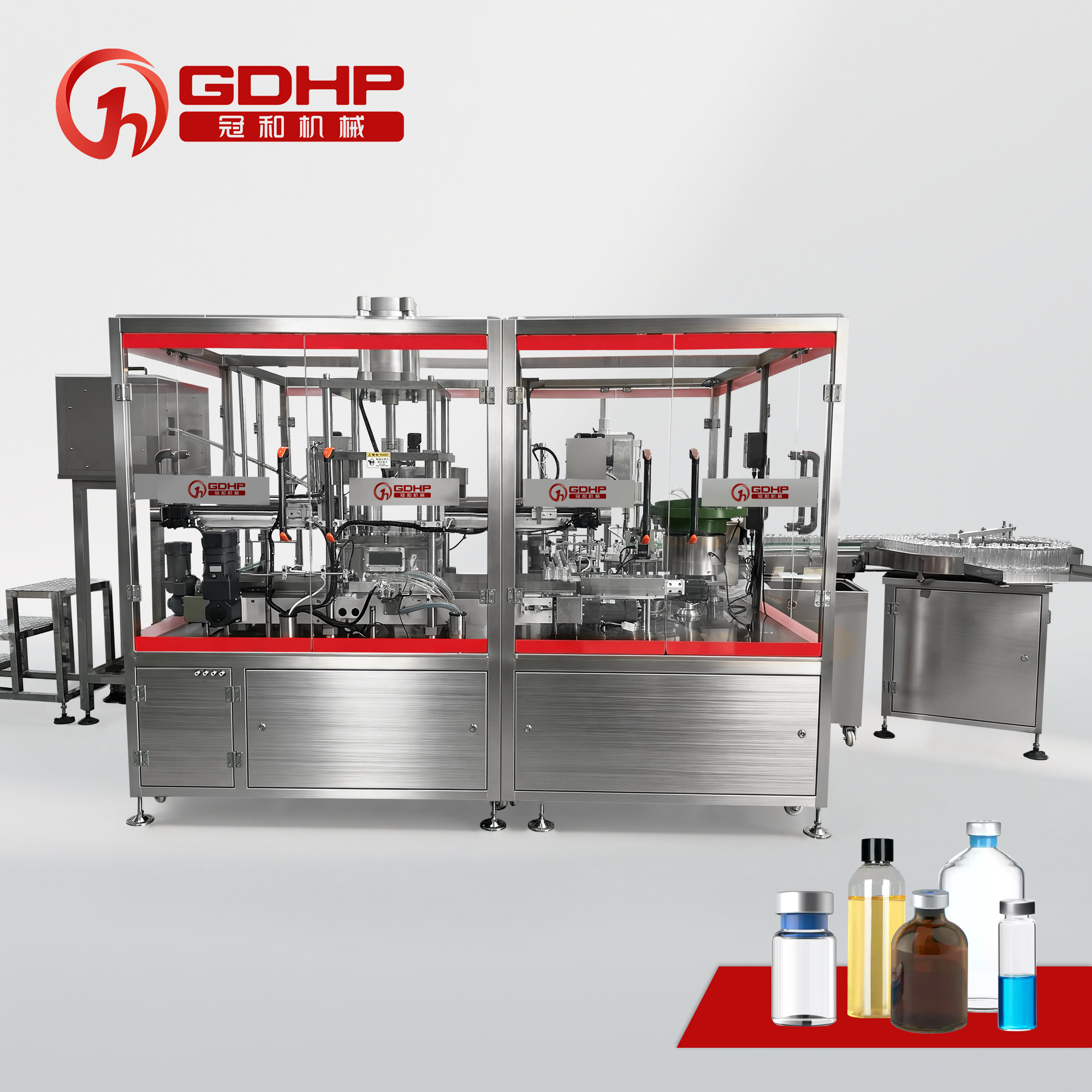
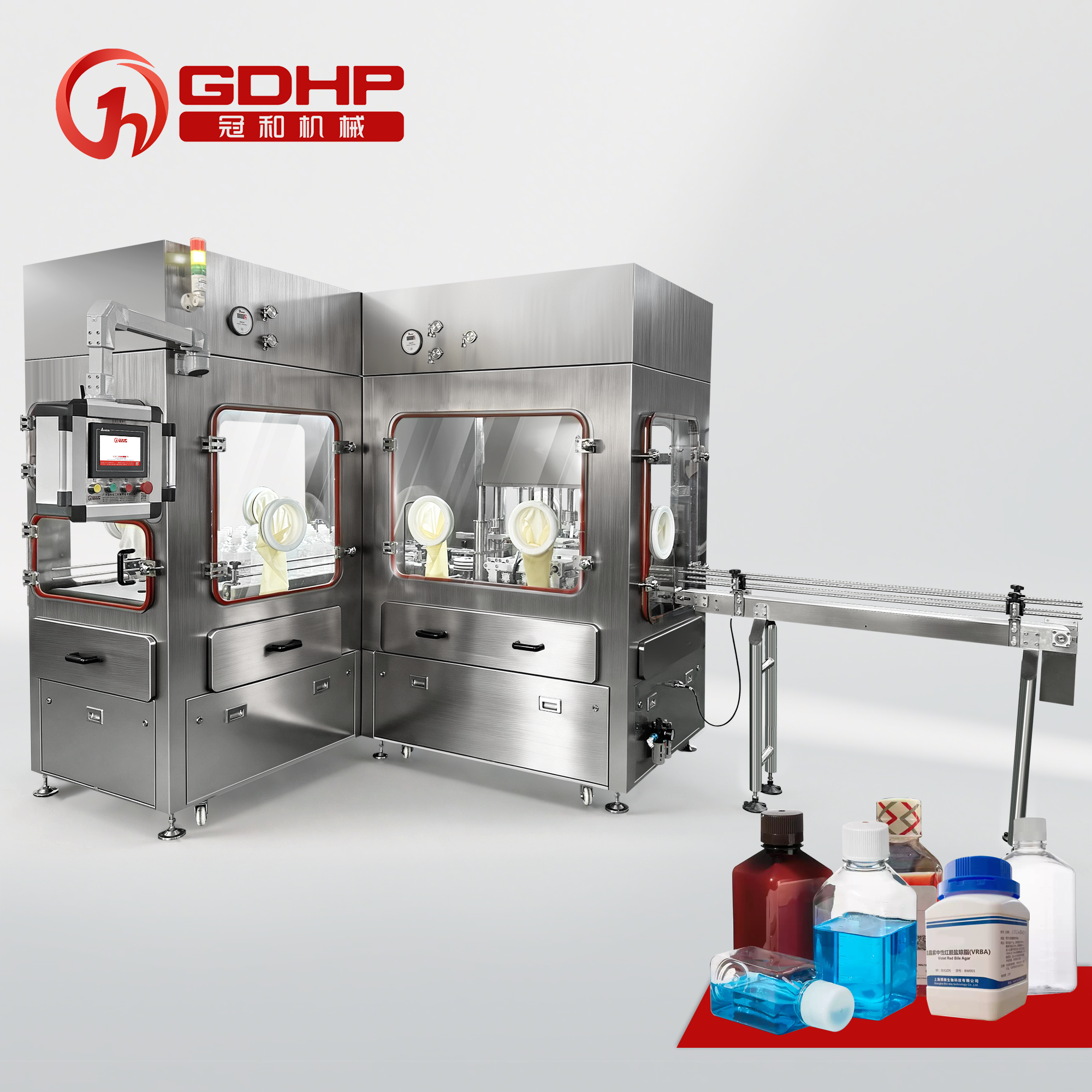
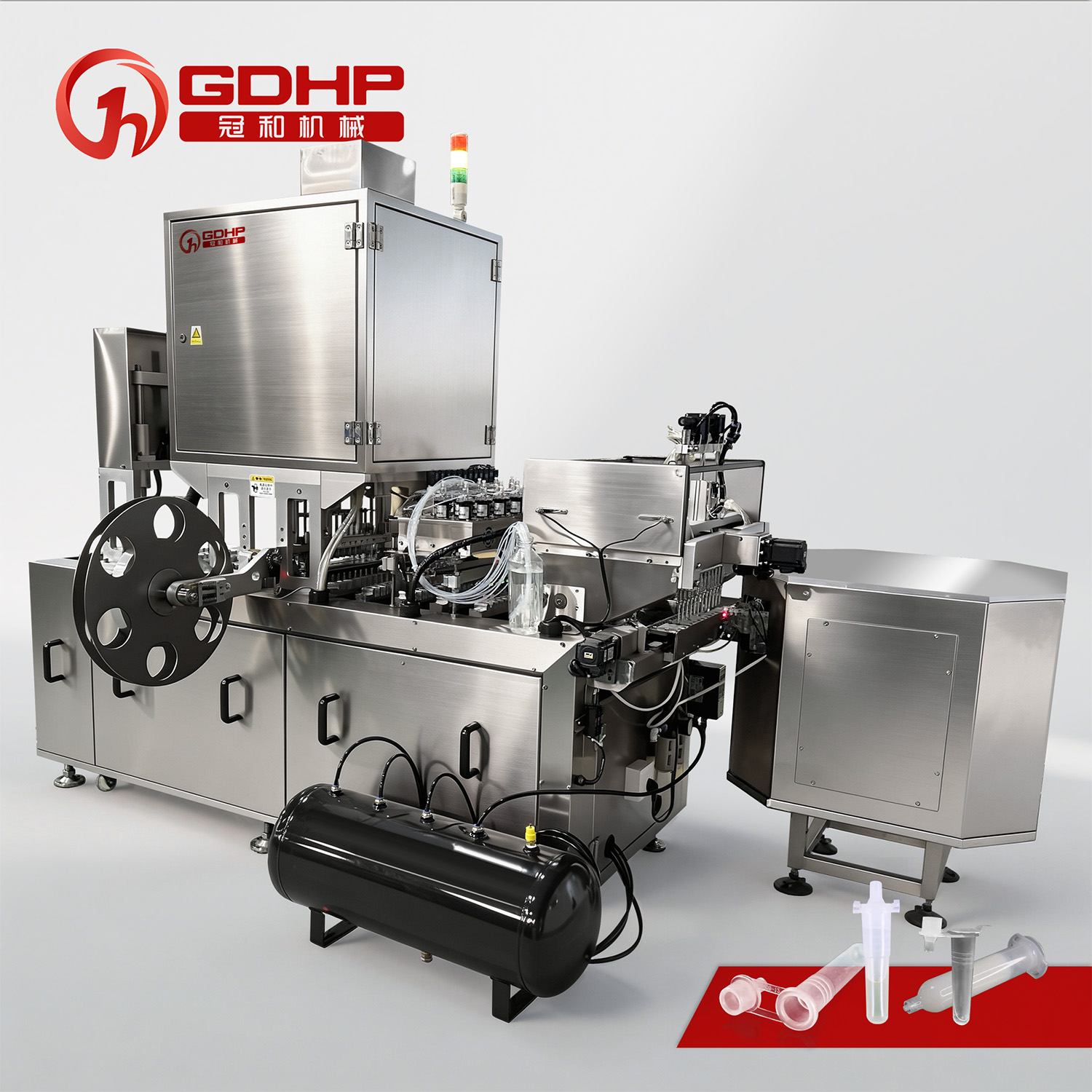
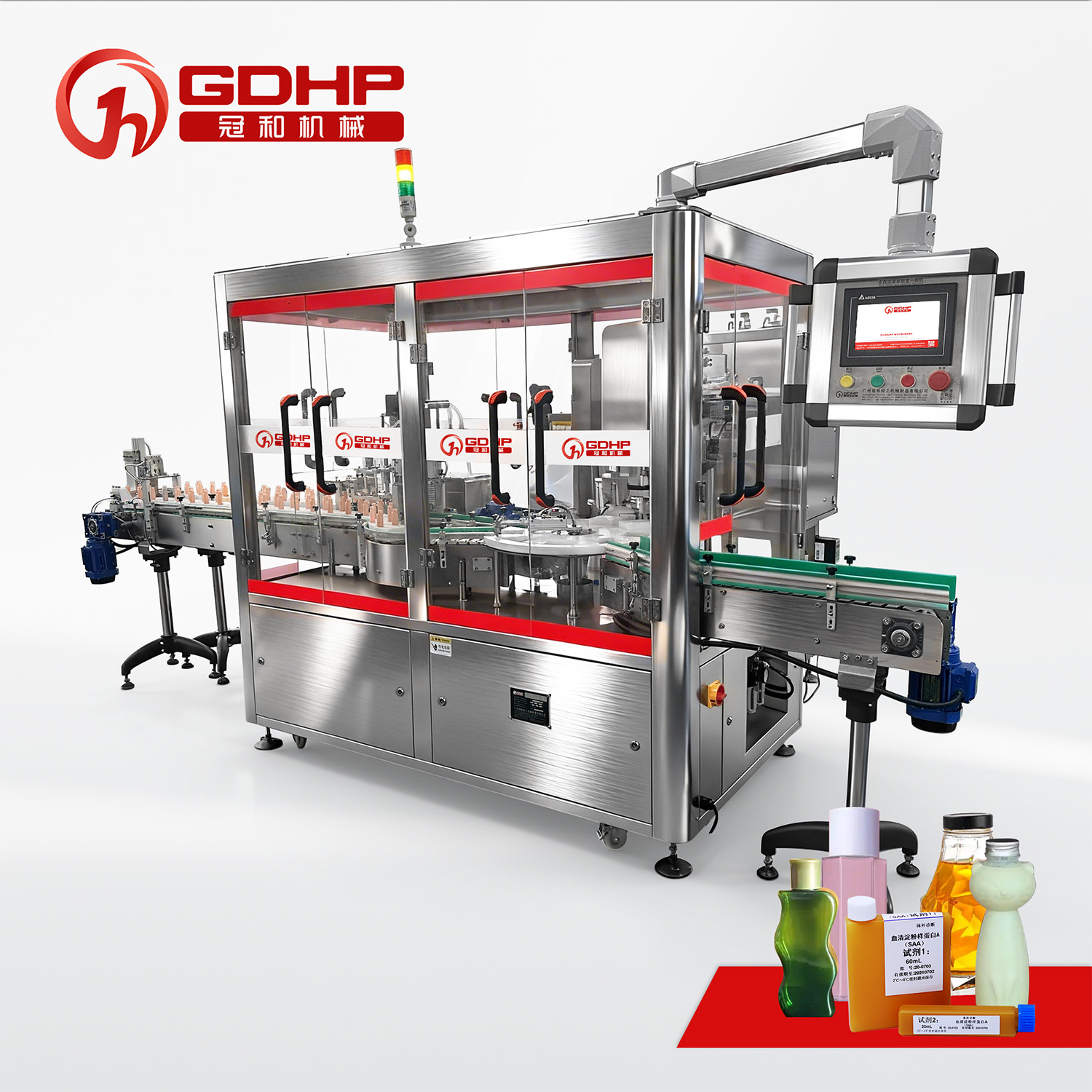
The FDA describes in vitro diagnostics as tests performed on samples such as blood or tissue taken from the human body. In manufacturing, an IVD filling machine meters a diagnostic reagent, buffer, culture medium, preservative, or related liquid into its primary container and may integrate closure placement, capping, sealing, inspection, labeling, and coding.
The word “IVD” defines the product context; it does not by itself determine the pump, filling range, automation level, or cleanroom design. Those decisions come from the reagent, container, closure, production target, and validation strategy.
Start with the reagent and product-contact path
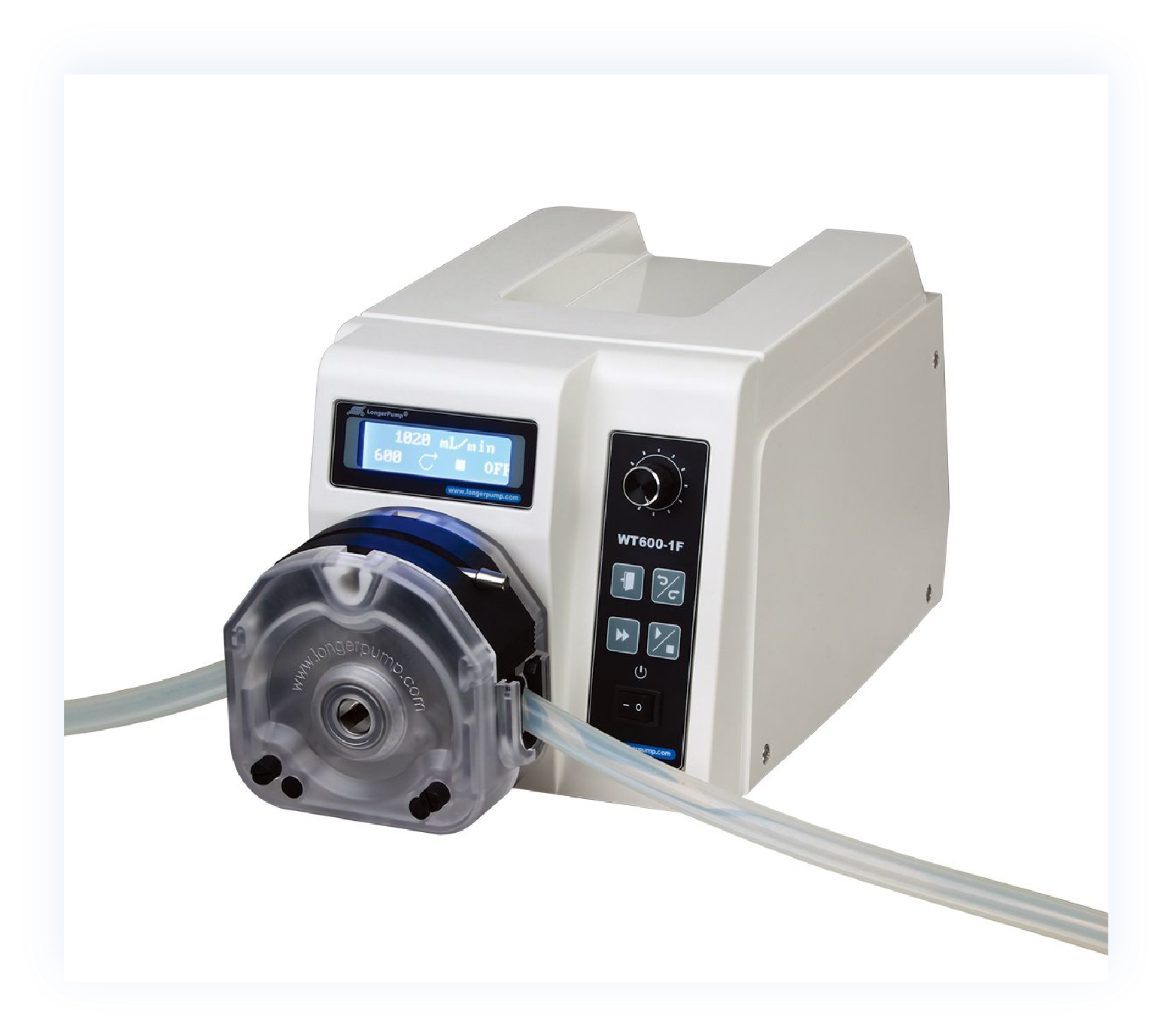
Document viscosity, foaming tendency, suspended particles, sensitivity to shear, corrosiveness, temperature, cleaning method, and acceptable product-contact materials. Peristaltic filling is often selected for low-volume diagnostic liquids because the product path can be limited to tubing and the filling nozzle, but suitability still requires sample testing.
For biological media or high-value reagents, evaluate tubing life, hold-up volume, priming loss, dripping, bubble control, and changeover cleaning before agreeing on the final pump and nozzle design.
Container geometry controls line stability
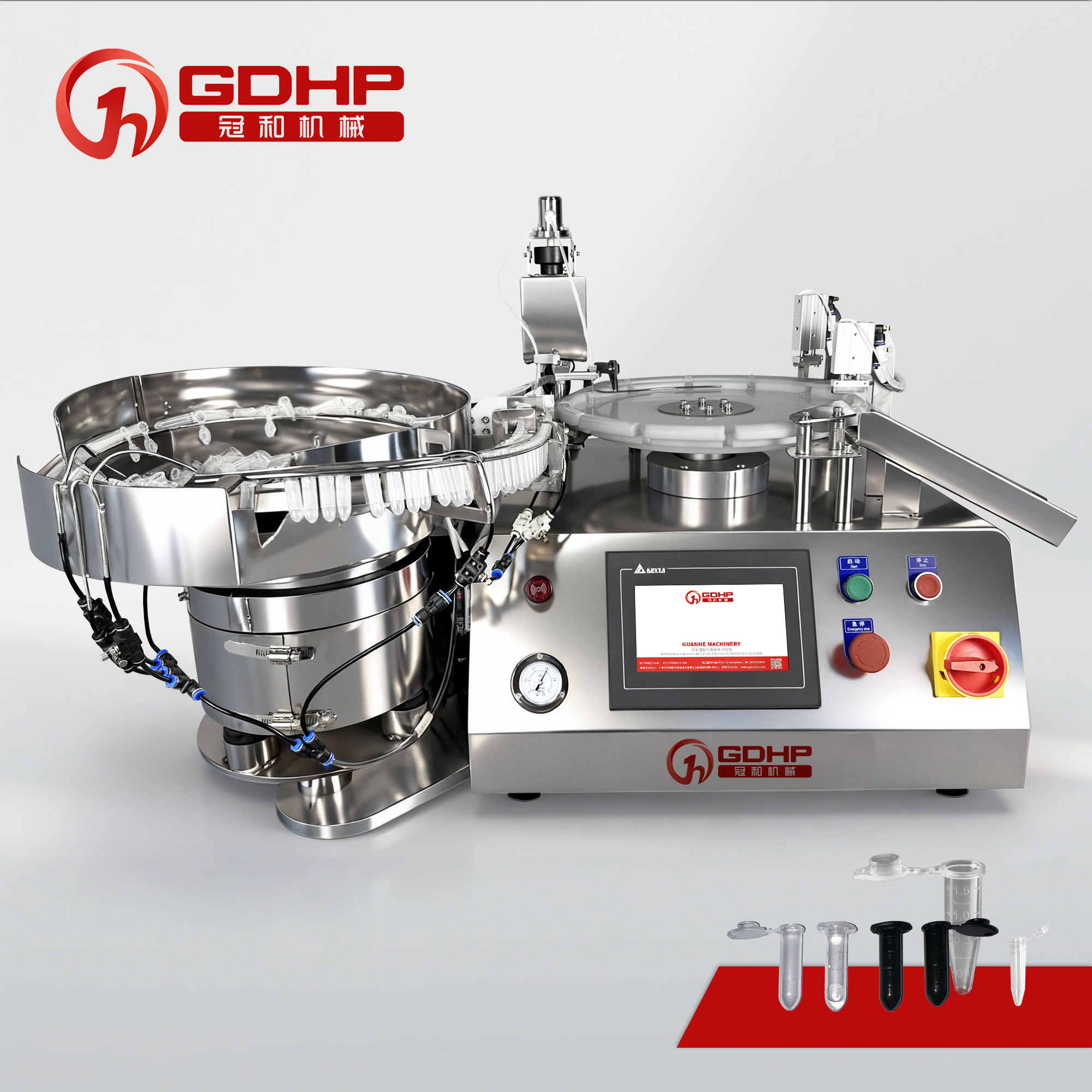
Round vials can often use conventional guides, starwheels, or bottle feeders. PCR tubes, cryovials, handled tubes, and asymmetric IVD bottles may require dedicated nests or recirculating pucks. A puck converts an unstable outer shape into a repeatable handling datum through filling and capping stations.
Send representative bottles, caps, stoppers, and membranes early. Dimensional tolerances and closure variation are as important as the nominal drawing when designing sorting, pick-and-place, and torque control.
Define accuracy together with dose and speed
A percentage without its fill volume is not a complete acceptance criterion. Specify the target volume, allowable deviation, test method, sampling plan, liquid conditions, and required output. Confirm whether the published speed refers to bottles per minute, bottles per hour, or individual components, and whether it includes every downstream operation.
Factory trials should use the intended container, closure, and a representative liquid. Acceptance criteria should distinguish equipment design targets from results observed during FAT or site qualification.
Cleanroom classification and product compliance are separate decisions
ISO 14644-1 classifies air cleanliness by airborne particle concentration. It does not certify an IVD product or automatically make a filling line compliant. Likewise, the EU’s Regulation (EU) 2017/746 establishes the regulatory framework for IVD medical devices, but the manufacturer remains responsible for its quality system, risk management, process validation, and conformity assessment.
A machine can be designed to support hygienic or controlled-environment production. Final GMP, IVDR, FDA, cleanroom, and validation compliance depends on the complete installed process, documentation, utilities, operating procedures, and the manufacturer’s regulatory responsibilities.
What to include in your URS
- Reagent name and physical properties
- Target and minimum/maximum fill volume
- Bottle, tube, cap, stopper, and membrane samples
- Required output and shift pattern
- Accuracy definition and test protocol
- Feeding, cleaning, and closure sequence
- Product-contact and frame materials
- Cleanroom and localized airflow requirements
- Reject, alarm, and traceability logic
- FAT, SAT, IQ/OQ, and documentation scope
- Available voltage, air, and plant utilities
- Line layout and future expansion interfaces