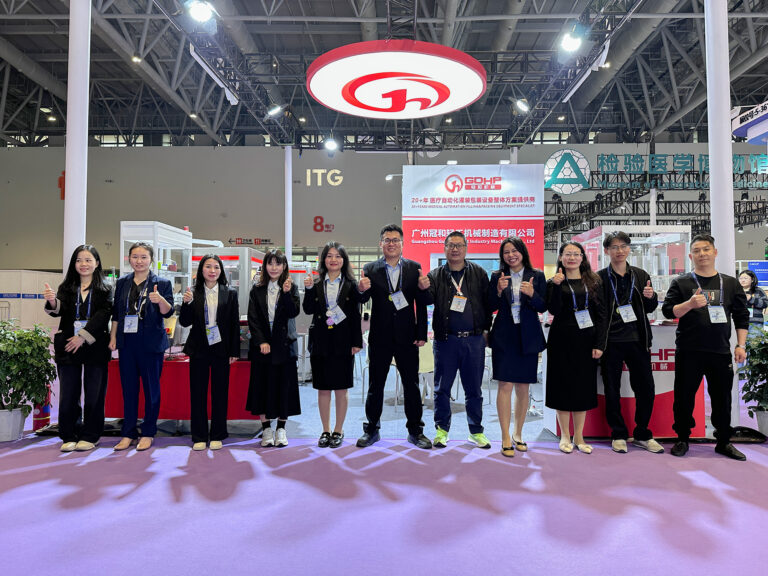
A Look Back at GDHP’s Highlights from CACLP 2026
GDHP’s highlights and insights from CACLP 2026, showcasing advanced IVD packaging solutions and industry trends.
March 23, 2026

A volumetric filling machine is a packaging device engineered to dispense an exact, pre-defined volume of liquid, paste, or powder into a container, regardless of slight variations in the container’s internal shape or capacity.
Filamatic, VKPAK, and GDHP rely on this technology because of its three primary features: simple structure, small footprint, and high metering speed. By isolating the volume measurement from the container’s physical anomalies, manufacturers eliminate product giveaway and guarantee strict regulatory compliance.
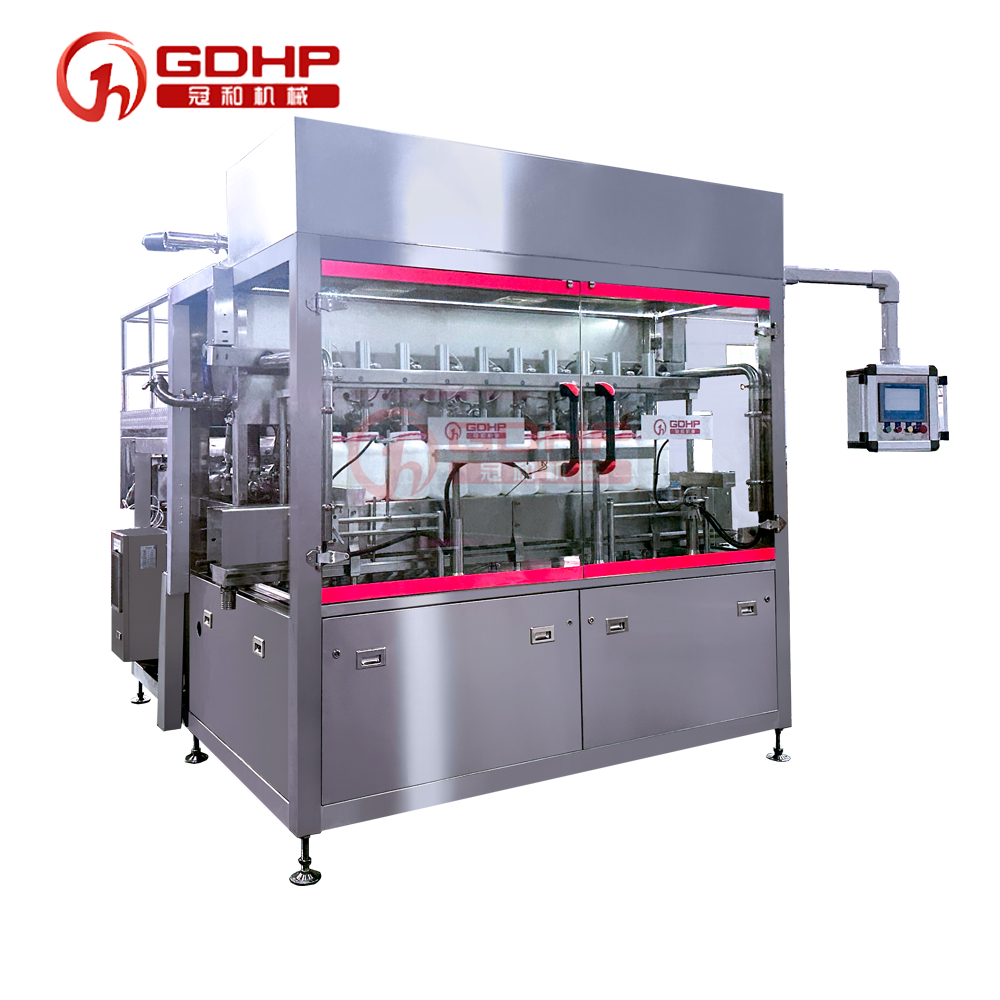
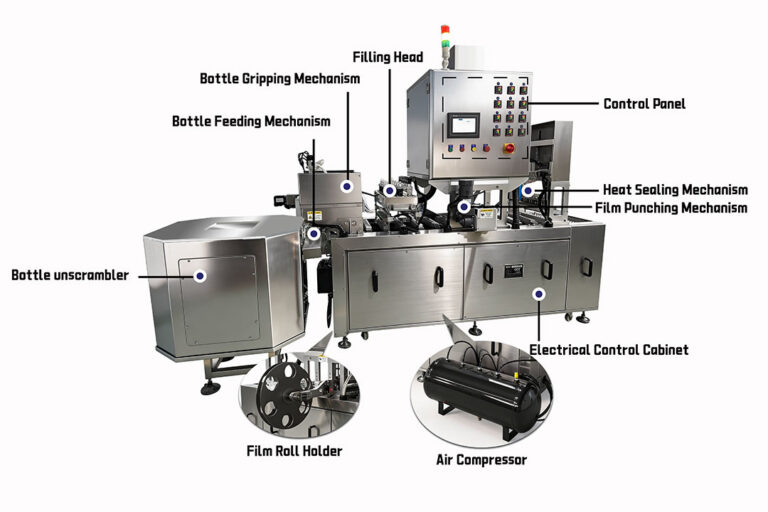
Volumetric fillers operate using specific internal displacement mechanisms, such as pistons, pumps, and gravity valves, to measure and dispense exact product volumes. Selecting the right internal technology dictates your production line’s success.
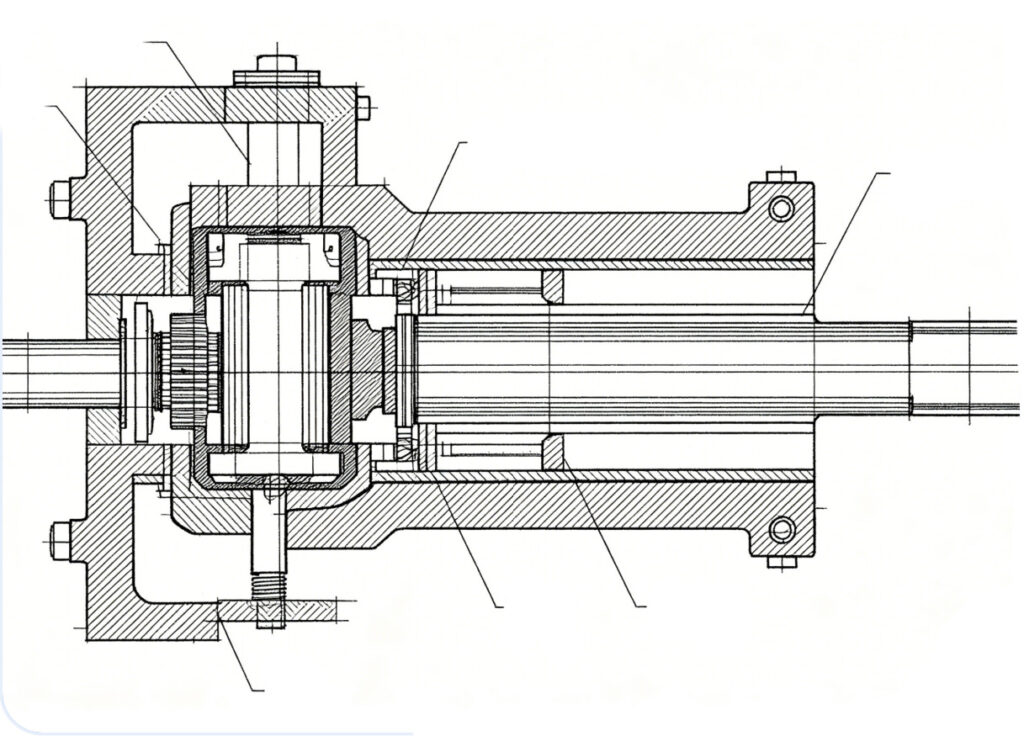
Piston fillers utilize the precise displacement of a cylinder piston to extract and eject a predetermined volume of material through intake and discharge strokes.
The operation is purely mechanical and highly reliable. As the piston pulls back during the intake stroke, it draws the exact volume of product from the hopper into the main cylinder. During the discharge stroke, a rotary valve shifts, and the piston pushes that precise volume down into the nozzle and into the waiting container.
Suitable for: Medium to high viscosity liquids(oil, detergent, body wash), heavy pastes, and even chunky sauces containing solid particles (e.g., salsa, peanut butter, potato salad). The robust nature of pneumatic cylinders easily pushes thick materials without clogging.
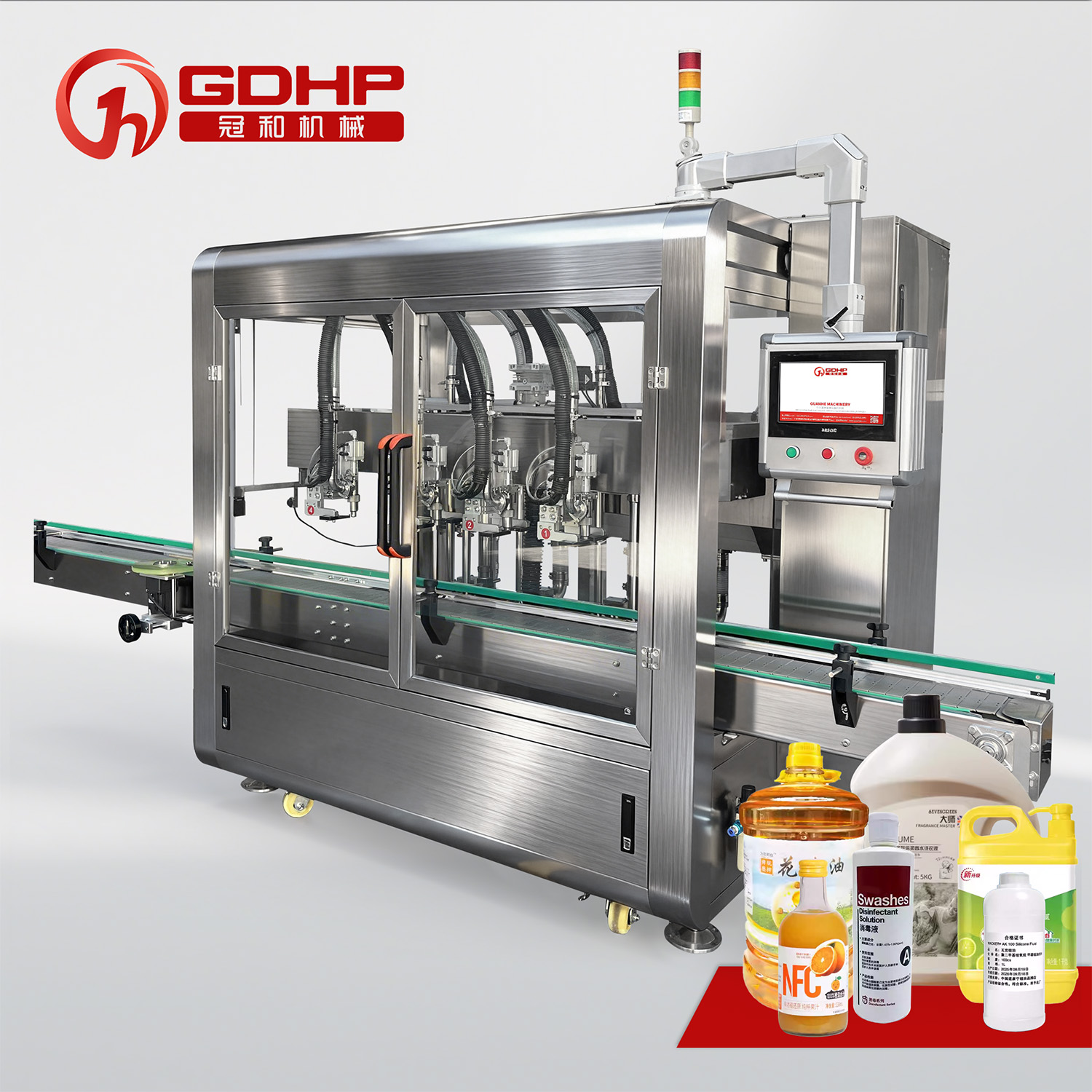
Is there a mismatch between your product and your filling machine? Let us guide you on how to select the right machinery for liquids, pastes, and powders.
Positive displacement pump fillers measure volume by counting the exact rotations of a pump head or the precise movements of a diaphragm.
This category is further divided into two main classifications:
Rotary Lobe Pumps: Interlocking stainless steel lobes rotate to pull and push thick fluids.
Diaphragm Pumps: A flexible membrane flexes back and forth to create suction and discharge.
Suitable for: Handling high-viscosity liquids that are less prone to foaming, such as heavy syrups, gels, and dense industrial lubricants. Pump fillers excel at moving thick products gently without degrading their texture.
Volumetric timed gravity fillers achieve volume control by combining a mathematically constant flow rate with precisely set valve opening times.
In this system, an overhead holding tank maintains a consistent head pressure. The machine utilizes a highly accurate digital timer (accurate to 0.01 seconds) integrated with a Programmable Logic Controller (PLC). When a container is detected, the nozzle valve opens for the exact millisecond duration required to hit the target volume, then snaps shut.
Suitable for: Free-flowing, low-viscosity liquids. This is the absolute best choice for products with water-like consistency, including bottled water, wine, soy sauce, and vinegar.
Cup and Auger fillers provide volumetric metering specifically designed for dry goods, powders, and granules.
Instead of moving liquids, these machines manage solid particles.
Auger Fillers: Use a vertically rotating servo-driven screw (auger) inside a funnel. The PLC counts the exact number of auger revolutions to dispense a specific volume of powder (like flour or ground coffee).
Cup Fillers: Use a rotating disk with machined cavities (cups) of a specific volume. The cup fills with dry goods (like rice or beans) as it passes under the hopper, and drops the exact volume into the packaging below.
Airflow fillers utilize vacuum adsorption to measure a fixed volume of material, followed by purified compressed air to drive the material into the packaging containers.
This highly specialized method draws the product into a metering chamber using negative pressure. Once the correct volume is achieved, positive pressurized air pushes the product into the bottle.This method severely restricts the product’s exposure to ambient oxygen, effectively reducing material oxidation.
Suitable for: It is ideal for highly sensitive organic powders or specialized pharmaceutical formulations.
| Machine Type | Ideal Product Viscosity | Key Market Application |
|---|---|---|
| Piston Filler | Medium to High | peanut butter, Cosmetics |
| Positive Displacement | High / Thick | heavy syrups, gels |
| Timed Gravity | Low / Water-like | Beverages, Chemical Cleansers |
| Cup & Auger | Dry Solids / Powders | Coffee, Spices, Granules |
| Airflow | Fine Powders | Pharmaceuticals, Fine Chemical Powders |
Volumetric filling systems are mandatory across heavily regulated industries to ensure consumer safety, strict legal compliance, and sanitary material compatibility.
Different products demand highly specific construction materials and safety protocols.
Food & Beverage: Products like thick sauces, cooking oils, and bottled water require strict sanitation. Emphasis is placed on equipment featuring IP65/IP69K “washdown” capabilities and constructed from 316L food-grade stainless steel. Juices, water, milk, and spirits using gravity volumetric liquid filling technology. Sauces, honey, pastes, and dressings requiring a robust piston filling machine.
Cosmetics & Pharmaceuticals: Products like thick lotions, foaming shampoos, and high-value pharmaceutical agents require delicate handling. We deploy high-precision diaphragm pumps for these applications to minimize costly product waste and prevent the destruction of complex active ingredients.
Industrial & Household Chemicals: Harsh substances like heavy paints, solvents, and automotive lubricants require robust machinery. This typically involves heavy-duty Pail filling stations designed for large containers ranging from 1 to 5 gallons, featuring Teflon or Viton seals to resist chemical degradation.
Choosing between semi-automatic and fully automatic filling machines depends entirely on your required production capacity, budget constraints, and labor availability.
To build a high-conversion packaging line, you must align the machine’s capabilities with your daily output goals.
| Feature | Semi-Automatic Filling Machines | Fully Automatic Filling Machines |
|---|---|---|
| Operational Method | Requires manual placement of containers under the nozzles by a human operator. | Integrates fully automated conveyor systems, servo drives, and PLC touchscreen controls (HMIs). |
| Core Characteristics | Highly cost-effective; compact footprint; relies on a foot pedal or push-button trigger. | Available with 1 to 4 (or up to 24) filling heads. Operates completely hands-free. |
| Integration Capabilities | Standalone operation. | Can seamlessly integrate with bottle unscramblers, automatic capping machines, and labeling machines. |
| Ideal For | Startups, small-batch production involving multiple product varieties, and laboratory testing environments. | Large-scale continuous production, high-speed lines, and large manufacturing facilities seeking to reduce labor costs. |
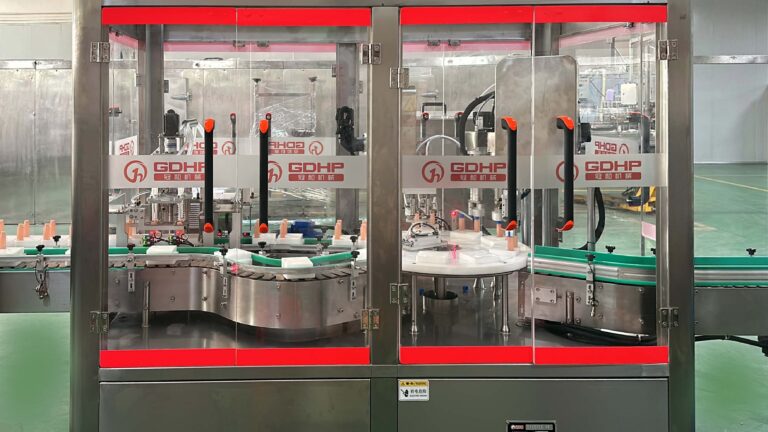
A regional craft distillery approached GDHP seeking to upgrade from a manual bottling process for their 140 Proof bourbon. Their core issues were heavy product give-away (overfilling) and severe safety risks due to alcohol fumes.
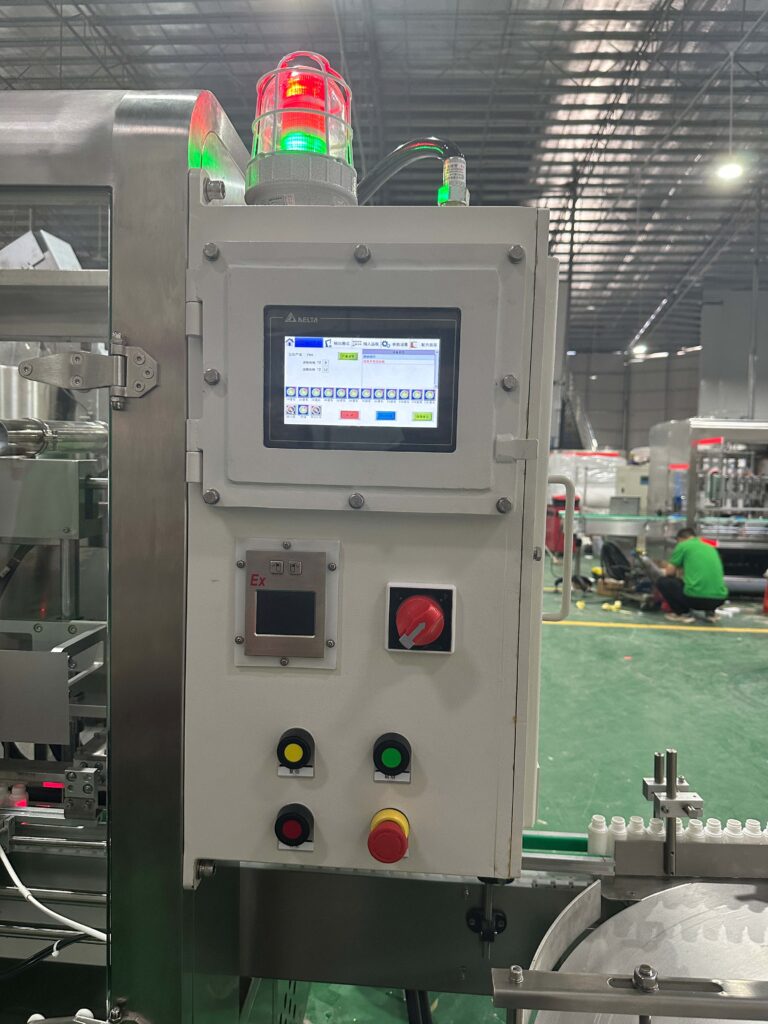
Implementing a volumetric filling system maximizes production efficiency, completely eliminates costly product giveaway, and standardizes your packaging quality.
Here are the six major advantages of upgrading your production line:
Exceptional Accuracy: By relying on mathematical volume rather than visual levels, volumetric fillers minimize profit loss caused by product overfilling. Every single drop saved translates directly to increased revenue.
Increased Speed: When integrated into multi-head automated production lines, these machines significantly boost production capacity, outputting hundreds of bottles per minute.
High Flexibility: Modern volumetric systems allow for rapid, easy volume adjustment. A single machine can accommodate a wide variety of container types and sizes, scaling effortlessly from a 5ml vial to a 5-gallon pail.
Reduced Labor Costs: Fully automated operation minimizes the need for manual operators, allowing you to reallocate your workforce to higher-value quality control tasks.
Easy to Operate: Modern equipment is universally equipped with intuitive Human-Machine Interfaces (HMIs), digital control panels, and PLC recipe memory functions. An operator can switch from filling a 100ml bottle to a 500ml bottle simply by tapping a saved recipe on the screen.
Safe & Hygienic: Engineered with a closed-loop fluid path design, these machines dramatically minimize cross-contamination and protect the product from ambient environmental pollutants.
Compare the purchase price with integration, change parts, installation, and service in our guide to filling machine cost factors.
The successful purchase of a volumetric filler requires a rigorous analysis of your product’s viscosity, your container’s geometric consistency, and your supplier’s after-sales infrastructure.
Avoid expensive capital equipment mistakes by following this engineer-approved buying guide:
Assess Product Viscosity: Viscosity dictates the machine type. For water-like liquids (low Centipoise), choose gravity-fed systems. For highly viscous fluids like thick syrups, cosmetic lotions, or heavy pastes, you must opt for robust piston or positive displacement pump-based systems.
Check Container Consistency: This is a critical point of failure for many buyers. If you are using clear glass bottles with significant internal volume variations (common in craft manufacturing), a volumetric filler will result in unequal liquid levels visually on the shelf. In this specific scenario, you should reconsider using a liquid-level-based filler (overflow filler) rather than a volumetric one to ensure consumer shelf appeal.
Request “Free Lab Testing”: Never buy a machine blind. Experienced manufacturers, such as GDHP, typically allow you to send raw product samples and empty containers directly to our engineering facility for actual machine testing. This guarantees a perfect mechanical match before you spend a dime.
Consider Line Integration Capabilities: Think about the future. Can the machinery supplier also provide seamless downstream solutions for automatic capping, sealing (e.g., crimping or pressing), and precision labeling? Buying an integrated line from one vendor eliminates software communication issues.
After-Sales Support & Spare Parts: A machine is only as good as its uptime. Verify that the manufacturer maintains a massive, domestic inventory of OEM spare parts, provides incredibly clear operation manuals, and offers immediate on-site or telephone technical support.
Before choosing a dosing principle or automation level, use our filling machine buying guide to define product, container, capacity, budget, and acceptance requirements.
Once a supplier is shortlisted, use this FAT checklist for a filling line to verify dosing accuracy, repeatability, throughput, and recovery from faults.
Is there a mismatch between your product and your filling machine? Let us guide you on how to select the right machinery for liquids, pastes, and powders.
Volumetric filling machines are the absolute cornerstone of accurate, efficient, and profitable modern packaging lines.
Whether you are pumping abrasive industrial chemicals into 5-gallon pails, or gently dispensing delicate, high-value cosmetic serums into 15ml glass vials, there is a specific volumetric technology engineered for the task. By understanding the distinct mechanics of piston, pump, and gravity fillers, and by strictly evaluating your product’s viscosity and container type, you ensure a rapid return on investment.
I encourage all production managers and facility owners to prioritize precision and scalability. Make your purchasing decisions based on hard data, physical lab testing, and the robust engineering principles we’ve outlined here at GDHP. If you are ready to eliminate product waste and fully automate your throughput, start by analyzing your fluid dynamics today.
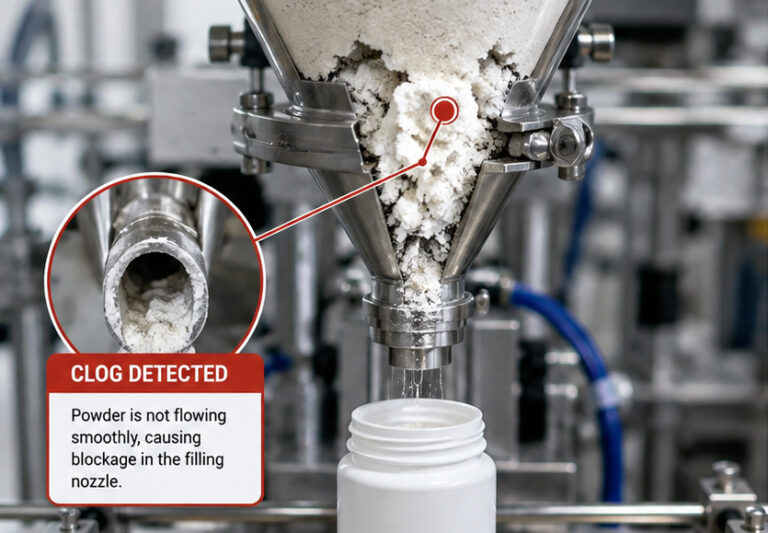
No. Water requires a gravity filler, while thick pastes require the mechanical pushing power of a piston filler. Using a gravity filler for paste will cause clogs, and using a standard piston filler for water can cause splashing and leaking. You must match the machine to the fluid’s viscosity.
Product giveaway refers to the expensive mistake of overfilling a container beyond the stated volume on the label. If your label says “500ml” but your inaccurate machine puts in 515ml, you are giving away 15ml of free product per bottle, which severely damages your profit margins. Volumetric fillers eliminate this.
You need an explosion-proof (Class 1 Division 1) filling machine if you are packaging products with low flash points that create flammable vapors, such as high-proof distilled spirits (like 140 Proof alcohol), acetone, or industrial paint solvents.
A properly calibrated GDHP volumetric piston filler achieves an accuracy rate of +/- 0.1% to 0.5% per fill. This extremely tight tolerance is why they are heavily used in the pharmaceutical and distilled spirits industries.
Mechanically, yes, but visually, no. If you put exactly 50ml into 10 different glass bottles that have slight internal glass thickness variations, the liquid levels will look uneven on the store shelf. Consumers might think some bottles were tampered with. For irregular glass, overflow fillers are visually better.
Modern volumetric fillers are very easy to clean. Equipment built for food and cosmetics features IP65/IP69K washdown ratings and tri-clamp sanitary fittings. This allows operators to quickly disassemble the fluid path without tools, or run “Clean-in-Place” (CIP) hot water and sanitizer directly through the system.
It depends on the specific frame of the machine, but generally, standalone semi-automatic machines are built for tabletop or small-scale use. If you anticipate rapid growth, GDHP engineers recommend purchasing an expandable automatic frame with just 2 nozzles initially, which can easily be upgraded to 4, 6, or 8 nozzles as your business scales.