Piston vs Flow Meter vs Net-Weight Filling for Sauces: Which Dosing Principle Fits?
Compare piston, flow-meter, and net-weight sauce filling by viscosity, particulates, hot-fill conditions, accuracy needs, speed, and sanitation.
September 3, 2026

Online sauce packaging must protect every order from leaks, spoilage, damage, customer complaints, and unnecessary shipping cost. A reliable system combines suitable food-contact materials, clean filling, and secure sealing so sauces remain stable from production through delivery.
A strong sauce packaging solution protects both the product and the customer experience: the sauce arrives clean, sealed, presentable, and ready for use.
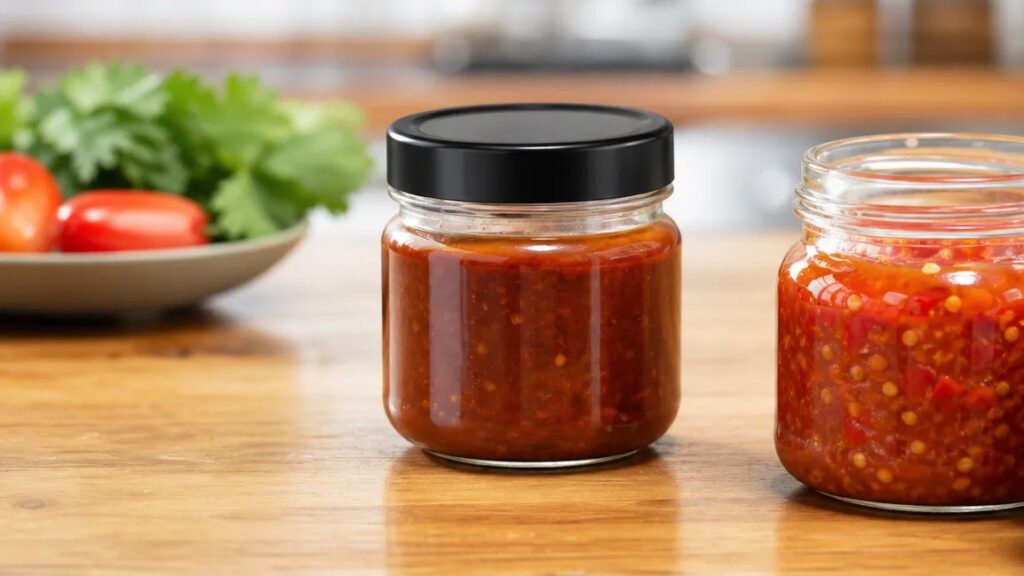
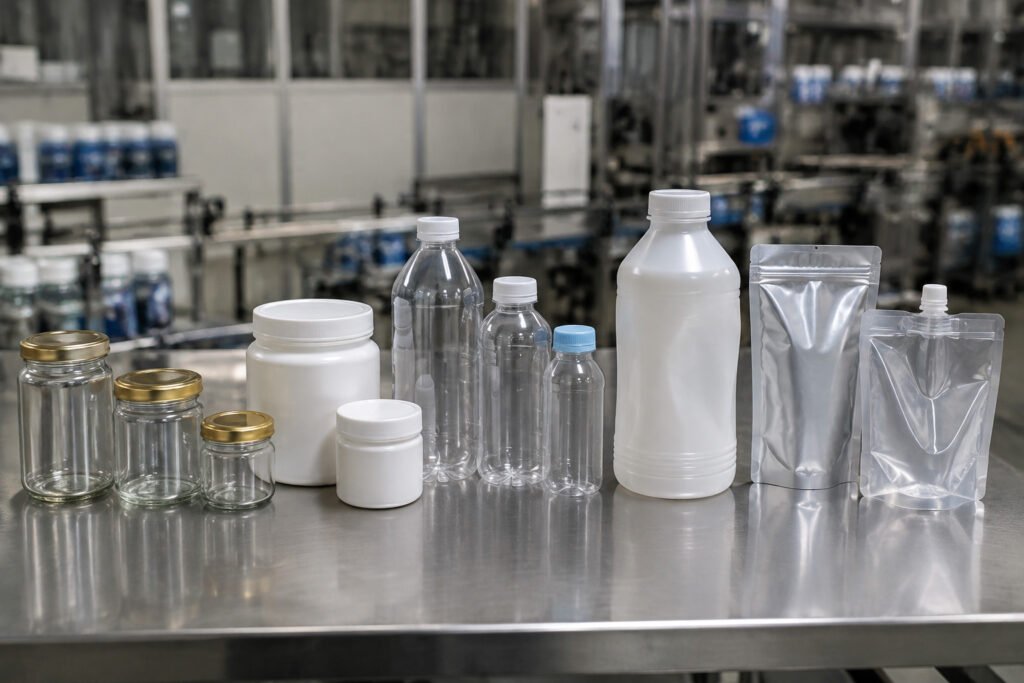
The right sauce packaging materials balance product protection, filling conditions, shipping weight, and shelf presentation. We match the container to the sauce formula, fill method, and delivery risk.
| Material | Best Use | Key Benefits | Watchpoints |
|---|---|---|---|
| Glass jars | Premium sauces, salsas, chutneys, hot-fill products | Chemically stable, premium look, suitable for hot filling | Heavier freight and breakage risk during shipping |
| PP containers | Hot-filled sauces, tubs, and durable online packs | Heat resistant, shatter resistant, lightweight, works with tamper-evident closures | Closure and seal must match the container neck |
| PET and rPET containers | Cold-fill dressings and clear sauces | Clear product display, low weight, efficient for shipping | Best suited to cold-fill use; needs a correctly matched cap and seal |
| HDPE containers | BBQ sauce, condiments, marinades | Strong impact resistance, durable handling, dependable for leak-proof sauce containers | Select liners compatible with oils and the sauce formula |
| Flexible pouches and laminated packs | Refill packs, portion packs, and lightweight shipping | Low freight weight, multi-layer barrier options, compact storage | Require strong heat seals and puncture-resistant structures |
Glass supports a high-quality presentation and stable contact with many sauce formulas. It is commonly selected for hot-fill sauce packaging, but online sellers should account for added transport weight and protective outer packaging.
PP is a practical choice where heat resistance and breakage resistance matter. It can support tamper-evident caps and is well suited to lightweight sauce packaging for eCommerce.
PET and rPET provide a clear, modern presentation that helps customers view the product online and on shelf. For cold-filled sauces, a properly fitted closure is essential to maintain a reliable seal.
HDPE is built for demanding distribution. Its toughness makes it useful for condiments and thicker sauces that need durable, leak-resistant packaging through handling and delivery.
Flexible sauce pouches and laminated packs reduce material use and shipping weight. Multi-layer structures can provide useful barrier performance for refill and single-serve formats, provided the pouch seal is designed for the sauce’s viscosity and handling conditions.
A secure closure protects sauce from leaks, air exposure, and handling damage. The lid must match the container neck, sauce formula, filling method, and intended customer use.
| Lid Type | Best Use | Main Benefit |
|---|---|---|
| Screw caps with liners | Bottles and jars | Reliable resealing when the cap, liner, and neck finish match |
| Induction seal lids | Plastic or glass containers with compatible caps | Hermetic barrier, leak protection, oxygen control, and tamper evidence |
| Lug caps with plastisol liners | Glass jars for hot-fill sauce packaging | Strong jar seal for hot-filled sauces |
| Tamper-evident caps and bands | Retail and online sauce packaging | Shows visible package integrity before opening |
| Foil seal lids and heat-sealed films | Tubs, cups, trays, and portions | Airtight sealing for single-serve and wide-mouth packs |
| Reclosable spouted closures | Flexible sauce pouches | Clean dispensing and practical resealing |
Screw caps are widely used for sauce packaging because they are simple to close and easy for customers to reopen. A good result depends on three details:
For online sales, lined screw caps work best when paired with clean, dry container rims and controlled closure application.
Induction seal lids add a foil barrier beneath the cap. This creates a strong hermetic seal that helps limit leakage and air entry before the customer opens the package.
Key advantages include:
Induction sealing is a practical option for leak-proof sauce containers in glass or compatible plastic formats. The cap, foil seal, container material, and neck finish must be selected as one system.
Lug caps with plastisol liners are commonly used with glass jars, particularly for hot-fill sauce packaging. The liner supports a secure seal when the product is filled and handled under the correct temperature conditions.
This closure type suits sauces packed in glass jars where a firm lid seal and premium presentation are important. Clean jar threads, correct fill conditions, and consistent cap application remain essential.
Tamper-evident caps and bands provide visible proof that a package has not been opened. They support food safety expectations and help build customer confidence in online orders.
For sauce brands, tamper-evident features are most effective when they are combined with a reliable primary seal, such as a lined screw cap or induction foil seal.
Foil seal lids and heat-sealed films are suitable for sauce tubs, cups, trays, and portion packs. They form an airtight top seal and help keep the product contained during storage and delivery.
They are useful for:
The sealing surface must stay free from sauce residue. Even a small amount of product on the rim can weaken the heat seal.
Flexible sauce pouches can use reclosable spouts for cleaner dispensing and repeat use. This format reduces package weight and can support refill packs or larger household portions.
A spouted closure should be matched with a pouch structure that provides suitable seal strength and puncture resistance. For shipping, the pouch seals and closure area need consistent testing to confirm leak resistance.
Choosing which materials and lids ensure a good seal and preserve sauces in packaging for online sales starts with the sauce formula, fill temperature, and shipping demands.
| Sauce Type | Recommended Container | Best Lid or Seal | Key Benefit |
|---|---|---|---|
| Hot sauces | Glass jars, PP, or PET containers | Lug caps or induction seal lids | Handles acidic formulas and supports hot-fill packaging |
| Tomato-based sauces | Glass, PP, or PET | Induction seals or foil seal lids | Helps limit oxygen exposure and protect flavor and color |
| BBQ sauces | Glass jars or HDPE containers | Lined screw caps or induction seals | Supports thicker sauces and improves leak resistance |
| Salad dressings and vinaigrettes | PET, HDPE, or glass | Lined screw caps | Provides dependable resealing for oil-based products |
| Marinades and oil-based sauces | Glass or HDPE containers | Oil-compatible liners with controlled cap torque | Reduces liner damage and closure leaks |
| Thick salsas and chutneys | Wide-mouth glass jars, PP containers, or tubs | Screw caps or foil-sealed lids | Allows easier filling and consumer access to thicker products |
| Single-serve sauces | Laminated sachets, cups, or sealed pouches | Heat-sealed films or pouch closures | Delivers strong seals with lower shipping weight |
For hot sauces, glass with plastisol-lined lug caps is a practical hot-fill option. PP and PET containers can also work with induction seal lids when the container, neck finish, cap, and sealing process are matched correctly.
Tomato sauces benefit from glass, PP, or PET paired with induction seals or foil lids. These oxygen barrier packaging options help protect the sauce from air exposure during storage and delivery.
For thick BBQ sauces, glass or HDPE containers with lined screw caps provide reliable closure performance. An induction seal can add another protective layer for leak-proof sauce containers shipped through e-commerce channels.
Salad dressings, vinaigrettes, and marinades need closures that remain compatible with oils. PET, HDPE, or glass containers with appropriate lined screw caps support repeated opening while maintaining a dependable seal.
Thick salsas and chutneys often require wide-mouth packaging. Glass jars, PP containers, and foil-sealed tubs provide practical access while helping maintain package integrity. For single portions, laminated sachets, sealed cups, and flexible sauce pouches offer high seal strength and efficient shipping.
For sauce packaging for online sales, the package must protect product quality as well as prevent leaks. We match the container, liner, and seal system to the sauce formula, especially where oil, acidity, natural color, or sensitive flavors are involved.
A strong sauce seal depends on the full package system: container material, barrier level, liner compatibility, clean sealing surfaces, and the right capping or heat-sealing process.
For sauce packaging for online sales, the filling method and closure process must work together. A strong container and lid can still fail when the product is filled at the wrong temperature, residue remains on the rim, or cap torque is inconsistent.
Hot-fill sauce packaging needs containers, lids, and liners that can handle the filling temperature and the pressure changes that occur during cooling. Heat-insulated mixing and filling equipment helps maintain product consistency before filling.
Cold-filled sauces need equally careful package selection. The container and closure should support the required shelf-stability process and provide reliable protection against leakage and contamination.
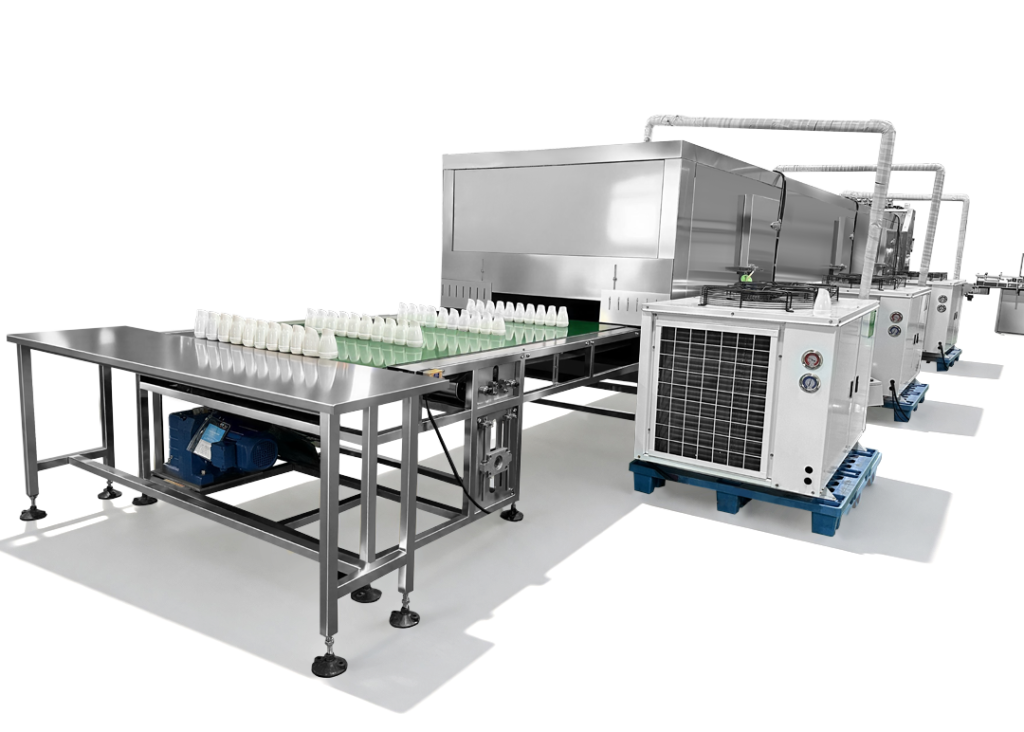
Sauce on the container neck, threads, or sealing rim can weaken the closure. Thick, stringy, or sticky sauces are especially likely to leave residue behind.
We use smooth filling systems with anti-drip nozzles to help keep contact surfaces clean. A clean rim allows foil seals, liners, and caps to make full contact with the package.
Cap torque must be consistent across every container. Too little torque can leave a loose cap and create leaks during shipping. Too much torque can damage threads, crush a liner, or make the package difficult to open.
Automatic capping equipment helps apply repeatable closure pressure for screw caps, tamper-evident caps, and other food packaging closures.
Correct headspace gives the sauce room to respond to temperature changes without stressing the seal. After hot filling, controlled cooling helps stabilize internal pressure and supports seal integrity.
Key takeaway: Reliable leak-proof sauce containers depend on clean filling, compatible lids, controlled cap torque, and stable cooling conditions. These details protect the hermetic seal packaging needed for storage and e-commerce delivery.
For sauce packaging for online sales, the pack must stay sealed through drops, vibration, stacking pressure, and package inversion. A strong closure system protects product quality, avoids damaged deliveries, and helps control replacement costs.
| Requirement | Practical Packaging Focus |
|---|---|
| Shipping durability | Test filled packs for drops, vibration, compression, and upside-down handling. |
| Shatter resistance | Use PP, HDPE, PET, or flexible packs where high-volume shipping makes breakage a concern. |
| Leak prevention | Combine clean container rims, secure caps, compatible liners, and induction or foil seals. |
| Tamper evidence | Use tamper-evident caps, bands, or sealed films to show clear package integrity. |
| Freight efficiency | Select lightweight containers and right-sized secondary packaging to reduce shipping weight. |
| Online shelf appeal | Use clear labels, clean fills, consistent closures, and packaging that photographs well. |
We recommend testing leak-proof sauce containers under the conditions they will face in transit:
A package that looks good but leaks under transit pressure creates customer complaints and unnecessary returns.
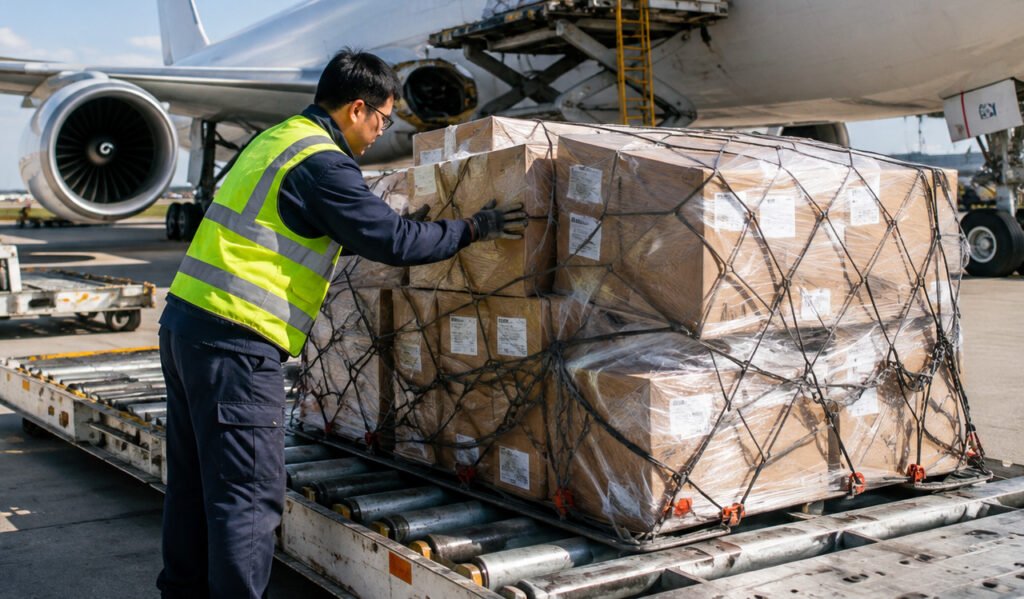
Glass jars offer a premium presentation, but they need careful secondary packaging for online fulfilment. For frequent shipments or higher order volumes, PP, HDPE, and PET containers can reduce breakage risk and freight weight.
| Packaging Material | E-Commerce Benefit |
|---|---|
| Glass | Premium appearance and stable product contact; needs stronger transit protection. |
| PP | Lightweight, heat-resistant, and shatter-resistant. |
| PET | Clear product visibility with low shipping weight; requires a suitable closure system. |
| HDPE | Durable, impact-resistant, and practical for condiment shipping. |
| Flexible pouches | Low freight weight and compact storage; require strong puncture-resistant seals. |
Tamper-evident caps, shrink bands, induction seals, and foil seal lids provide visible proof that the sauce pack has remained closed. These features support food safety expectations and give online customers confidence when they open a delivered order.
A secure sauce package should show both: a reliable primary seal and clear evidence of package integrity.
Cost-efficient sauce packaging balances container weight, protective strength, and product appearance. Lightweight plastic containers and flexible sauce pouches can lower freight costs, while glass can support premium positioning when shipping protection is adequate.
For online product images, use packaging with:
Reliable sauce packaging materials and food packaging closures protect the sauce, reduce delivery issues, and present the product professionally from fulfilment through customer delivery.
The most expensive failures in sauce packaging for online sales usually begin with a poor match between the sauce, container, and closure.
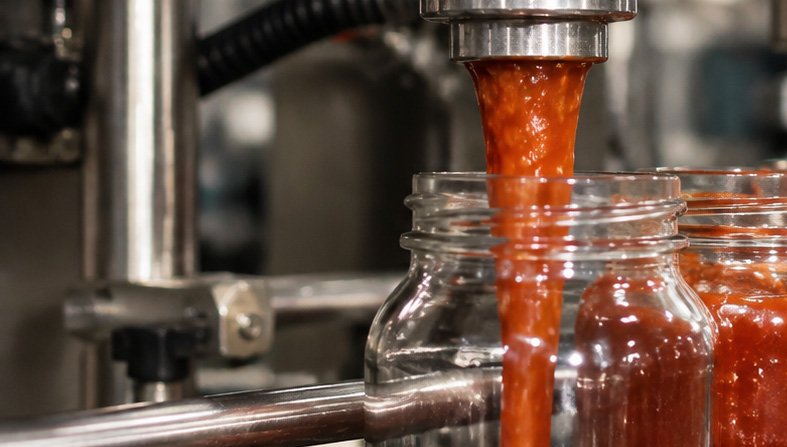
For online sales, choose sauce packaging by matching the sauce formula, closure, and shipping conditions. A package that looks good but leaks, breaks, or loses seal strength in transit creates avoidable refunds and customer complaints.
| What to Check | Packaging Decision |
|---|---|
| Acidity and oil content | Use container and liner materials suited to the formula to support seal reliability. |
| Viscosity and particulates | Select a neck opening and filling method that handle thick sauces, chunks, and clean rim filling. |
| Fill temperature | Match glass, PP, PET, or HDPE containers and lids to hot-fill or cold-fill requirements. |
| Order volume and shipping route | Balance container weight, impact resistance, and freight cost for the delivery channel. |
| Product use | Choose reclosable caps for repeat use or foil-sealed cups and pouches for single portions. |
For leak-proof sauce containers, select lids based on the container neck finish and the protection needed:
We recommend validating sauce packaging under actual storage and shipping conditions before full production. Test:
The right sauce packaging for eCommerce combines formula-compatible materials, a clean airtight seal, and proven delivery durability.
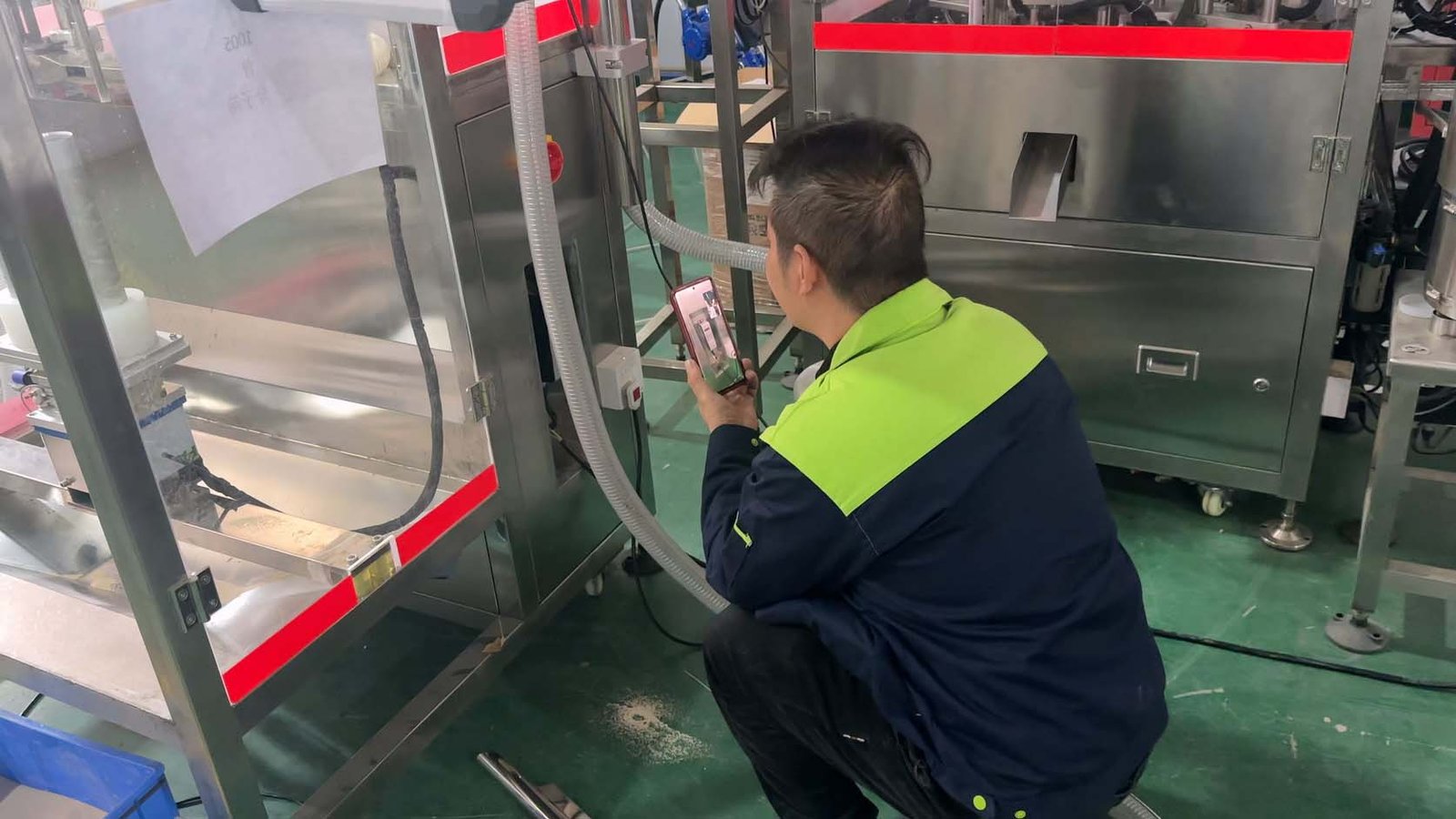
The right sauce packaging materials depend on the business priority: premium presentation, leak-proof delivery, lower freight cost, or stronger preservation.
| Business Goal | Recommended Packaging | Closure and Seal |
|---|---|---|
| Premium sauce branding | Glass jars for a clean, high-value presentation | Quality screw or lug caps with tamper-evident features |
| Leak-proof e-commerce shipping | PP, HDPE, or PET containers for lighter, shatter-resistant transport | Induction seal lids with secure caps for added leak protection |
| Lower shipping costs | Lightweight plastic sauce jars, flexible pouches, or laminated packs | Heat-sealed films, foil seals, or reclosable spouts where suitable |
| Longer shelf-life preservation | High-barrier containers, laminated packs, or suitable rigid packaging | Airtight or hermetic seal packaging to limit oxygen and moisture exposure |
Premium brands often choose glass jars because they support a polished shelf image and work well with tamper-evident caps. For online sales with higher handling risk, PP, HDPE, and PET offer practical shatter resistance when paired with induction seals and correctly applied caps.
For lower freight weight, flexible sauce pouches and laminated packs reduce material use while maintaining useful barrier performance. Where freshness protection is the main priority, combine high-barrier packaging with airtight foil seals or hermetic sealing systems to help protect sauce quality through storage and delivery.
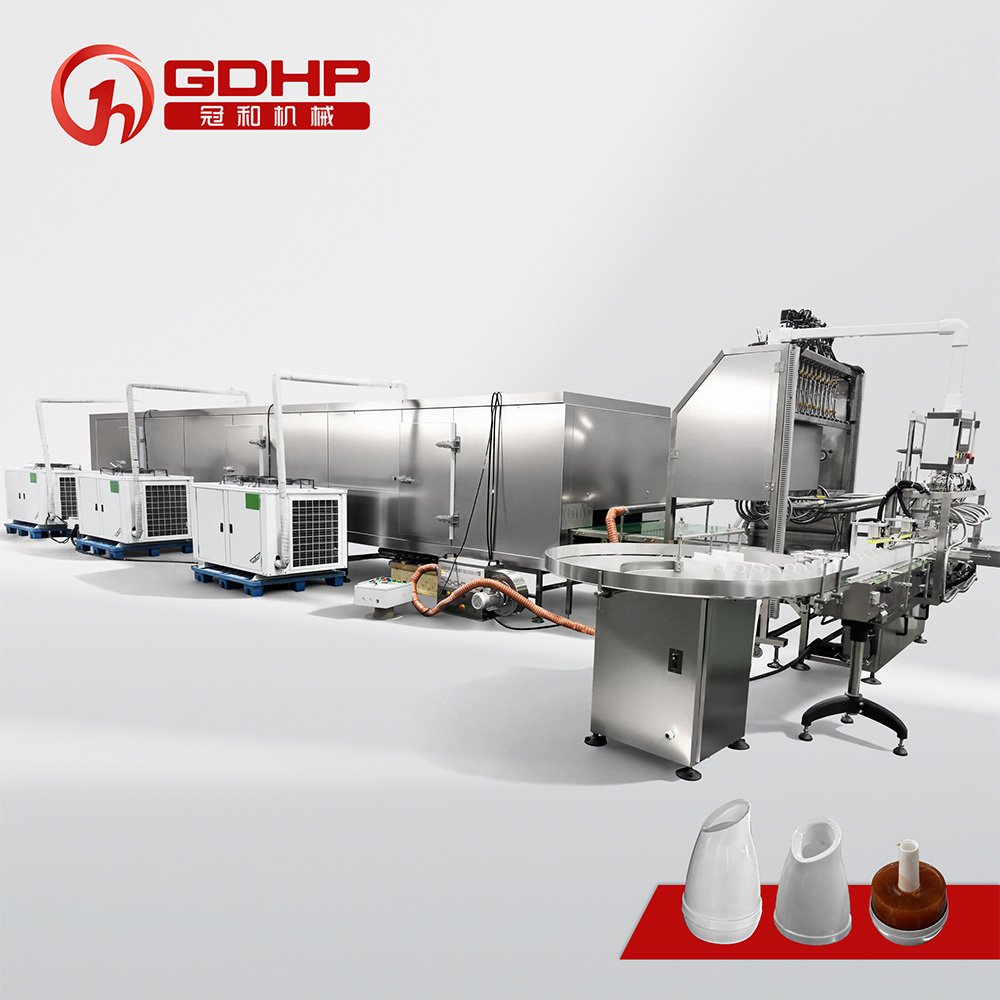
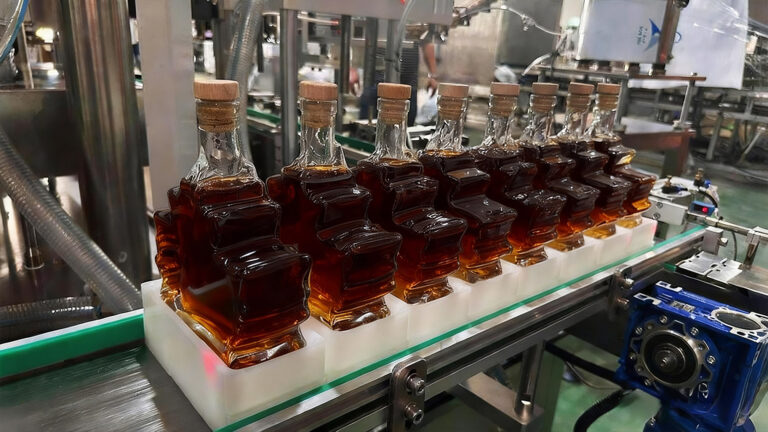
Reliable sauce packaging for online sales depends on a connected filling, sealing, capping, and end-of-line system. GDHP integrate each stage to keep containers clean, closures consistent, and finished packs ready for storage and shipping.
| Production Stage | Equipment Support | Packaging Benefit |
|---|---|---|
| Product preparation | Mixing tanks and pre-treatment equipment | Supports consistent sauce handling before filling |
| Sauce filling | Liquid, paste, cream, hot-fill, and cooling-fill equipment | Matches filling method to sauce viscosity and temperature |
| Container sealing | Aluminum foil sealing, film sealing, can sealing, and heat sealing equipment | Helps create clean, secure seals |
| Capping | Automatic and semi-automatic capping machines | Supports consistent closure application |
| End-of-line packing | Labeling, coding, cartoning, shrink wrapping, case packing, and palletizing | Prepares products for organized shipment |
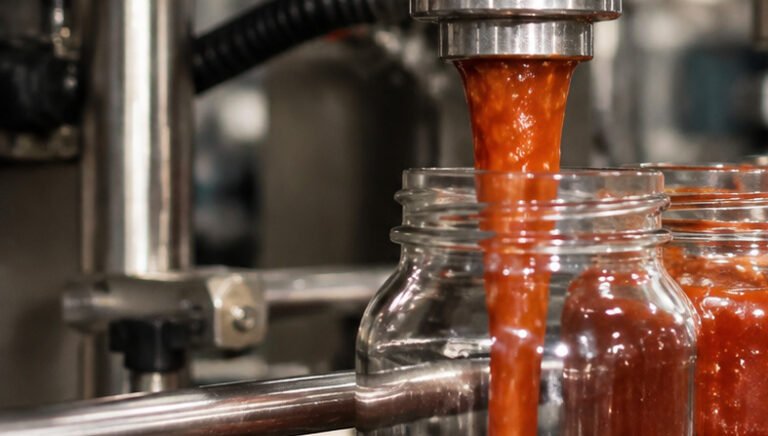
Different sauces require different filling and closure arrangements. Thick sauces may need piston filling and anti-drip nozzles, while hot-filled products need temperature-resistant filling mechanisms and suitable cooling support. GDHP design custom equipment around:
Before production, GDHP provide free sample evaluation and custom scheme design to confirm the suitable filling, sealing, and capping process. Our support can include 3D factory layout planning, equipment installation guidance, staff technical training, and package line testing.
With turnkey sauce packaging equipment, brands can build a practical system for accurate filling, dependable sealing, and efficient online order fulfillment.