Not Sure Which PLC to Choose? Siemens PLC Review
Review of Siemens PLC covers SIMATIC S7 1200 G2 S7 1500V TIA Portal Profinet and PCS neo for industrial automation…
May 4, 2026

Pillow packaging preserves food freshness by controlling the product’s exposure to oxygen, moisture, light, and physical damage. Film structure, sealing conditions, gas composition, storage temperature, and target shelf life must all be matched to the product. When these factors are properly specified and validated, pillow packs can help maintain flavor, aroma, texture, appearance, and overall product quality throughout distribution.

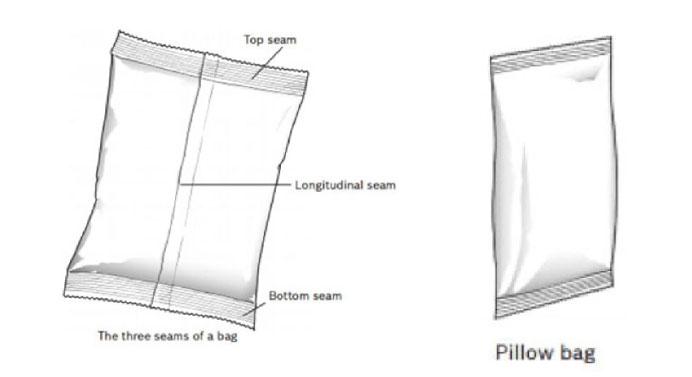
A pillow pack is a flexible package made from a continuous roll of film. The film is formed around the product and closed with one longitudinal seal and two transverse end seals. Once filled, the pack has the rounded shape of a pillow.
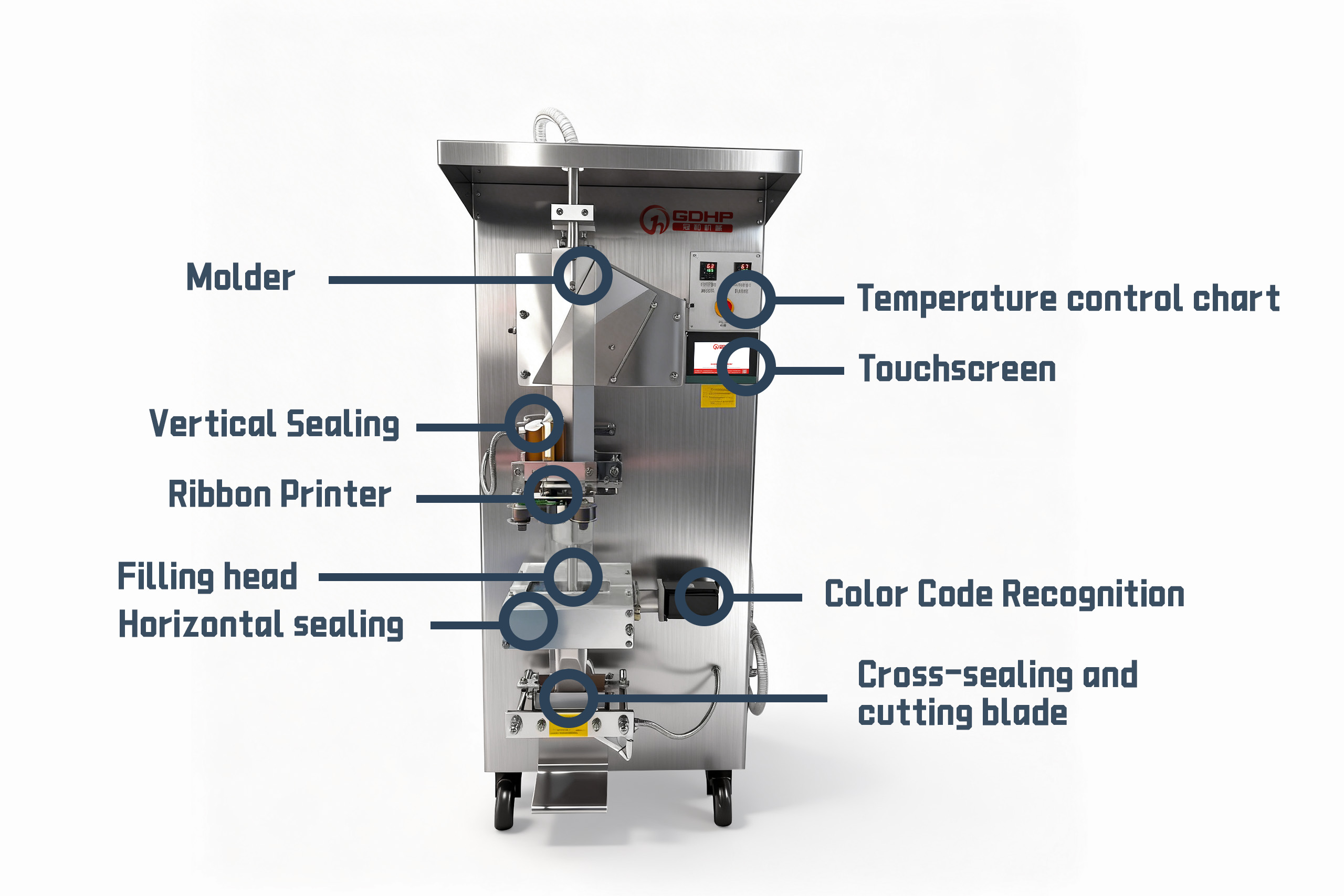
Pillow packs are commonly produced on: Vertical form-fill-seal (VFFS) machines, which typically use gravity to fill loose products such as chips, nuts, candy, powders, and frozen pieces. Horizontal form-fill-seal (HFFS) machines, often called flow wrappers, which convey individual products such as biscuits, bars, bakery items, and tray-packed foods horizontally through the wrapping process.
The package format itself does not guarantee a particular shelf life. Protection comes from the complete packaging system: the film, seals, headspace gas, machinery settings, hygiene controls, and storage conditions.
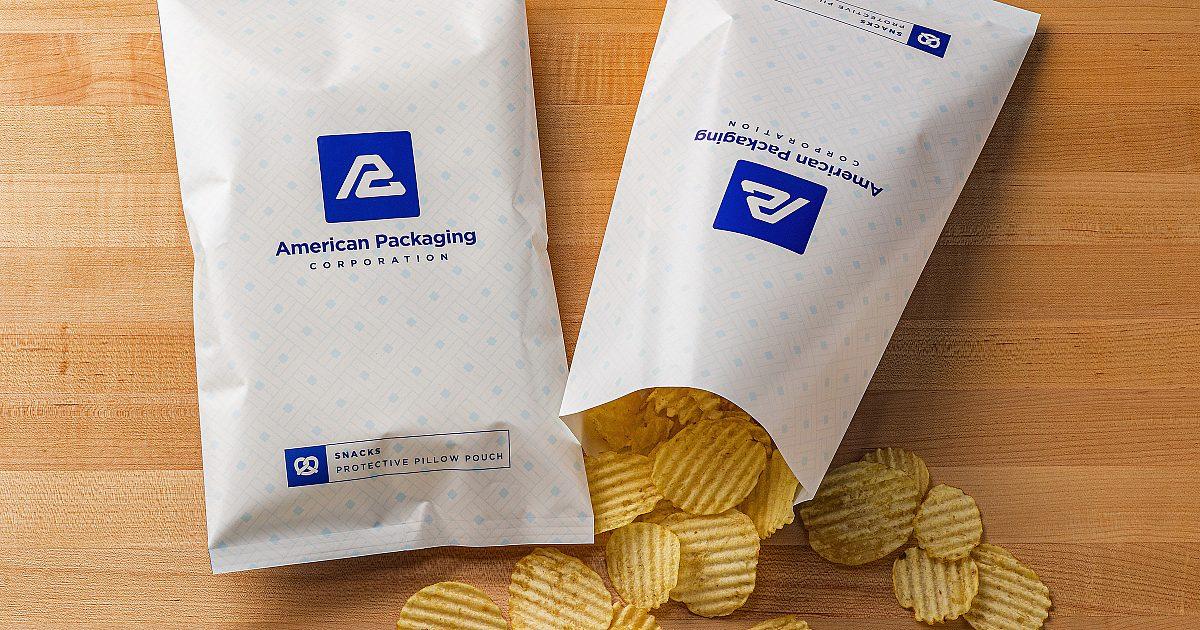
A typical pillow pouch has three sealed areas:
When the film and sealing process are compatible, these seals reduce the entry of oxygen and water vapor and help prevent product leakage. This is especially important for foods that lose crispness in humid conditions or develop rancid flavors when fats react with oxygen.
Seal quality depends on temperature, pressure, contact time, jaw alignment, film tension, and seal-area cleanliness. Crumbs, powder, oil, or product fragments trapped in a seal can create channels that allow gas or moisture to pass through. For this reason, an “airtight” or “hermetic” claim should be supported by package-integrity testing rather than assumed from appearance alone.
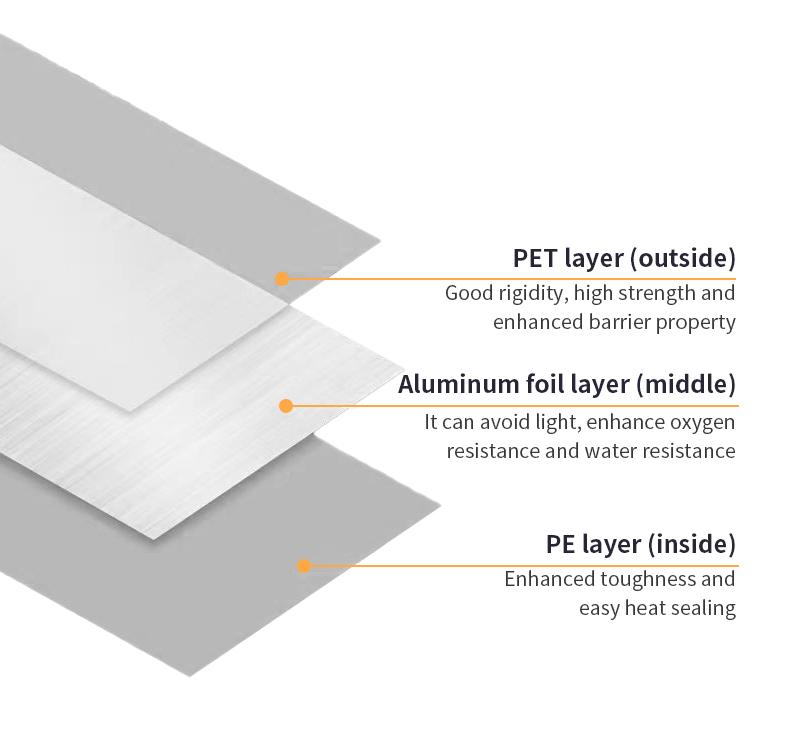
Flexible packaging films are often built from multiple layers because one material rarely provides every required property. A laminate may combine:
Two specifications are particularly important:
Lower values generally indicate stronger barrier performance, but published values are meaningful only when the test temperature and humidity are stated. Real-package performance can also be affected by folds, pinholes, seals, printing, converting, and distribution damage.
Modified atmosphere packaging (MAP) replaces some or most of the air inside a pouch with a selected food-grade gas or gas mixture. For many dry snacks, nitrogen flushing is used to reduce oxygen in the headspace. Lower oxygen levels can slow fat oxidation, help protect sensitive flavors, and reduce conditions favorable to some aerobic spoilage organisms.
Other foods may require carbon dioxide, nitrogen, oxygen, or a product-specific blend. The correct gas mixture depends on the food’s composition, water activity, natural respiration, spoilage risks, storage temperature, and intended shelf life.
MAP is a preservation aid, not a sterilization process. It does not eliminate all microorganisms, and it cannot replace hygienic production, temperature control, an effective food-safety plan, or validated storage instructions. Residual-oxygen targets should be established for each product and process; a universal target such as “below 1%” is not appropriate for every application.
For chips, crackers, and other fragile foods, the gas-filled headspace creates a cushion that can reduce crushing during handling and transport. This space also helps keep the film away from sharp product edges that might puncture the package.
The pack should not simply contain as much gas as possible. Too little headspace may provide inadequate protection, while too much can increase package size, transport volume, and seal stress. Fill weight, bag dimensions, gas flow, and case-packing conditions should be evaluated together.
The following examples are common starting points, not universal specifications. The final structure should be selected through product trials, regulatory review, and shelf-life testing.
| Food Category | Main Risks | Common Film Approach | Important Considerations |
|---|---|---|---|
| Chips and dry snacks | Moisture uptake, oxidation, light, crushing | BOPP-, metallized BOPP-, or metallized PET-based laminates with a compatible sealant layer | Moisture barrier, oxygen barrier, light protection, and enough headspace for cushioning |
| Nuts | Oxidative rancidity, aroma loss, moisture | High-barrier metallized or foil laminate | OTR, WVTR, light barrier, seal integrity, and residual oxygen |
| Roasted coffee | Oxygen, aroma loss, light, carbon-dioxide release | High-barrier laminate, sometimes with a one-way degassing valve | Coffee type, roast date, degassing rate, and valve performance |
| Biscuits and bakery snacks | Moisture change, oxidation, breakage | BOPP/CPP, BOPP/PE, or higher-barrier laminate when required | Product moisture, fat content, tray use, and mechanical protection |
| Frozen foods | Puncture, seal failure, freezer damage, moisture loss | Tough PE-based or PA/PE structures | Impact resistance and seal performance at low temperatures |
| Chilled or highly perishable foods | Microbial growth, oxidation, moisture change | Product-specific barrier film and, where appropriate, a validated MAP system | Strict hygiene, cold-chain control, gas safety assessment, and microbiological validation |
Neither VFFS nor HFFS is automatically better at preserving food. Both can produce effective pillow packs when the equipment, film, and process settings are suitable for the product. The main difference is how the product enters the package. For more details, please refer to the article: VFFS vs HFFS.
| Feature | VFFS | HFFS / Flow Wrapping |
|---|---|---|
| Product movement | Usually drops vertically through a forming tube | Travels horizontally on a belt or infeed chain |
| Typical products | Chips, nuts, candy, powders, granules, frozen pieces | Biscuits, bars, bakery products, produce, and tray-packed items |
| Space requirement | Typically a compact vertical footprint | Typically a longer horizontal footprint |
| Handling advantage | Efficient dosing of free-flowing products | Controlled handling and orientation of individual products |
| Freshness priority | Clean seals despite product dust, crumbs, or product bounce | Consistent seal placement, film tracking, and product spacing |
The best system is the one that handles the product without unnecessary damage and repeatedly forms seals within the validated process window. Output speed matters, but it should not come at the expense of seal cleanliness, gas-flush performance, or package integrity.
A professional packaging specification should be based on measurable performance rather than film thickness or appearance alone. A validation program may include:
Commonly referenced test methods include ASTM F88/F88M for seal strength, ASTM D3078 or ASTM F2338 for selected leak-testing applications, ASTM D3985 for oxygen transmission, and ASTM F1249 for water-vapor transmission. We support sample testing, and the methods and acceptance criteria should be selected by qualified packaging and food safety personnel based on the specific application.
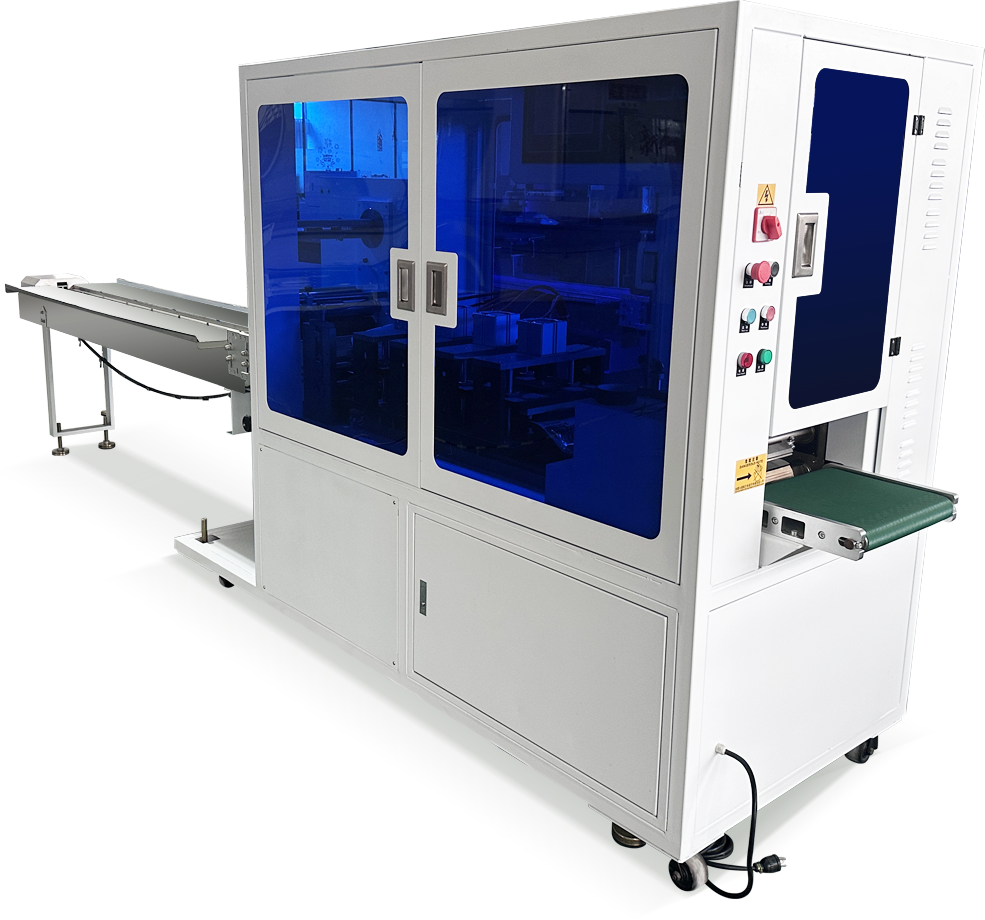
At GDHP, we do not select a pillow-packaging machine from speed or bag appearance alone. Before recommending a VFFS, HFFS, flow-wrapping, or integrated MAP solution, our engineering team reviews the product, packaging materials, production targets, and operating environment together. This approach helps customers invest in a machine that is suitable for their product and practical for their plant.
During the pre-sales assessment, GDHP typically considers:
Where practical, GDHP carries out trials with the customer’s actual product and production-intent film. We review filling accuracy, product handling, film tracking, sealing performance, line speed, gas flushing, and finished-pack appearance. An empty-bag seal test alone cannot show how a package will perform during real filling, sealing, transport, and storage.
Based on the available product data and trial results, GDHP can recommend an appropriate machine configuration, options, and line layout for the customer’s stated requirements. This collaborative process gives customers a clearer basis for comparing equipment and planning a reliable pillow-packaging line.
For a detailed example of matching product behavior, package format, filling, and sealing equipment, see our ketchup packaging machinery guide.
Pillow packaging helps preserve freshness by limiting oxygen and moisture exposure, providing a barrier to light where needed, retaining a controlled headspace atmosphere, and protecting the food from physical damage. Results depend on the film, seal quality, gas composition, product characteristics, and storage conditions.
They can achieve a high level of package integrity, but airtightness should not be assumed. The film may transmit small amounts of gas or water vapor, and seals can contain defects. The finished package must be tested against application-specific requirements.
No. Nitrogen flushing can reduce oxygen and slow certain quality changes, but it does not sterilize food or control every pathogen. Good manufacturing practices, hazard controls, sanitation, and temperature management remain essential.
There is no universal extension period. Shelf life varies with the food formulation, initial microbial load, processing method, film barrier, residual oxygen, seal integrity, and storage environment. It should be established through a product-specific shelf-life study.
Aluminum foil laminates generally provide very strong barriers to oxygen, moisture, and light, while metallized films and EVOH-based structures can deliver high performance with different cost, transparency, processing, and recycling trade-offs. The best choice is the structure that meets the validated protection requirements of the product.
Some pillow packs can use recyclable mono-material structures, depending on local collection and recycling systems. However, changing from a multi-material laminate to a mono-material film may affect barrier, stiffness, machinability, and seal performance. The redesigned package should therefore be revalidated for both product protection and production reliability.