How to Choose a Filling Machine for Your Product and Production Volume
Compare filling machines for liquids, pastes and powders. Match product, container, capacity and accuracy, then use the testing checklist before…
May 11, 2026

Filling machines are used far beyond food and beverages. They can dose cosmetics, pharmaceuticals, IVD reagents, household chemicals, lubricants, pesticides, powders, granules and other industrial products. The correct filling method depends on viscosity, foaming behavior, chemical compatibility, container design, target accuracy and hazardous-area requirements.

While food and beverage packaging commands significant market volume, specialized filling machines are equally essential across high-precision, heavy industrial, and consumer goods sectors. We engineer liquid filling equipment, powder fillers, and specialized dosing systems designed to meet rigorous chemical compatibility, explosion-proof standards, and cGMP compliance across non-food industries.
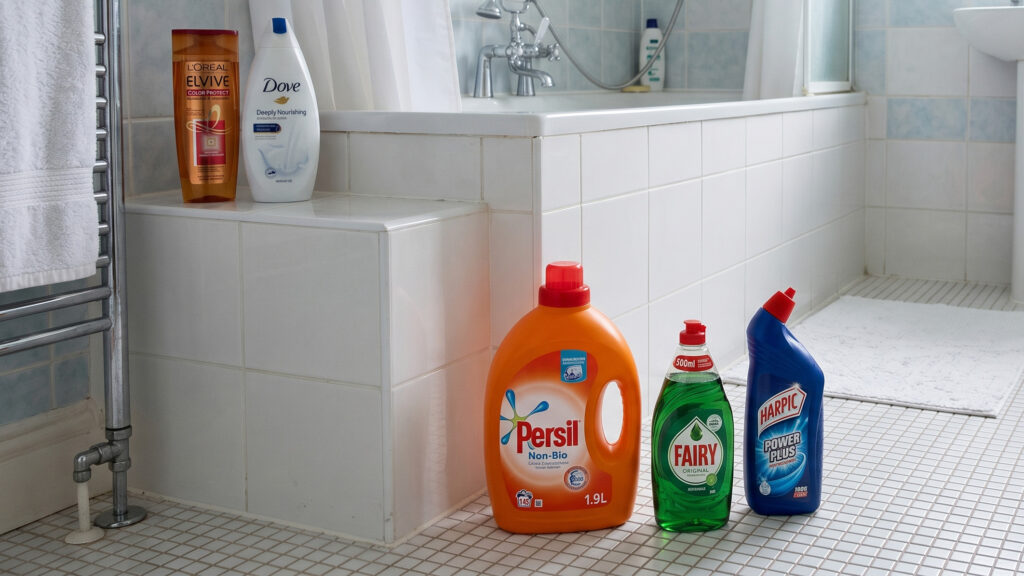
Household and personal care packaging lines must accommodate fluids ranging from free-flowing liquids to high-viscosity pastes across diverse container shapes. Liquid Cleansers: Liquid laundry detergents, shampoos, and body washes processed using gravity or volumetric piston fillers equipped with anti-drip filling nozzles. Viscous Cosmetics: Creams, lotions, and conditioners moved via positive displacement pumps and viscous paste fillers. Volatile Fine Fragrance: Liquid perfumes and alcohol-based toners filled with precise volumetric accuracy to prevent splashback and product loss.
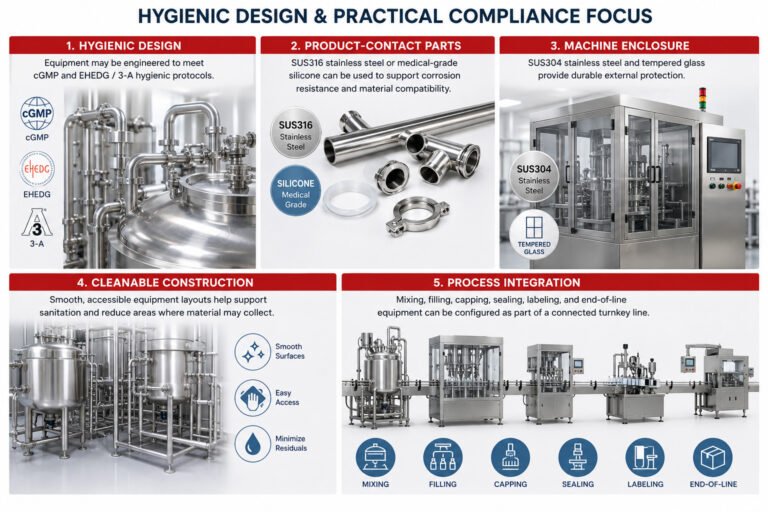
Pharmaceutical filling systems may operate in controlled or cleanroom environments depending on the product and process. Equipment should meet the applicable cGMP requirements, while product-contact materials must be compatible with the formulation and cleaning agents. Oral & Topical Liquids: Cough syrups and oral drops handled via sanitary SUS316 stainless steel fluid pathways. Topical Ointments: Medicated gels and ointments packaged via heated piston filler systems. Sterile Liquids & Encapsulation: Precision sterile liquid filling alongside high-speed hard-gel capsule filling.
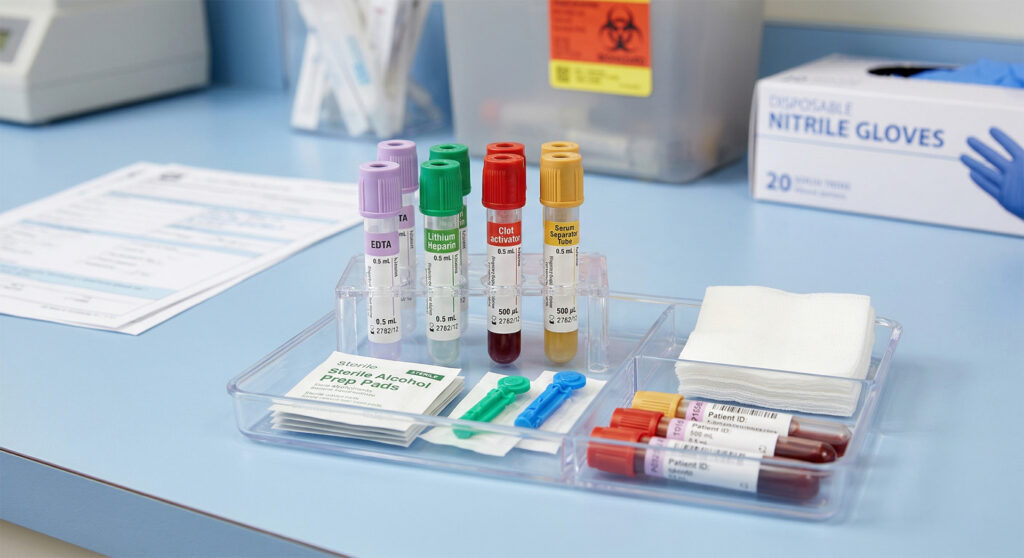
High-value diagnostic liquids demand ultra-precise micro-dosing systems with minimize cross-contamination risks. Reagent Solutions: In vitro diagnostics (IVD) micro-filling for antigen reagents, blood collection tubes, PCR buffers, and enzyme solutions. Small Vials: Automated dispensing into test tube solutions, cryovials, and micro-vials utilizing ceramic or peristaltic pump technology.
Packaging aggressive, flammable, or toxic fluids requires dedicated hazardous chemical filling engineering to ensure operator safety and equipment longevity. Corrosive Liquids: Acids, bleaches, and aggressive solvents packaged with non-metallic contact parts, titanium valves, or specialized anti-corrosive coatings. Flammable Media: Paints, thinners, and industrial solvents filled using explosion-proof filling system setups (ATEX/IECEx compliant). Petrochemicals & Agrochemicals: Motor oils, lubricants, and liquid pesticides filled via high-capacity, heavy-duty machinery.
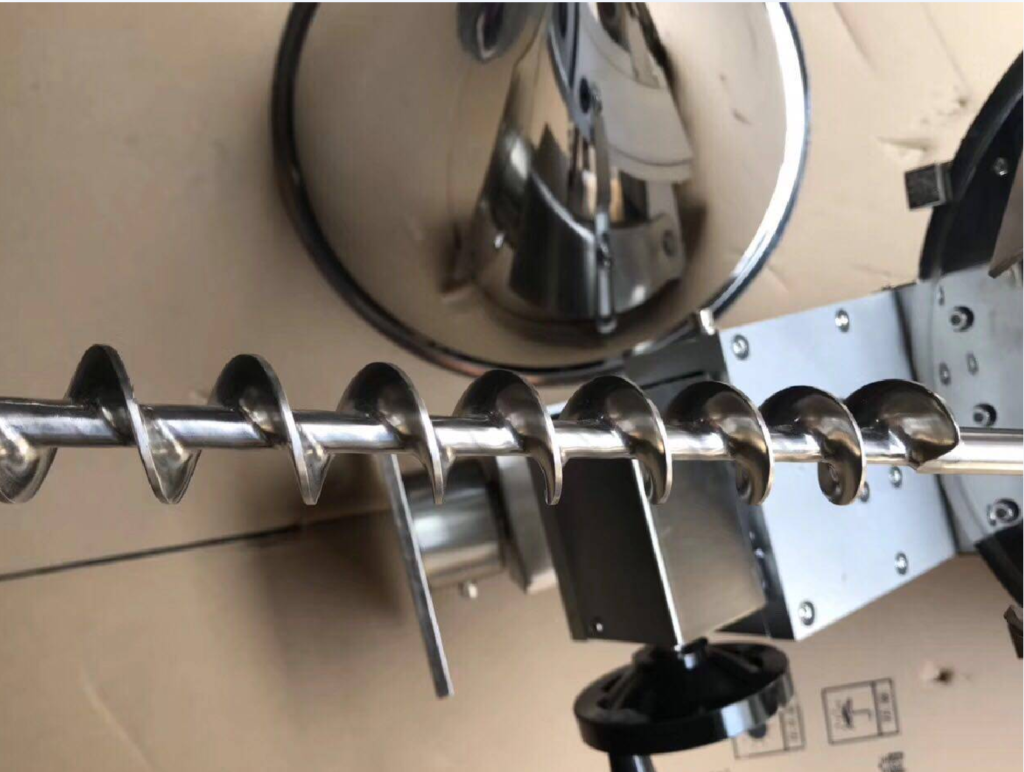
Non-food filling applications extend into dry powders, granules, and synthetic materials requiring tight dust control and mass accuracy. Agricultural Media: Fine pesticide powders and granular agricultural chemicals using a sealed powder auger filling machine. Industrial Dry Goods: Powdered detergents, specialty resins, dry pigments, and industrial catalysts packaged in rigid containers or flexible pouches.
Dry chemicals and pharmaceutical powders require a separate approach to powder filling machine selection, including flow behavior, dust containment, and explosion protection.
Different non-food products present unique challenges on the production line, from high centipoise (cP) gels to volatile liquids. We engineer specialized liquid filling equipment tailored precisely to the fluid dynamics, density, and thermal behavior of your product.
For a broader equipment-selection framework, see our guide to choosing a filling machine to define material behavior, container requirements, capacity, automation, budget, and FAT criteria.
Heavy pastes, waxes, industrial resins, and thick cosmetic creams require positive displacement to maintain accurate dosing volumes:
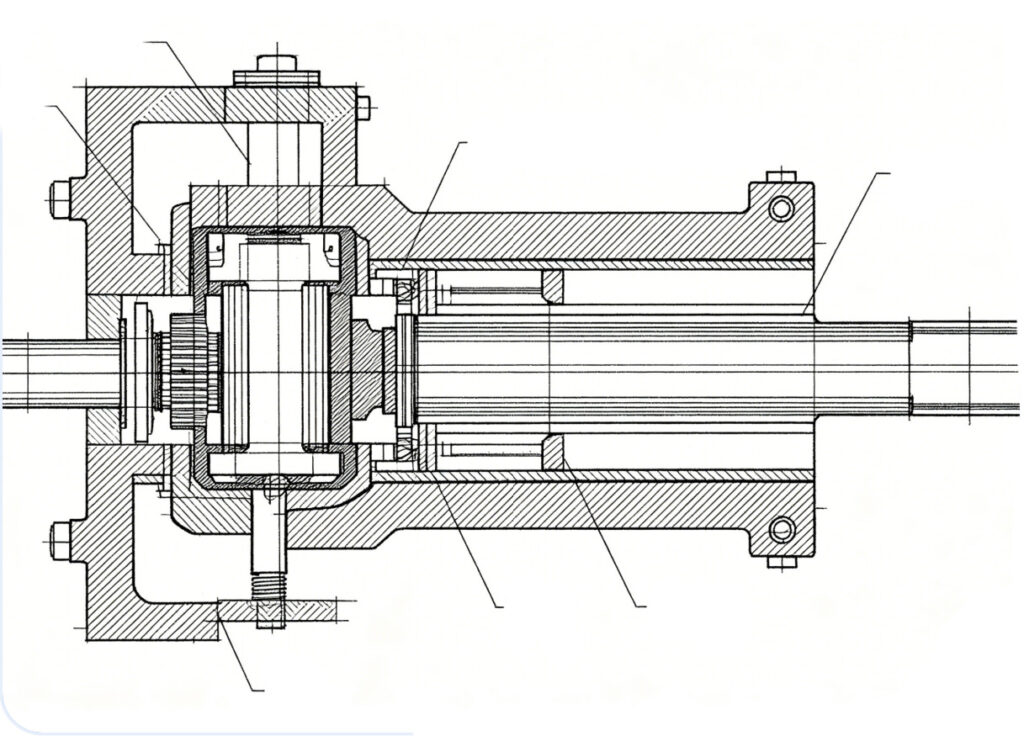
Water-thin chemicals, solvents, and foaming surface cleaners behave unpredictably under pressure. We stabilize these lines using specific volumetric and overflow filling equipment:
Dry non-food materials, diagnostic reagents, and solid dosages require dedicated mechanical handling rather than standard fluid pumps:
| Product State | Physical Property Example | Ideal Filling Mechanism | Key Machine Adaptation |
|---|---|---|---|
| High-Viscosity / Thermal | Pastes, waxes, resins (> 10,000 cP) | Servo Piston Filler | Heated jacketed hoppers, positive displacement |
| Low-Viscosity / Foamy | Cleaners, solvents, alcohols (< 100 cP) | Gravity / Overflow Filler | Submerged diving nozzles, cosmetic level fill |
| Powders & Granules | Resins, agrochemicals, reagents | Powder Auger / Capsule Filler | Sealed dust collection, micro-volumetric dosing |
Selecting the right liquid filling equipment for non-food applications requires a rigorous evaluation of chemical aggressiveness, plant environment, and automation targets. Our engineering teams rely on this four-part checklist to specify precise, reliable packaging architectures.
Chemical compatibility depends on fluid concentration, operating temperature, exposure time, and the complete wetted-parts assembly, including seals and gaskets. A Chemical Compatibility Database can support preliminary material selection, but final compatibility should be verified through supplier confirmation and product testing. Matching product chemistry to contact parts prevents component degradation, downtime, and fluid contamination.
| Contact Material | Chemical Resistance Profile | Typical Non-Food Applications |
|---|---|---|
| SUS304 Stainless Steel | Mild non-corrosive liquids, neutral aqueous solutions | Household detergent, liquid soap, general cleaners |
| SUS316 / SUS316L | Weak acids, saline solutions, organic solvents | Pharmaceutical dosing, IVD reagents, lotions |
| PTFE / Ceramic / Hastelloy | Concentrated acids, aggressive solvents, strong oxidizers | Industrial chemicals, pesticides, corrosive strippers |
Non-food packaging systems must meet strict international standards based on fluid volatility and hygienic demands:
Balancing target production rates—measured in units-per-minute (UPM)—against available plant square footage ensures smooth operational flow:
Our liquid filling equipment integrates directly into full packaging lines, linking upstream and downstream equipment into a unified, synchronized workflow:
For a material-focused comparison, see our guide to matching liquids, pastes, and powders to filling technology.
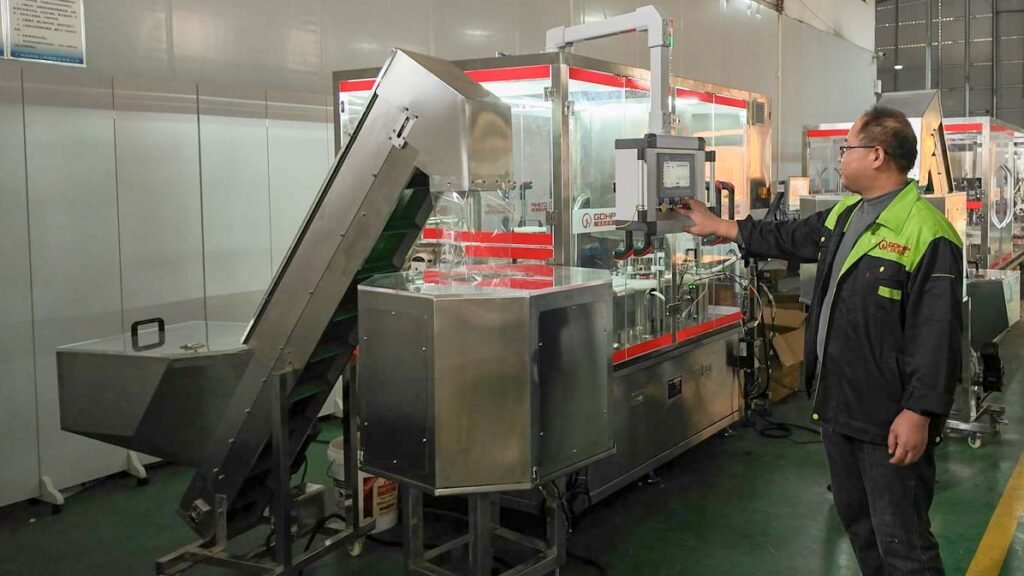
Standard off-the-shelf equipment rarely satisfies specialized non-food production lines. GDHP design custom-engineered filling machines tailored specifically to your container geometries, product viscosity, and factory throughput requirements.
Irregular container shapes and aggressive chemicals require dedicated mechanical design. We engineer purpose-built tooling to ensure high dosing accuracy and safe operation across complex packaging lines:
We manage your entire equipment integration process from initial concept through full-scale production, delivering a seamless turnkey packaging solution:
Filling machines can package cosmetics, detergents, pharmaceuticals, diagnostic reagents, industrial chemicals, lubricants, pesticides, powders, granules, and many other non-food products. The appropriate machine depends on the product’s viscosity, chemical properties, required filling accuracy, and container type.
Start by evaluating the product’s viscosity, density, tendency to foam, temperature requirements, chemical aggressiveness, and required fill volume. You should also consider container dimensions, production speed, filling accuracy, available floor space, and applicable safety or hygiene standards.
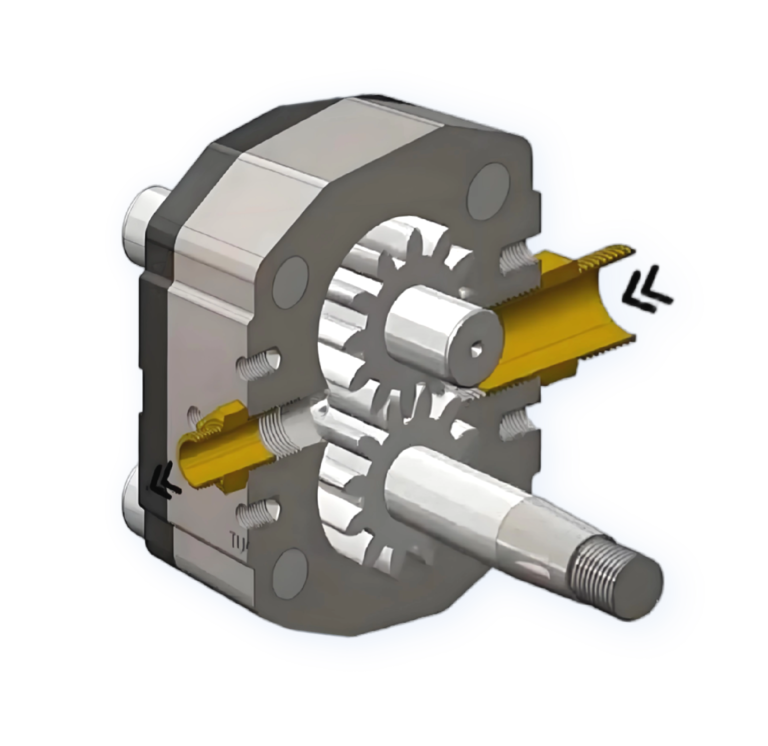
A servo-driven piston filling machine is generally suitable for high-viscosity products such as creams, ointments, petroleum jelly, waxes, and industrial resins. Heated hoppers, jacketed tanks, and agitation systems can also be added to maintain a consistent temperature and viscosity during filling.
Low-viscosity or foaming products can be handled with gravity or overflow filling systems equipped with diving nozzles. Bottom-up filling reduces splashing, aeration, and foam formation, while overflow technology helps maintain a consistent visible fill level across containers.
Yes. Powder auger fillers can accurately dose fine materials such as powdered detergents, pesticides, pigments, and specialty chemicals. Granules and solid products can be packaged using weighing systems, capsule fillers, or VFFS and HFFS machines, depending on the product and package format.
Corrosive products require chemically compatible contact parts made from materials such as SUS316L, PTFE, ceramic, PEEK, or specialized alloys. Flammable liquids may also require an ATEX- or IECEx-compliant explosion-proof system with grounded fluid paths, intrinsically safe components, ventilation, and appropriate containment measures.
A filling machine can often accommodate several products and container sizes through recipe controls, adjustable nozzles, and changeable handling parts. However, products with significantly different viscosities or chemical properties may require separate pumps, fluid pathways, seals, or dedicated equipment to prevent contamination and material damage.
A turnkey line may include bottle unscrambling, container cleaning, precision filling, capping or sealing, labeling, coding, inspection, case packing, and conveying systems. A complete project can also cover line design, factory acceptance testing, installation, commissioning, operator training, validation support, and after-sales service.
Special materials can change contact parts, safety controls, testing, and integration scope. Review these filling machine cost and configuration factors before comparing quotations.