Filling vs Packaging Machine For A Small Business: Differences, Advice, and How to Choose
A filling machine fills products into containers with speed and accuracy, while a packaging machine completes the final packaging process…
July 30, 2026

If you are running separate filling and capping units connected by long conveyor belts, you are likely dealing with wasted floor space, high labor costs, and the constant risk of contamination.
Switching to a monoblock filling and capping system solves these problems by integrating multiple functions into a single, compact frame. Here is why this setup is the gold standard for modern liquid packaging solutions.
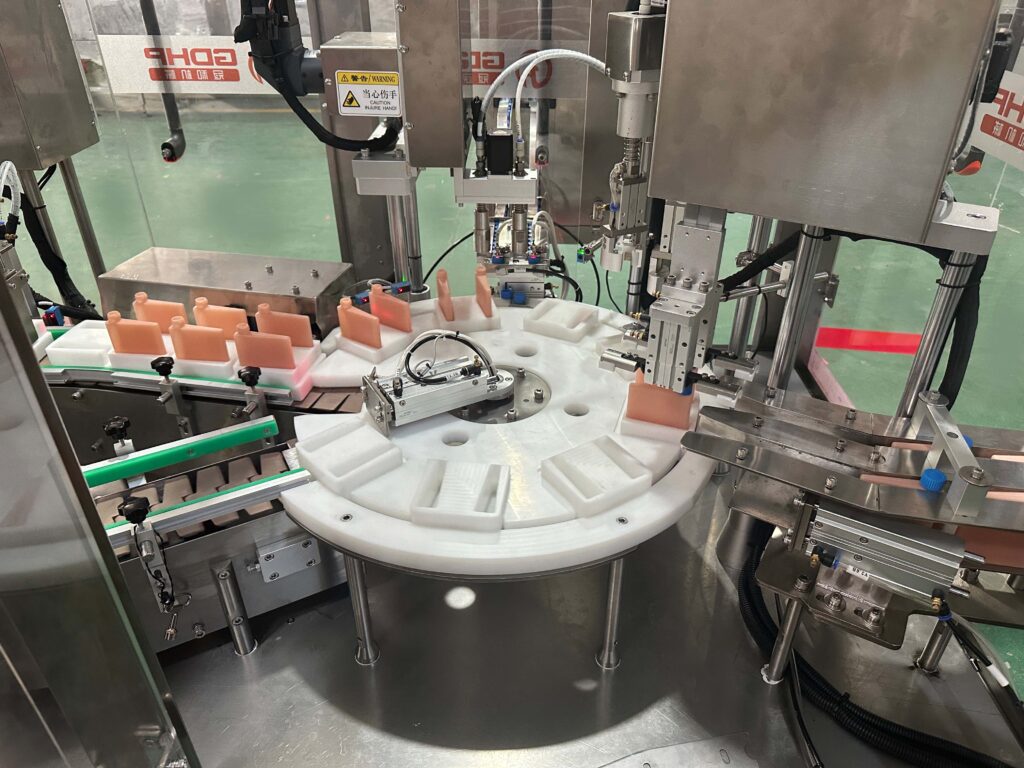
In most production facilities, square footage is expensive. Traditional linear lines require long stretches of conveyors to move bottles from the filler to the capper.
The longer a bottle travels open between the filling station and the capping station, the higher the risk of airborne debris or bacteria entering the product.
One of the most common points of failure in a bottling line is the transfer between machines. Bottles can tip, spill, or jam on conveyors.
Managing two or three different machines means training staff on multiple interfaces and maintaining separate spare parts inventories.
In a market that demands variety, the ability to switch between different bottle sizes quickly is a competitive necessity.
| Component | Common Brands/Materials | Function |
|---|---|---|
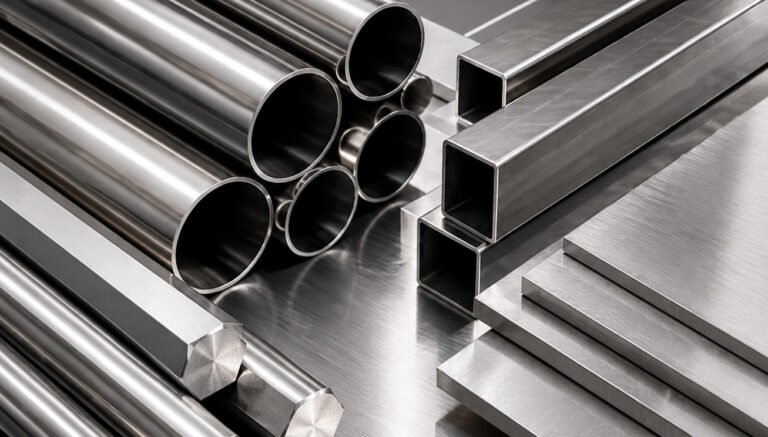
| Machine Frame | SUS304 Stainless Steel | Provides a stable, easy-to-clean structure. |
| Contact Parts | SUS316L / Medical Silicone | Prevents chemical reactions with the product. |
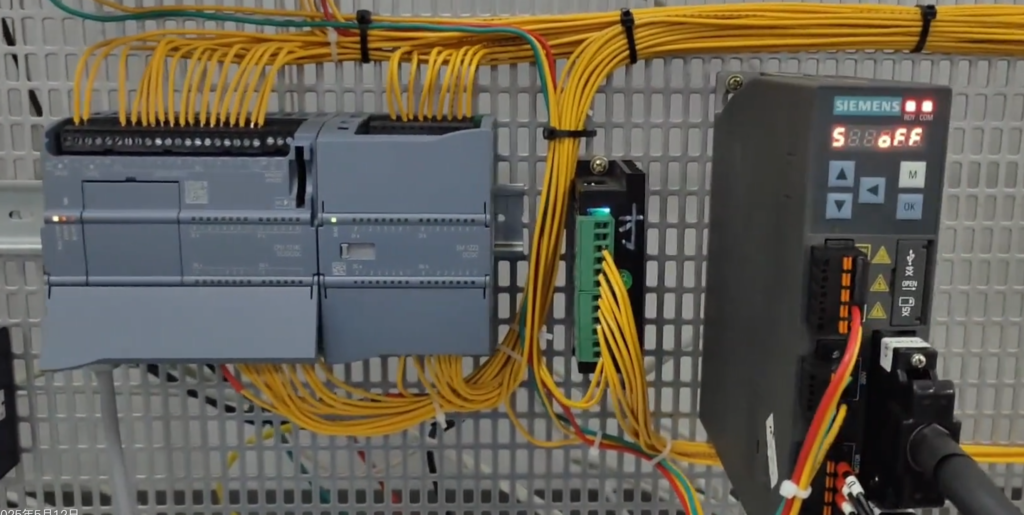
| Control System | Delta / Siemens PLC | Manages the timing and logic of the entire line. |
| Touch Screen | Delta / Weinview HMI | Interface for the operator to adjust parameters. |
Monoblock systems are the backbone of high-speed production. By housing the filling and capping functions on a single base, we eliminate the conveyor gaps that often cause spills and bottle tipping. This integration is the primary reason why use monoblock filling over traditional setups.
Most standalone machines use intermittent motion—they stop the bottle, fill it, and move it again. Our rotary filling machine design uses continuous motion. Bottles never stop moving; they transition smoothly via starwheels, which significantly boosts production throughput and reduces mechanical wear.
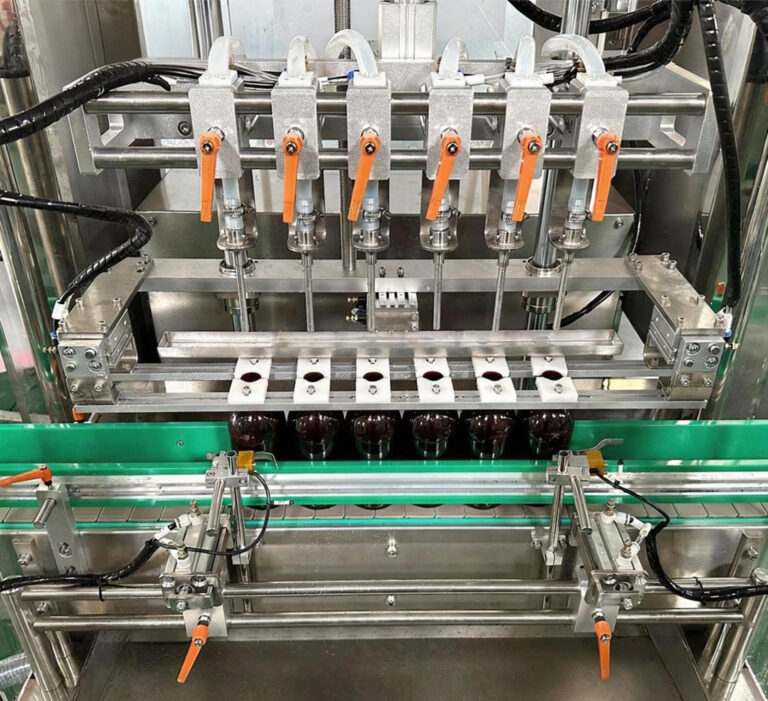
We integrate different filling methods depending on the liquid’s viscosity and foaming characteristics to ensure maximum filling accuracy:
| Filling Method | Best For | Key Benefit |
|---|---|---|
| Gravity Filling | Water, thin juices | High speed, simple maintenance |
| Vacuum Filling | Fragile glass, spirits | Prevents drips, consistent fill levels |
| Piston Filling | Creams, sauces, oils | Precise dosing for thick liquids |
The automated capping station is synchronized perfectly with the filler. Because the bottle is still held securely by the starwheel, the cap is applied immediately after filling. This ensures a hermetic seal and precise torque control, preventing leaks while maintaining a user-friendly opening experience for the consumer.
Managing a line shouldn’t be complicated. We use a unified PLC integration system, meaning one central processor controls the entire process. If the filler speed changes, the capper adjusts instantly. This synchronization is a core advantage of liquid packaging solutions, as it removes the headache of trying to sync separate machines from different vendors.
Every industry has its own set of headaches, from strict hygiene rules to handling thick, sticky liquids. We design our monoblock systems to tackle these specific challenges by integrating the entire process into one seamless unit. Here is how different sectors maximize their packaging line efficiency using this technology.
In the beverage world, speed and temperature control are everything. Whether you are bottling sparkling water or hot-fill juices, a rotary filling machine is the standard for high production throughput.
For pharma, it isn’t just about speed; it’s about precision and compliance. We focus on sanitary design to meet CGMP and international validation standards.
Cosmetics and household chemicals often involve thick creams or corrosive liquids that can ruin standard bottling equipment. We customize the fluid path to handle these “difficult” products.
| Industry | Primary Requirement | Monoblock Advantage |
|---|---|---|
| Beverage | High Speed | Continuous rotary motion |
| Pharma | Sterility | Minimal exposed parts & CIP |
| Cosmetics | Visual Appeal | Gentle handling & precise fill levels |
| Chemicals | Durability | Corrosion-resistant materials |
Selecting a partner for your rotary filling machine is a long-term investment. I’ve seen many businesses focus solely on the initial price, only to regret it when they face integration issues or lack of support. When you’re looking for a supplier to help you understand why use monoblock filling and capping, you need to look at their engineering depth and service commitment.
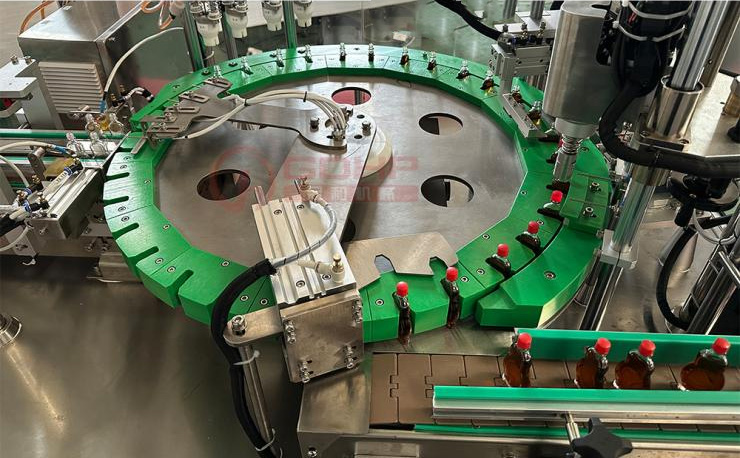
Not every product comes in a standard round bottle. Whether you are dealing with square containers, ergonomic grips, or miniature vials, your supplier must offer tailored starwheel transfer systems.
A monoblock system is the heart of your production. If it stops, everything stops. We prioritize packaging line efficiency by ensuring you are never left waiting for a critical component.
| Support Feature | What We Provide | Impact on Your Business |
|---|---|---|
| Parts Inventory | Global shipping on wear parts | Minimal downtime |
| Remote Diagnostics | PLC integration for real-time troubleshooting | Faster problem solving |
| On-site Training | Comprehensive team onboarding | Reduced operator error |
At GDHP, we don’t just assemble machines, we engineer solutions. Our focus is on precision engineering that ensures every automated capping station applies the exact torque required for a hermetic seal, every single time.
We build our systems with a “heavy-duty” mindset. By using high-grade stainless steel and superior components, we reduce vibration and wear. This commitment to quality is why our customers see a higher ROI and lower total cost of ownership compared to cheaper, less robust alternatives. We treat your production goals as our own, ensuring your monoblock filling and capping solutions are reliable from day one.
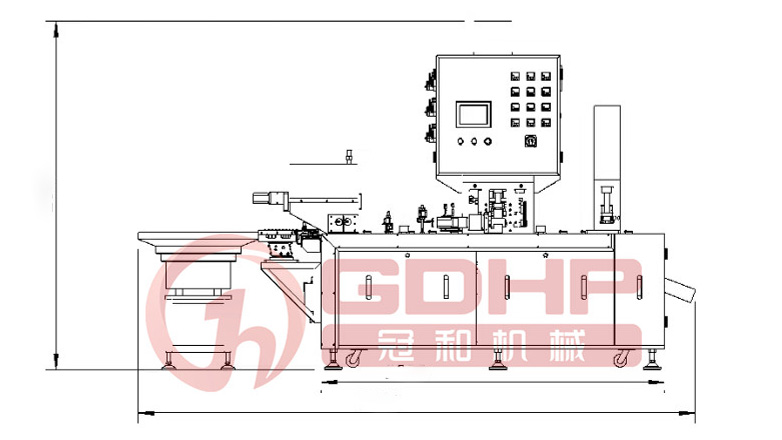
Actually, it’s easier. Instead of managing three different machines with separate motors and logic controllers, you have a single PLC integration point.
Most of our customers see a full return on investment within 12 to 24 months. The payoff comes from three main areas:
Precision comes from stability. In a linear setup, bottles often jiggle or tip on conveyors. In a monoblock, the bottle is securely held by the neck or base throughout the entire process. This mechanical synchronization ensures: