Blood Collection Tube: Types, Advantages & Machinery Solutions
The professional engineer's guide to blood collection tubes. Learn about different types of blood collection tubes, and discover the essential…
April 7, 2026

The landscape of monoblock liquid filling is shifting toward fully connected ecosystems. We are moving beyond standalone hardware to IoT-enabled monoblock systems that provide a window into every stage of the production cycle. We empower facilities to transform raw data into actionable intelligence, ensuring the filling line is never a “black box” of operations.
Modern monoblock machines now function as sophisticated data hubs. We integrate advanced sensors that stream live metrics to centralized dashboards, allowing operators to oversee critical performance indicators instantly:
Downtime is the ultimate profit killer. Our latest designs utilize smart sensors in manufacturing to detect mechanical anomalies before a failure occurs. This proactive approach saves thousands in emergency repair costs:
Geography is no longer a barrier to high-level technical support. Through secure cloud connectivity, we provide remote diagnostics that allow our engineers to access the machine’s PLC to troubleshoot software glitches or mechanical timing issues from anywhere in the world.
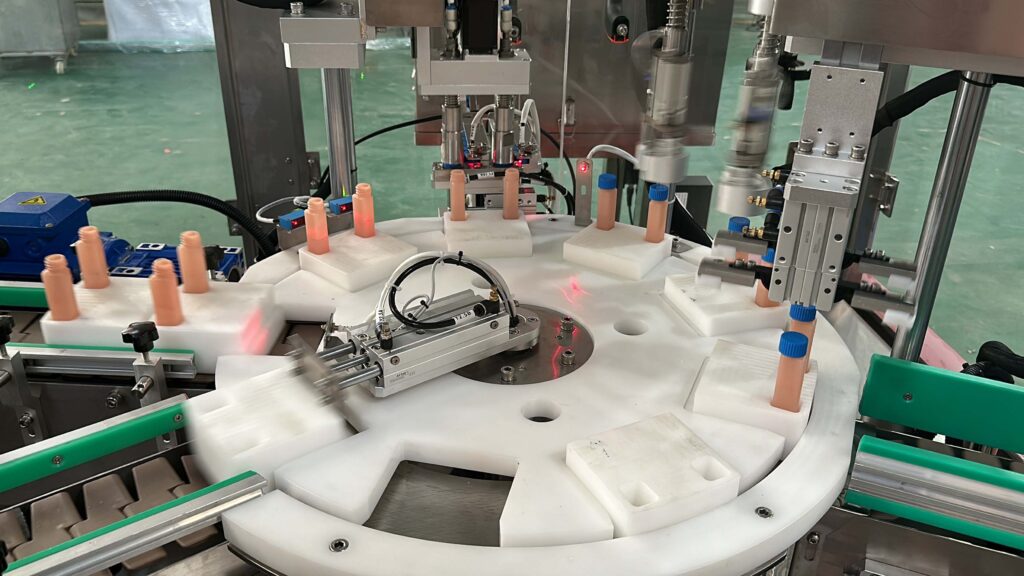
The market is moving away from rigid, single-purpose equipment. We are now seeing a massive shift toward modular bottling lines that prioritize adaptability. For businesses managing high-variety and low-volume production, the ability to pivot between different products without rebuilding the entire line is a game changer.
Modern consumer demands change fast. Our latest monoblock designs allow you to run small batches of different liquids—from thin juices to thick oils—on the same platform. This flexibility ensures that your investment remains profitable even as your product catalog evolves.
We’ve eliminated the need for a toolbox during setup. By implementing rapid changeover technology, operators can swap out starwheels, guides, and nozzles by hand.
The “all-in-one” concept has been refined. Instead of a fixed configuration, we use modular stations that allow you to integrate different capping or labeling units as needed.
In the landscape of future trends in monoblock liquid filling machine design, the move from mechanical cams to electronic servo-driven filling systems is the biggest game-changer. We have phased out clunky, fixed-motion mechanical parts for high-precision motors that allow for independent control of every filling head. This shift ensures that whether you are filling thin liquids or thick oils, the accuracy remains surgical.
| Feature | Traditional Mechanical Cams | Modern Servo-Driven Systems |
|---|---|---|
| Adjustment | Manual, time-consuming | Digital, instant via HMI |
| Precision | Subject to wear and tear | Milliliter-perfect consistency |
| Maintenance | High (greasing, parts replacement) | Low (fewer moving parts) |
| Flexibility | Limited to specific bottle sizes | Unlimited profile customization |
We integrate high-precision flow meters and mass flow technology to ensure every drop is accounted for. This is where the real ROI happens. By eliminating overfills, you save thousands in product costs over a single production year.
By adopting these packaging automation standards, we help operators maximize their yield. Energy-efficient filling machines using servo tech also consume less power because they only draw energy during the active filling stroke, making your entire line leaner and more profitable.
Sustainability is no longer a choice; it is a core requirement for modern production. We are engineering our monoblock liquid filling machines to help you meet strict environmental standards while lowering operational costs. By focusing on green engineering, we ensure your bottling line is as efficient as it is eco-friendly.
We prioritize energy-efficient filling machines that use high-performance motors and optimized power management systems. By reducing the electricity required for each cycle, we help you lower the overall carbon footprint of your facility. Our designs focus on:
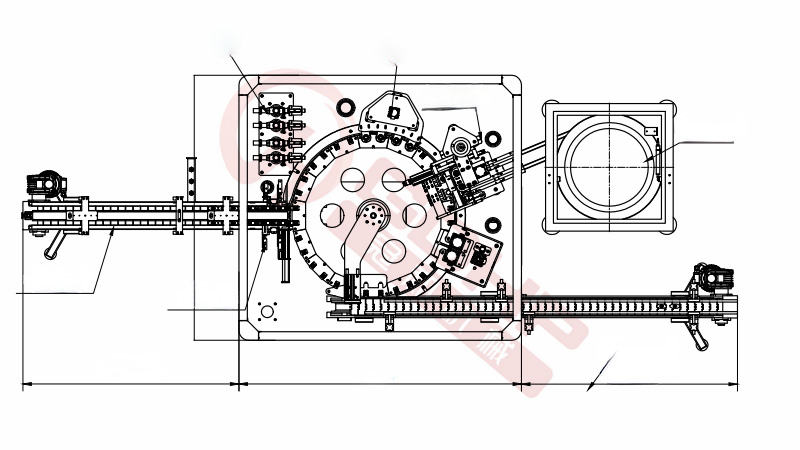
Product waste is one of the biggest hurdles in sustainable manufacturing. We integrate advanced smart sensors that provide a “no bottle, no fill” guarantee. If a container is missing or misaligned, the machine instantly halts the filling process for that specific station.
The shift toward sustainable packaging machinery means handling new materials like rPET (recycled polyethylene terephthalate) and biodegradable plastics. These materials can sometimes be more fragile or have slight variations in shape. Our monoblocks are designed with:
In the liquid packaging industry, hygiene is no longer just a checkbox—it is the core of the operation. We are seeing a significant shift where aseptic liquid packaging standards, once exclusive to the medical field, are becoming the norm for beverage and food production. The latest future trends in monoblock liquid filling machine design focus on eliminating human error and environmental contamination through total automation.
Manual scrubbing is outdated and risky. Modern monoblocks now come equipped with fully automated Clean-in-Place (CIP) and Sterilization-in-Place (SIP) systems.
To maintain a sterile environment during the filling process, we integrate Laminar flow hoods and HEPA filtration directly into the monoblock housing.
The gap between food safety and pharmaceutical precision is closing. We are now engineering pharmaceutical grade monoblocks for the food and beverage sector to handle sensitive products like plant-based milks and functional shots.
| Feature | Benefit |
|---|---|
| 316L Stainless Steel | Superior corrosion resistance and easier to sanitize. |
| Zero-Dead-Leg Design | Eliminates spots where product can sit and breed bacteria. |
| Non-Contact Filling | Nozzles never touch the bottle, preventing cross-contamination. |
By prioritizing these aseptic liquid packaging innovations, we ensure that your production line meets the highest global safety standards while extending the shelf life of your products naturally.
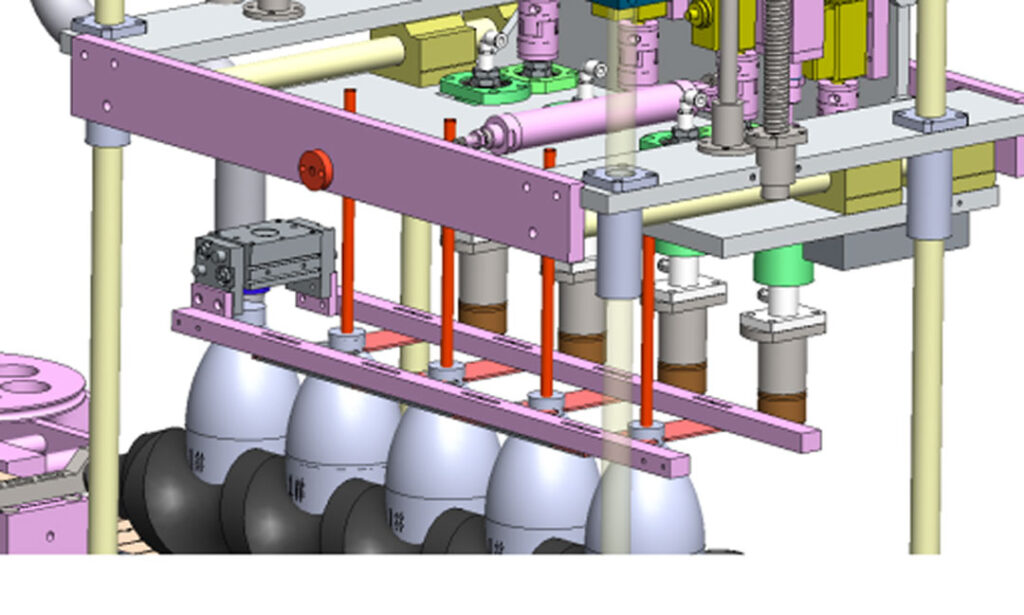
The future of the monoblock liquid filling machine lies in how easily your team can interact with the equipment. We are moving away from complex manual setups toward intuitive, collaborative environments where the machine does the heavy lifting and the operator simply supervises.
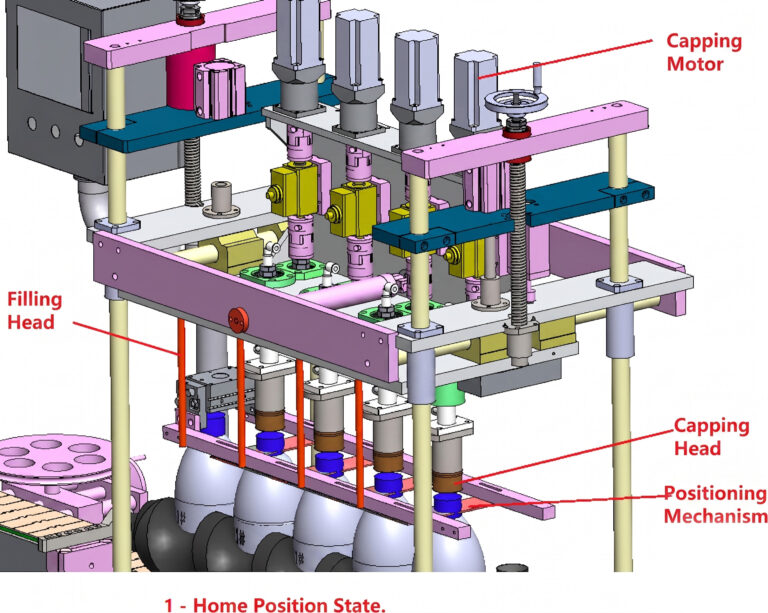
We are seeing a major shift toward robotic arms and cobots (collaborative robots) integrated directly into the monoblock frame. This isn’t just about speed; it’s about precision and safety.
The Human-Machine Interface (HMI) has evolved from a simple text screen into a powerful, visual control center. We focus on making the tech “invisible” so your team can focus on production.
By prioritizing packaging automation that is easy to use, we ensure that even the most advanced monoblock liquid filling machine remains accessible and efficient for your everyday operations.
We understand that investing in a monoblock liquid filling machine is about more than just today’s production—it’s about staying competitive for the next decade. At GDHP, we bridge the gap between complex packaging automation and the practical, day-to-day needs of your facility. We don’t just build machines; we engineer long-term efficiency.
For a current procurement framework before planning these upgrades, see our strategic guide to monoblock filling systems.
Our commitment to research and development ensures that every piece of equipment we deliver is at the cutting edge of the industry. We focus on:
We measure our success by your production gains. By choosing GDHP, you are choosing a partner dedicated to maximizing your bottom line through:
We know that “fancy” features mean nothing if the machine isn’t running. That’s why we balance advanced robotic capping integration and smart sensors with rugged, reliable frames. We provide the stability of a traditional manufacturer with the vision of a tech-forward innovator, ensuring your investment in a monoblock liquid filling machine pays off from day one.
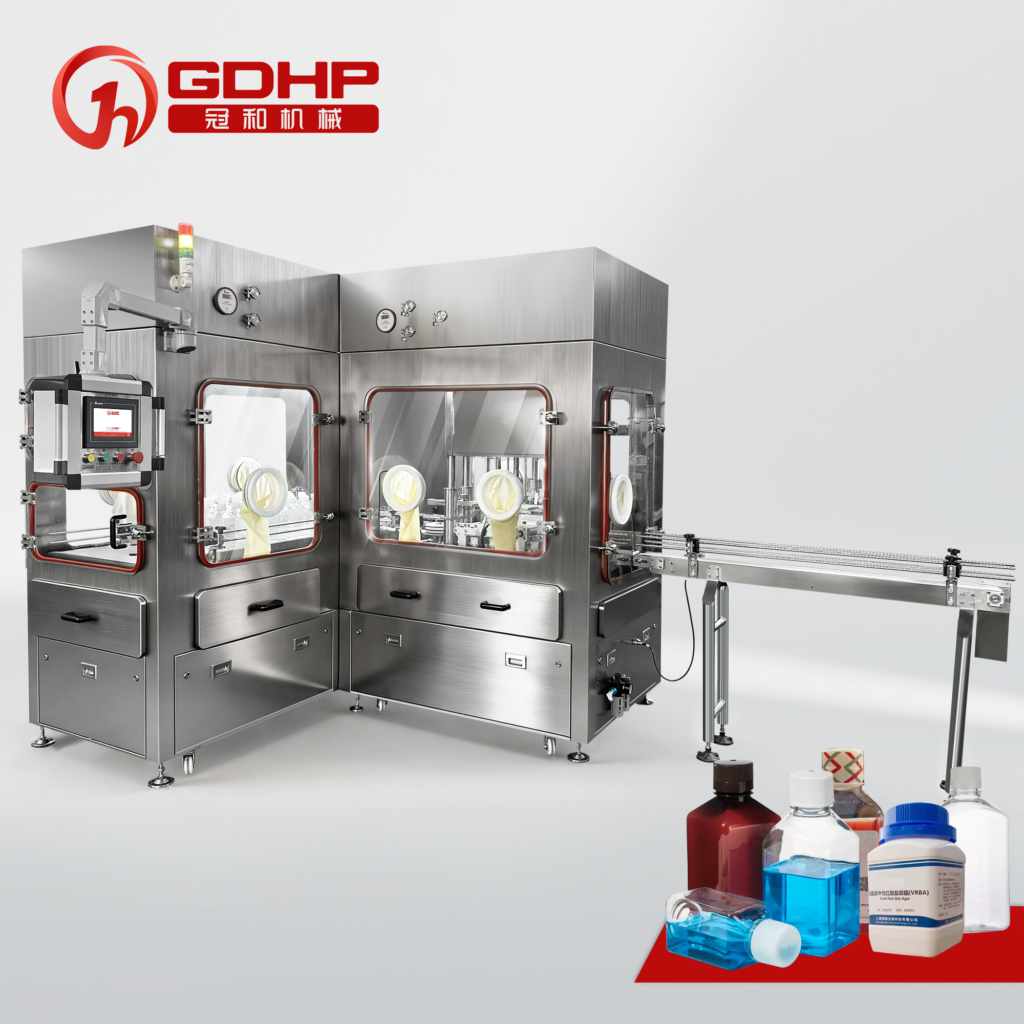
Moving from mechanical cams to servo-driven filling systems is a game-changer for precision. The main advantages include:
Yes, retrofitting is a major trend. We can integrate smart sensors into existing lines to monitor temperature, vibration, and flow rates. Adding these digital layers provides essential data that helps prevent failures and improves overall output quality.
The market now demands high-variety, low-volume production. Modular bottling lines allow you to swap out specific sections—like capping or labeling stations—to accommodate different bottle shapes or liquid viscosities. This rapid changeover technology ensures you can switch from one product line to another in minutes rather than hours, making your facility much more agile.
Consumer demand for clean-label products without preservatives has pushed aseptic liquid packaging to the forefront. Modern monoblocks now incorporate Clean-in-Place (CIP) technology and laminar flow hoods to meet strict pharmaceutical grade standards, ensuring the product remains uncontaminated from the moment it enters the filler until the cap is sealed.