Blood Collection Tube: Types, Advantages & Machinery Solutions
The professional engineer's guide to blood collection tubes. Learn about different types of blood collection tubes, and discover the essential…
April 7, 2026

Are you struggling to keep up with your daily beverage orders? Are you worried that choosing the wrong equipment might bottle-neck your growth or ruin your product’s freshness? Investing in the right packaging machinery is a major milestone for any growing business, but getting the wrong setup can be a costly mistake.
Here is exactly what we need to evaluate regarding your production volume and automation needs before you make a decision.
Your daily and hourly production goals dictate the type of machine you need. Matching your machine to your true output prevents you from overpaying for capacity you don’t use, or burning out smaller gear.
We break down the equipment market into three distinct levels of automation to fit different operational scales:
| Machine Type | Best For | Operation Style | Speed & Efficiency |
|---|---|---|---|
| Manual Hand-Crank Sealers | Homebrewers & Micro-startups | Completely manual placement and seaming | Very low throughput; high physical labor |
| Semi-Automatic Can Closer | Craft breweries & Small batch makers | Manual can placement; automated mechanical sealing cycle | Moderate speed; highly consistent seal quality |
| Automatic Can Seamer | High-volume packaging lines | Fully automated conveyor feeding, lid placement, and seaming | Maximum production throughput capacity; minimal labor |
Not every can sealing machine can handle every type of container. Before you buy, you need to match your machine to your specific packaging materials and dimensions.
Different materials react differently under pressure. Your equipment must be calibrated for the exact type of container you run:
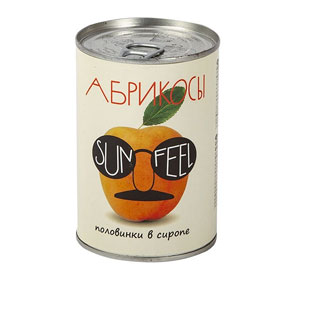
The diameter of your can dictates the size of the sealing chuck and die. If you run multiple sizes, you need to look at how the machine handles transitions.
| Can Profile | Typical Diameter | Operation Style |
|---|---|---|
| 202 Profile | Sleek / Slim cans | Requires specific narrow chucks |
| 211 Profile | Standard beverage cans | Standard industry tooling |
| Custom Sizes | Wide-mouth / Soup cans | Dedicated heavy-duty dies |
Pro Tip: To maintain high production throughput capacity, choose a system that features quick-change tooling. Swapping out parts for different diameters shouldn’t take hours or require a master technician.
A good aluminum can sealing equipment setup must adjust vertically without hassle. Whether you are running short 8 oz sleek cans, standard 12 oz packs, or 16 oz tallboys, the base plate must adjust cleanly.
If the base plate height is misaligned by even a millimeter, you risk serious defects:
Look for a tabletop can sealer or automated system that offers a smooth, lockable height-adjustment mechanism to keep your line flexible and dent-free.
When looking for a can sealing machine, the absolute most critical factor is the quality of the final seal. If the seam isn’t perfect, the product inside is compromised. Understanding how double seam integrity works keeps your product fresh and your business protected.
A proper airtight seal happens in two distinct steps using precise can seaming roller adjustment mechanisms:
A weak or faulty seam can ruin your business reputation and cost thousands in wasted inventory.
To maintain strict quality control, your beverage packaging machinery requires regular checking.
| Testing Method | How It Works | Why It Matters |
|---|---|---|
| Visual Inspection | Watching the process through transparent protective shields or real-time inspection tracks. | Allows for fast calibration and instant troubleshooting without wasting cans. |
| Destructive Testing | Tearing down a finished seam to physically measure the hook lengths and overlap. | Verifies the exact internal measurements required for commercial canning standards. |
Before you pull the trigger on a new setup, you need to look at your shop floor. It’s not just about where the machine sits, but how it plugs into your daily workflow and your building’s infrastructure. If the machine doesn’t fit your packaging line footprint, it becomes a bottleneck rather than a solution.
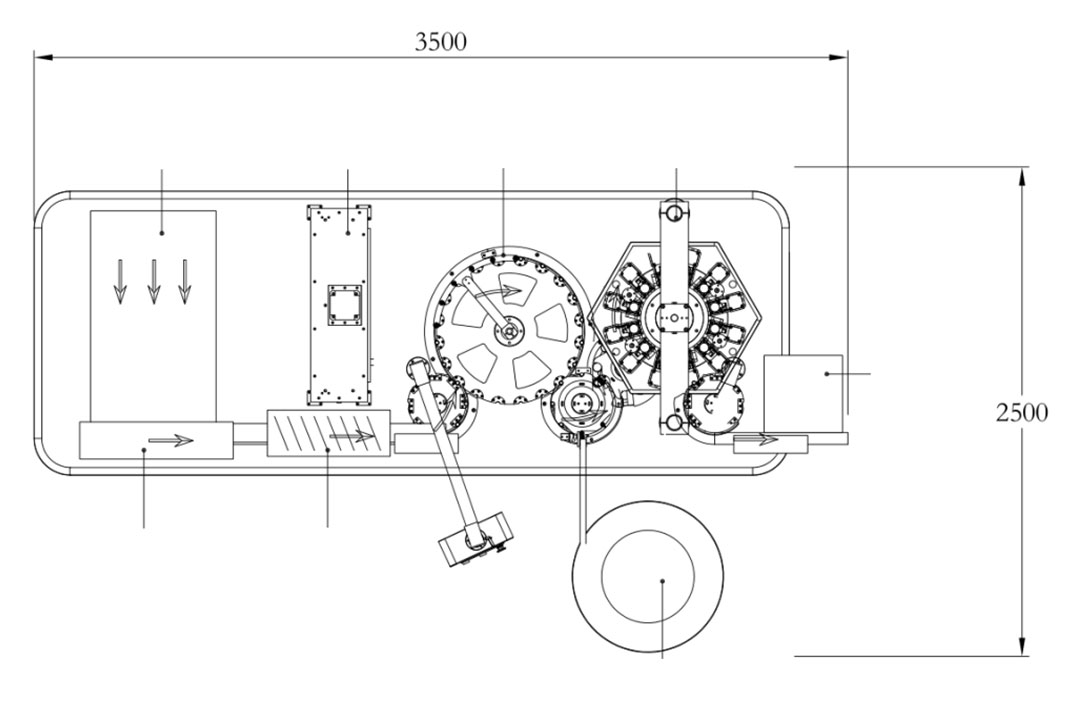
Whether you are tight on space or have a sprawling warehouse, picking the right form factor is the first step to a smooth operation.
Nothing kills a launch day like a blown fuse or a lack of air pressure. You have to match the machine to your facility’s “diet.”
| Utility Type | Requirement | Why It Matters |
|---|---|---|
| Electrical Voltage | 110V / 220V / 380V | Most semi-automatic can closers run on standard power, but high-speed lines often need industrial three-phase power. |
| Pneumatic (Air) | 0.6 – 0.8 MPa | Automated components and lid droppers require a steady, dry air supply from a reliable compressor. |
| Drainage | Floor Slopes/Drains | Essential for “washdown” environments where liquid spills are part of the job. |
When investing in beverage packaging machinery, looking only at the initial price tag is a mistake that can derail your production budget. What you pay upfront is just the starting point; the real value lies in the long-term cost of operations, maintenance, and support.
A cheap tabletop can sealer might look attractive on paper, but unexpected downtime can quickly erase those initial savings. To keep your craft beer canning line or beverage business profitable, you must calculate the total cost of ownership by balancing upfront capital expenses against long-term operational efficiency.
Every commercial canning solutions system has parts that take a beating during daily operations. High-use components require regular inspection and timely replacement to maintain double seam integrity.
| High-Use Component | Function | Maintenance Priority |
|---|---|---|
| Can seaming roller | Forms the critical hooks of the seam | Requires regular can seaming roller adjustment to prevent leaks. |
| Seaming chucks | Holds the can lid firmly in place | Must match specific can dimension compatibility to prevent slipping. |
| Drive gears | Powers the rotational sealing mechanism | Needs proper lubrication to avoid premature mechanical friction and wear. |
We don’t just sell equipment; we partner with your business for the long haul. A reliable automatic can seamer is only as good as the team standing behind it. Having access to a robust post-purchase ecosystem ensures your facility runs without interruption.
We design our beverage packaging machinery to eliminate the guesswork from your packaging line. Instead of forcing your business to fit into a generic mold, we engineer our automatic can seamers and versatile sealing systems around your specific operational realities.
For an applied food-packaging workflow covering containers, filling, capping, sealing, labeling, and secondary packing, review our ketchup packaging machinery guide.
Whether you are launching a beer can sealing machine or sealing specialty beverages in plastic, our equipment adapts to your exact needs.
| Feature | GDHP Capability | Benefit to Your Business |
|---|---|---|
| Can Dimension Compatibility | Quick-change tooling for standard, sleek, and tallboy profiles. | Seamlessly switch between different product lines without buying multiple machines. |
| Material Flexibility | Fine-tuned pressure settings for aluminum, tinplate, and PET can sealing | Zero structural dents or compromised seals, regardless of the container material. |
| Scalable Output | Modular designs that upgrade from semi-automatic can closers to continuous lines. | Your machinery investment grows right along with your production throughput capacity. |
We don’t just sell equipment; we deliver tailored engineering that secures your product, optimizes your packaging line footprint, and scales with your business ambitions.
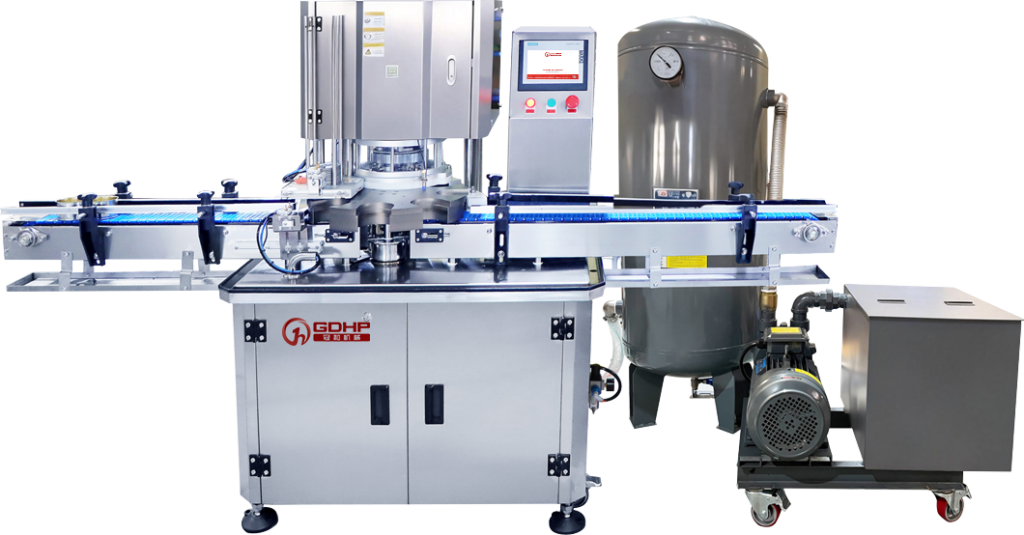
For small businesses or startups, a semi-automatic can sealer may be sufficient. Larger beverage or food factories usually require fully automatic rotary can seamers for higher output and efficiency.
Can sealing machines are widely used in industries such as:
Small semi-automatic models may start from a 3-5 thousand dollars, while fully automatic rotary can seamers for high-speed production lines can cost significantly more.
When comparing prices, buyers should also consider maintenance costs, spare parts availability, and long-term production efficiency.
Regular maintenance usually includes:
Preventive maintenance helps reduce downtime and maintain consistent sealing quality.
Before purchasing, evaluate: production capacity, machine certifications, after-sales support, spare parts availability, technical training, warranty coverage
Yes. Most industrial can seamers are compatible with: aluminum cans, tinplate cans, pET cans with aluminum lids. Compatibility depends on the machine design and tooling configuration.
A high-quality can seamer can typically operate for 8 to 15 years or longer with proper maintenance. Machine lifespan depends on: daily operating hours, material quality, lubrication and maintenance, operator training