Reliable Filler PLC: Siemens PLC Comprehensive Review

Hello, I am a senior engineer and founder at GDHP. With 23 years of technical expertise in the filling and packaging industry, we provide more than just equipment—we are dedicated to delivering high-stability, high-efficiency, and fully customized turnkey solutions for your business.
Table of Contents
1. The Current SIMATIC Lineup: Finding the Right Fit
SIMATIC S7-1200 G2: The Next Gen Basic Controller
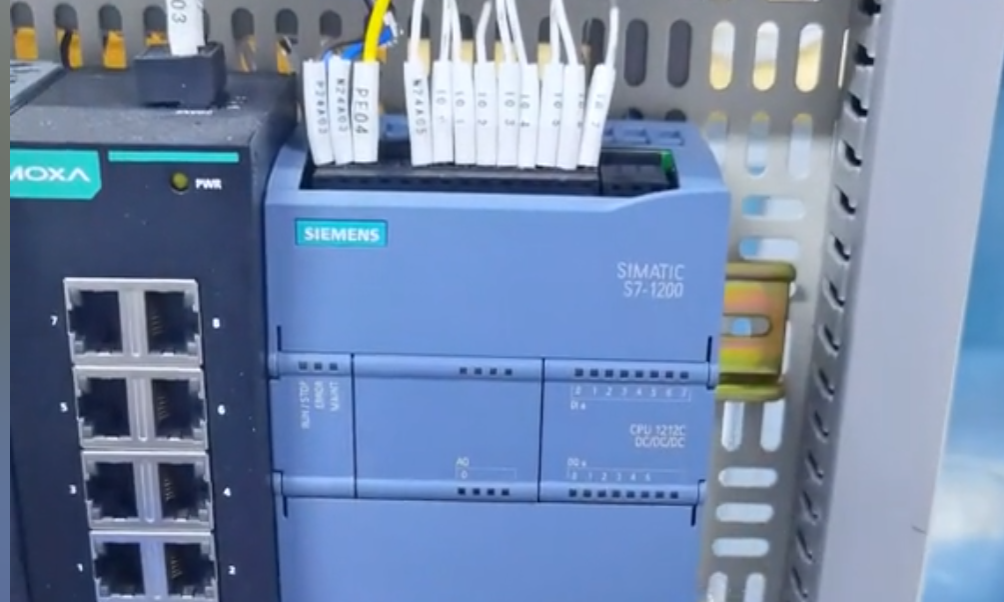
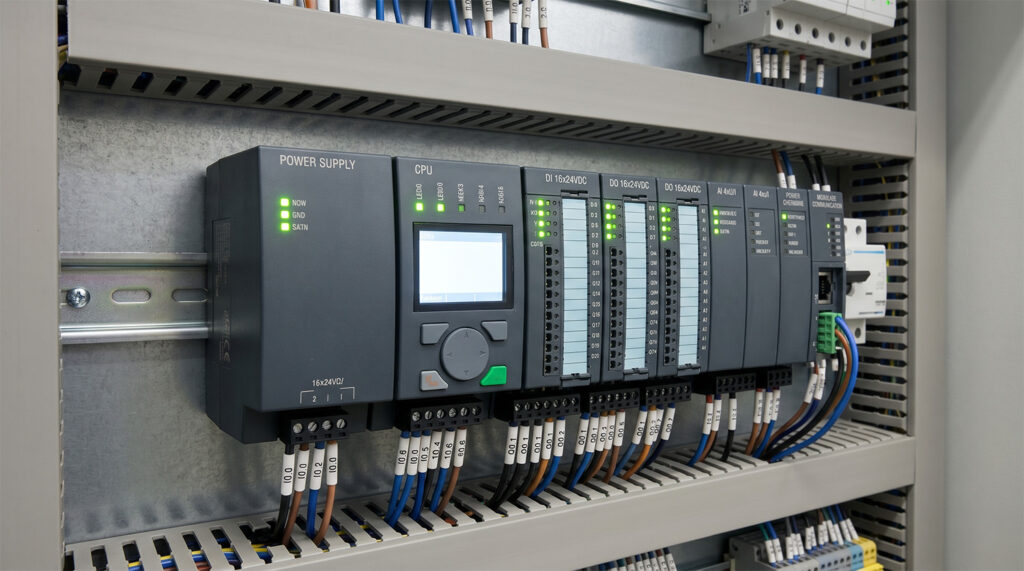
The siemens PLC of S7-1200 G2 is the evolution of the compact controller. I find it effective for localized industrial automation (benchtop filling, monoblock filling) where space is at a premium but performance cannot be sacrificed.
- Integrated I/O: High-density onboard inputs and outputs reduce the footprint.
- Enhanced Performance: Faster processing speeds compared to the first generation.
- Seamless Integration: Fully optimized for the latest TIA Portal environment.
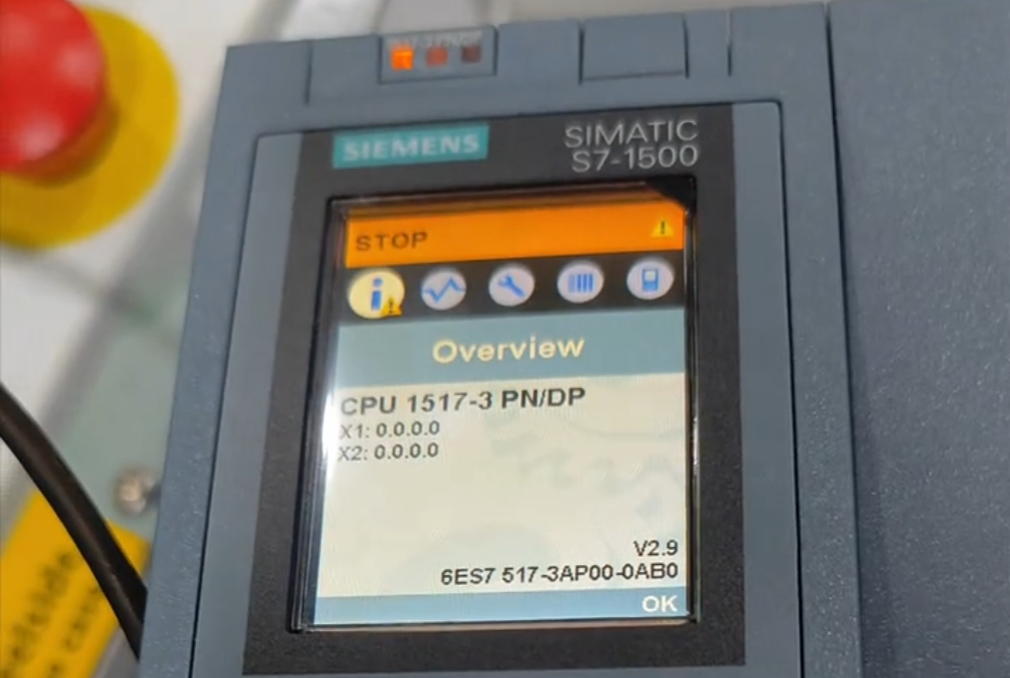
SIMATIC S7-1500: The Powerhouse for Complex Machines
When it comes to high-speed applications—such as precision filling machine synchronization or multi-axis motion control—the SIMATIC S7-1500 is my top recommendation. It is built for maximum throughput and deterministic response times.
- High-Speed Processing: Handles complex algorithms without breaking a sweat.
- Built-in Display: Allows for immediate on-site diagnostics without a laptop.
- Scalability: Supports massive I/O configurations for plant-wide control.
SIMATIC S7-1500V: The Virtual PLC Revolution
The SIMATIC S7-1500V represents a shift toward software-defined automation. By decoupling the PLC software from dedicated hardware, I can now run control logic on industrial PCs or edge devices.
- Hardware Independence: Run your PLC on standard IT infrastructure.
- IT/OT Convergence: Easier data exchange between the shop floor and cloud systems.
- Flexibility: Ideal for environments where physical space for control cabinets is limited.
Legacy Systems: S7-300 and S7-400 Migration
Deciding whether to maintain or migrate S7-300/400 systems is a common headache. While these legacy units are incredibly robust, the cost of spare parts and the lack of modern security features make migration a priority.
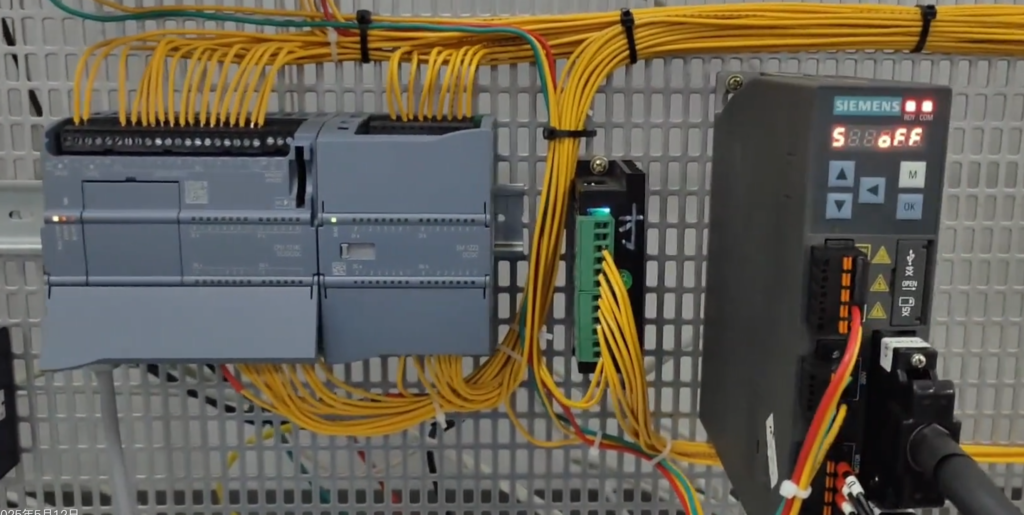
- Maintenance Risks: Increasing scarcity of genuine components leads to longer downtime.
- Migration Benefits: Moving to the S7-1500 unlocks advanced diagnostics and better energy management.
- Phased Approach: Use modern I/O adapters to keep existing wiring while upgrading the CPU to minimize installation time.

2. Software Synergy: TIA Portal and Beyond
In my experience, the hardware is only as good as the software driving it. When conducting a Review of Siemens PLC, the conversation inevitably centers on the ecosystem. It is what transforms a standard Programmable Logic Controller into a high-functioning Industrial Automation powerhouse.
The TIA Portal Advantage
The TIA Portal (Totally Integrated Automation) is the backbone of engineering efficiency. Instead of toggling between separate tools for logic, HMI Integration, and drives, everything sits within a unified framework.
- Single Data Management: Change a tag once, and it updates across the entire project automatically.
- Standardization: We utilize global libraries to ensure every machine we deploy follows the same high-quality code structure.
- Smart Engineering: Features like drag-and-drop hardware configuration significantly cut down on manual entry errors.
SIMATIC PCS 7 vs. SIMATIC PCS neo
The transition from traditional systems to web-based control is where the industry is heading. While SIMATIC PCS 7 remains the global standard for a robust Distributed Control System (DCS), SIMATIC PCS neo represents the next evolution.
- SIMATIC PCS 7: Best for massive, complex plants requiring deep-rooted system redundancy and proven reliability.
- SIMATIC PCS neo: Our top choice for global teams. It is entirely web-based, allowing for collaborative process control from any location without local software installations.
Simulation and Digital Twins
We rely on PLCSIM Advanced to bridge the gap between design and reality. By creating a Digital Twin, we can validate code before the physical hardware even arrives on the factory floor.
- Reduced Commissioning Time: We catch logic errors in a virtual environment, saving days of on-site troubleshooting.
- Virtual Testing: Simulate complex Motion Control and synchronization tasks without risking mechanical damage.
- Seamless Integration: It communicates directly with external simulation software, providing a high-fidelity preview of real-world performance.

3. Performance Analysis in Specialized Applications
I’ve seen how these controllers handle high-pressure environments, and the results are consistently impressive. When evaluating a Review of Siemens PLC in the field, the real value shows up in how it manages high-speed logic and complex movement without breaking a sweat.
Precision in Packaging: High-speed filling machine synchronization
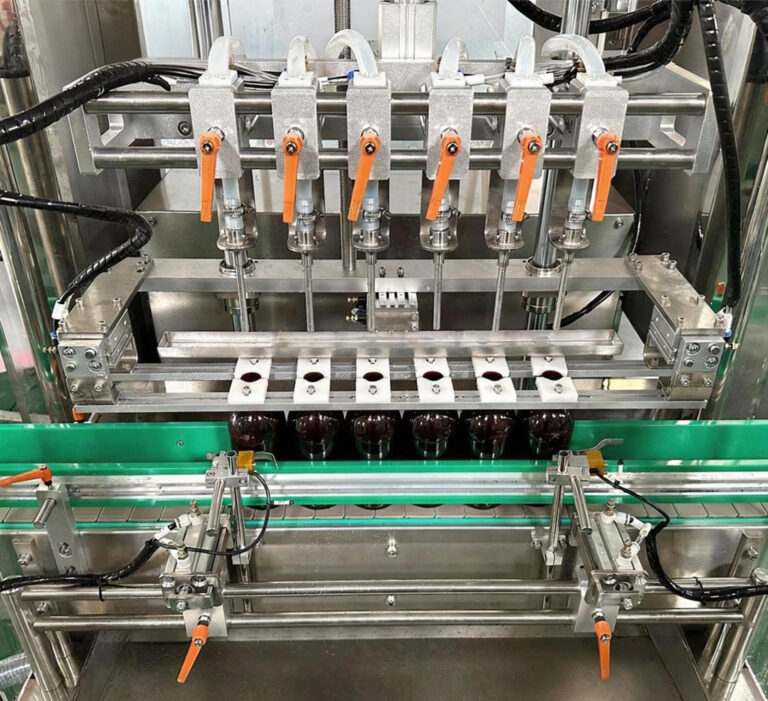
In the packaging industry, every millisecond counts. I’ve found that using the SIMATIC S7-1500 for filling machine automation provides a level of synchronization that most competitors struggle to match.
- Exact Dosing: High-speed processing ensures that valves open and close with microsecond precision, reducing product waste.
- Camming Functions: Smoothly synchronizes conveyor speeds with filling heads to prevent spills and maintain high throughput.
- Real-time Response: The backplane bus speed allows for near-instantaneous adjustments based on sensor feedback.
Motion Control Capabilities
One of the strongest selling points is the built-in Motion Control. You don’t need specialized external hardware to handle complex paths or drive coordination.
- Integrated Technology Objects: Configuring a drive or an encoder is handled through software objects, making setup much faster.
- Flexible Kinematics: Easily handles 2D and 3D path control for basic robotics and pick-and-place applications.
- Universal Compatibility: Whether you are using Profinet-capable servos or simple VFDs, the control logic remains consistent and reliable.
Diagnostics and Troubleshooting
System-integrated diagnostics are a game changer for minimizing downtime. In my experience, this is where Siemens saves the most money for a plant.
- No Programming Required: The Programmable Logic Controller automatically generates diagnostic information for all hardware components.
- Unified Display: Faults appear in plain text on the TIA Portal, the HMI, and the integrated web server simultaneously.
- Proactive Maintenance: Detailed logging helps identify failing components before they cause a full system shutdown, keeping your lines running longer.

4. Connectivity and Industry Readiness in Siemens PLC
In my experience, the true value of a Review of Siemens PLC lies in how these controllers handle data. Siemens doesn’t just build hardware; they build a connected ecosystem ready for Industry. Whether I am setting up a small cell or a massive plant, the connectivity options ensure that data moves where it needs to go without bottlenecks.
Profinet: The Real-Time Backbone
Profinet is the standard for a reason. It serves as the central nervous system for the SIMATIC S7-1500 and S7-1200 G2 lineups. It handles real-time communication with extreme precision, allowing for seamless topology management. If a device fails, the system identifies the exact location in the network, making hot-swapping and maintenance much faster.
OPC UA Integration for IT/OT Convergence
To bridge the gap between the factory floor (OT) and the management level (IT), I rely heavily on OPC UA. Siemens has integrated this directly into the CPU. This allows the programmable logic controller to talk directly to MES or ERP systems.
| Feature | Industrial Application |
|---|---|
| Data Consistency | Uniform data structures across the entire network. |
| Scalability | Easy to add new nodes without reconfiguring the whole system. |
| Interoperability | Connects Siemens hardware to third-party software and sensors. |
Cybersecurity and Defense in Depth
With increased connectivity comes increased risk. Siemens uses a “Defense in Depth” strategy to protect industrial assets. This isn’t just a firewall; it is a multi-layered approach built into the hardware and software.
- Access Protection: Restricts unauthorized changes to the PLC code.
- Communication Integrity: Protects against man-in-the-middle attacks using encrypted protocols.
- Firmware Security: Digital signatures ensure only genuine Siemens updates are installed.
By combining Profinet for speed and OPC UA for data exchange, Siemens provides a platform that is secure, transparent, and fully prepared for the future of digital manufacturing.
5. Pros and Cons of Siemens PLC Systems
After years of integrating these systems into various factories, I’ve seen firsthand where Siemens shines and where it tests your patience. Choosing a Programmable Logic Controller from the SIMATIC line is usually a strategic long-term investment rather than a quick fix.
Why Siemens Dominates Industrial Automation
The strengths of the Siemens ecosystem are hard to ignore, especially for large-scale operations that cannot afford downtime.
- Unmatched Scalability: You can start small with a SIMATIC S7-1200 G2 for basic tasks and move up to the SIMATIC S7-1500 for high-speed processing without leaving the same software environment.
- Global Support Network: No matter where your machine is shipped, there is a Siemens-certified technician or a spare part nearby. This is a massive selling point for OEMs.
- Robust Hardware: These units are built for harsh environments. I’ve seen older S7-300 units running in dusty, vibrating cabinets for twenty years without a single failure.
- Integrated Ecosystem: The way the PLC, HMI, and drives talk to each other within the framework is seamless once configured.
The Trade-offs: Cost and Complexity
While the hardware is top-tier, there are a few hurdles that every engineer and business owner should be aware of.
- The TIA Portal Learning Curve: TIA Portal is an incredibly powerful engineering tool, but it is “heavy.” It requires high-spec laptops to run smoothly, and the interface can be overwhelming for beginners compared to simpler, low-cost alternatives.
- Premium Pricing: You are paying for the brand, the R&D, and the reliability. For simple, standalone machines, the cost of a Siemens PLC and the necessary software licensing can be significantly higher than competitors.
- Licensing Fees: Unlike some brands that offer free software, Siemens operates on a paid licensing model for its advanced engineering suites, which adds to the total cost of ownership.
| Feature | Siemens Advantage | The Reality Check |
|---|---|---|
| Reliability | Industrial-grade, long lifecycle | High initial hardware cost |
| Software | TIA Portal handles everything | Steep learning curve & high PC specs |
| Support | Global availability | Premium price for specialized parts |
| Future-Proof | Ready for Industrial Automation | Migration from legacy gear takes time |
6. Implementation and Support: The GDHP Advantage for Siemens PLC
We don’t just supply hardware; we deliver integrated solutions that maximize the performance of your Siemens PLC setup. Our approach focuses on bridging the gap between high-end German engineering and the practical, day-to-day needs of global industrial facilities.
Custom Industrial Solutions and Optimization
We optimize every SIMATIC S7-1500 and S7-1200 G2 deployment to ensure it hits your specific production targets. By focusing on the unique demands of your floor, we turn standard hardware into a specialized tool.
- Tailored Programming: We align TIA Portal configurations with your unique mechanical requirements.
- Application Specifics: From high-speed filling machine automation to complex motion control, we fine-tune the hardware for maximum throughput.
- System Integration: We ensure seamless communication between the Programmable Logic Controller, HMI, and drive systems.
Lifecycle Management and Genuine Sourcing
Maintaining a robust automation ecosystem requires a long-term strategy. We handle the heavy lifting of sourcing and support so your operations never skip a beat.
- 100% Genuine Components: We provide only authentic Siemens PLC hardware, ensuring full warranty support and long-term reliability.
- Migration Support: We manage the transition from legacy S7-300 units to the modern SIMATIC S7-1500V or physical 1500 series.
- Global Logistics: Our supply chain is built to get critical components to your site fast, minimizing unplanned downtime.
- Obsolescence Planning: We help you track the lifecycle of your modules, planning upgrades before parts become discontinued.
By choosing GDHP, you gain a partner that understands the technical depth of the SIMATIC lineup and the commercial reality of keeping a plant running 24/7.
Related Resources
Siemens PLCHave questions? Reach out to us, and we will provide you with a perfect solution.
FAQ
Is the S7-1200 G2 compatible with older modules?
How does the S7-1500V virtual PLC handle real-time tasks?
The SIMATIC S7-1500V operates using a real-time hypervisor. This technology allows the virtual PLC to run independently of the underlying operating system. It ensures deterministic performance, meaning your high-speed logic and timing remain precise, even when running on standard industrial PC hardware.
What is the main difference between PCS 7 and PCS neo?
It comes down to accessibility and collaboration:
- SIMATIC PCS 7: The classic, robust Distributed Control System (DCS) used globally for massive plant operations.
- SIMATIC PCS neo: A completely web-based evolution. It allows teams to collaborate on engineering and monitoring from anywhere in the world using a simple web browser, without needing local software installations.
Is switching from S7-300 to S7-1500 worth the cost?
Absolutely. While the S7-300 was a workhorse, the SIMATIC S7-1500 provides:
- Faster Processing: Drastically reduced cycle times for complex logic.
- Built-in Display: On-board diagnostics without needing a laptop.
- Enhanced Security: Modern protection against unauthorized access.
- Future-Proofing: Avoiding the rising costs and scarcity of legacy spare parts.
Investing in the S7-1500 now prevents the “emergency migration” headache that happens when legacy hardware finally fails.