Standalone vs Turnkey Filling Line: Cost & Risk Guide
Compare standalone filling machines and turnkey filling lines using real anonymized project data, including cost structure, throughput, integration risk and…
September 2, 2026

Hello, I am a Senior Engineer at GDHP. With 23 years of technical expertise in the filling and packaging industry, we provide more than just equipment—we are dedicated to delivering high-stability, high-efficiency, and fully customized turnkey solutions for your business.
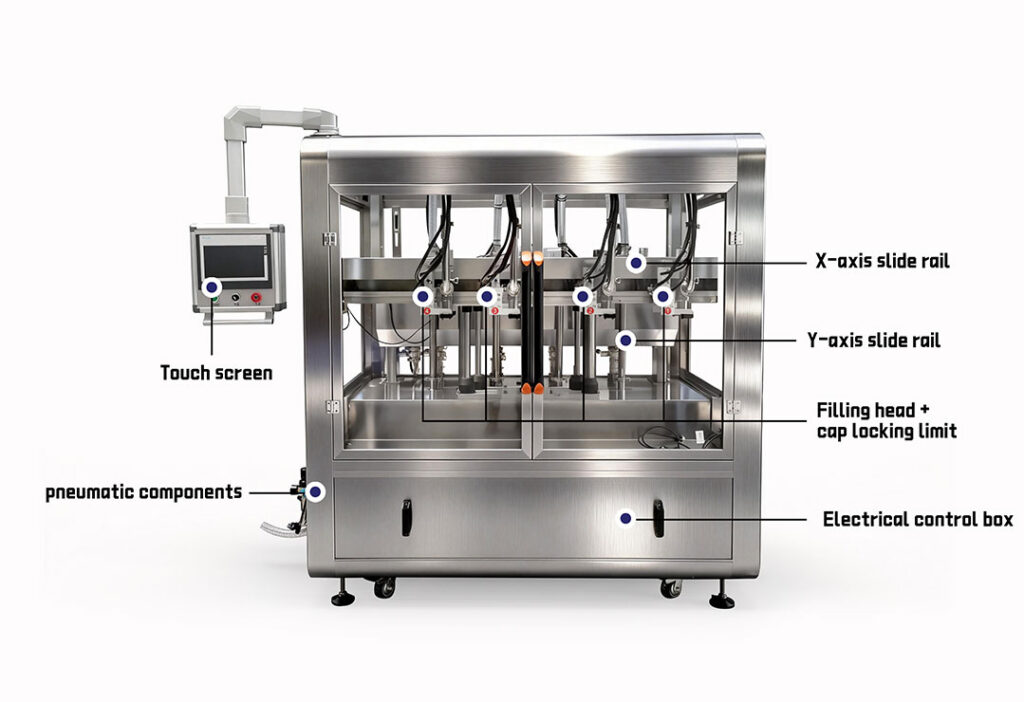
Causes:
Troubleshooting Tips:
Maintaining precise control over fill volumes is critical to avoid product waste and maintain packaging quality. Regular calibration and preventive maintenance are essential for reliable, accurate filling performance. A bottled water manufacturer in South America faced filling inconsistencies of up to ±10ml, leading to product loss and compliance issues. After inspecting the system, we recalibrated the filling valves and optimized the timing settings. As a result, accuracy improved to ±1ml and product waste was reduced by 15%.
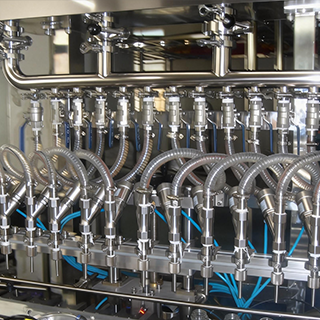
Dripping nozzles and product leakage are common problems that cause waste, mess, and downtime. The main causes typically include worn or damaged nozzle tips, improper anti-drip mechanism settings, or residue buildup blocking proper sealing.
To fix dripping nozzles effectively:
By regularly maintaining nozzle components and fine-tuning anti-drip settings, you can minimize dripping nozzles and product leakage, reducing waste and packaging downtime on your filling lines. A cosmetics company experienced frequent dripping after filling, causing messy bottles and increased cleaning costs. We upgraded the nozzle design and adjusted the shut-off timing. This reduced dripping by over 90% and improved packaging quality significantly.
Foaming and aeration during filling cause inaccurate volumes and messy packaging. This usually happens when air is trapped in the product or introduced during the fill cycle. Common causes include high liquid viscosity, excessive fill speed, or filling from too high above the container.
To diagnose foaming issues, start by checking if the liquid has changed in viscosity or temperature. Inspect the nozzles for wear or incorrect positioning that may cause splashing. Also, look at air lines and venting systems to ensure they’re not allowing air into the product stream.
Prevent overfoaming by:
Consistently managing these factors will help maintain accurate fill levels while eliminating foam-related downtime. Proper attention to liquid handling during the fill cycle is critical for preventing product waste and maintaining a clean production line.
Filling machine electrical issues, sensor failures, and PLC (programmable logic controller) malfunctions are some of the most frequent reasons filling machines stop working properly. These problems can cause erratic machine behavior, inaccurate fill volumes, or total production shutdown.
Typical causes include loose wiring, damaged cables, improper sensor alignment, or outdated PLC programming. Faulty sensors can send incorrect signals, while PLC errors often stem from software glitches or communication faults.
To troubleshoot:
Addressing these electrical and control system issues promptly keeps your filling machine consistent and avoids costly production delays.
If recurring control faults point to controller selection or integration limits, review our Siemens PLC guide for filling machines.
Conveyor jams and container handling issues disrupt production and increase downtime, affecting overall efficiency. Common causes include misaligned conveyor belts, worn timing screws, incorrect container spacing, or damaged guide rails. To prevent jams and ensure smooth material flow, regularly inspect conveyor alignment and tension, adjust timing screws as needed, and replace any worn or damaged parts promptly. Make sure containers are properly loaded and guided with sanitary clamps to avoid tipping or misfeeds. Keeping conveyor speed synchronized with the filling cycle helps reduce bottlenecks and container pile-ups. Consistent preventive maintenance of conveyor components greatly reduces packaging machinery downtime related to jams and misfeeds, keeping your filling line running reliably. A food processing plant reported frequent bottle jams on the conveyor line, slowing down production. After analyzing the layout, we adjusted the conveyor speed and installed better guides. This reduced downtime by 25% and improved line stability.
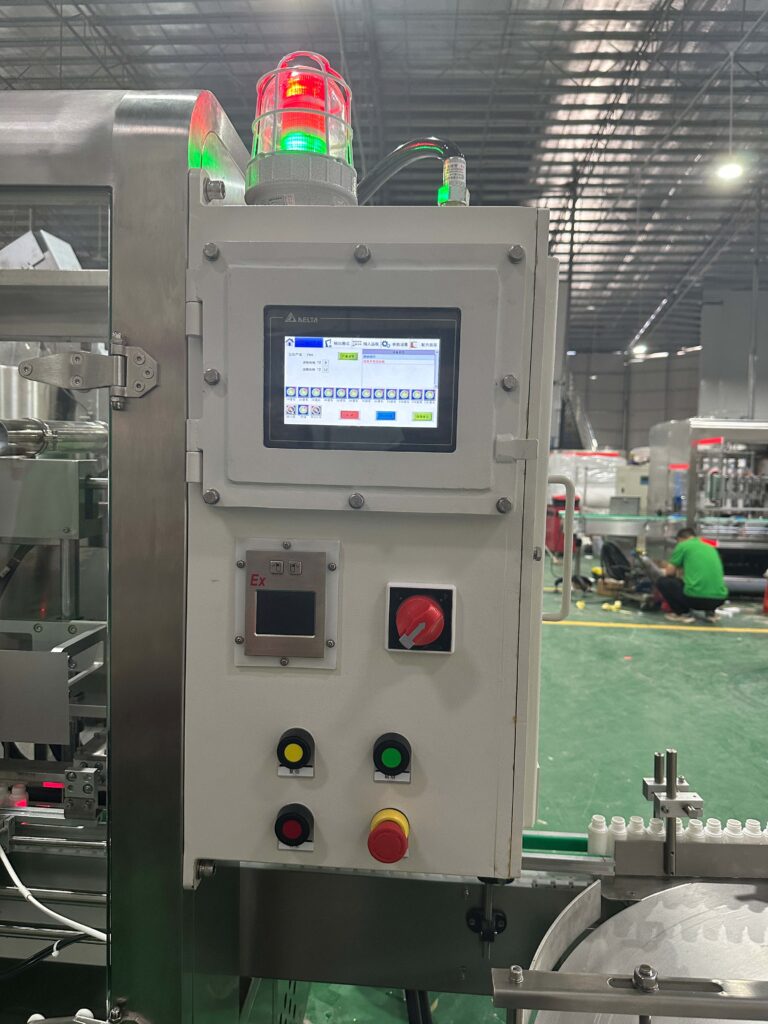
To keep your filling machines running smoothly and reduce packaging machinery downtime, GDHP recommends a structured maintenance routine. Follow this checklist broken down by daily, weekly, monthly, and annual tasks to catch issues before they escalate.
Daily Tasks:
Weekly Tasks:
Monthly Tasks:
Annual Tasks:
Following GDHP’s preventative maintenance checklist helps avoid costly repairs, extends equipment life, and ensures reliable, accurate filling performance for U.S. production demands.
Upgrading filling equipment becomes necessary when recurring problems outweigh repair costs and production impact. Key signs include frequent breakdowns causing packaging machinery downtime, inconsistent fill levels despite regular adjustments, or persistent product leakage and dripping nozzles that repair can’t fully fix. Outdated electrical components like PLC sensor calibration issues or malfunctioning anti-drip mechanisms also signal the need for new technology to improve accuracy and reduce manual intervention. Additionally, if your filling line cannot handle changes in liquid viscosity or container types efficiently, investing in modern, adaptable equipment ensures smoother operation and less conveyor jams. When maintenance costs climb or you can’t meet increased production demands, replacing aging machines improves uptime and product quality while providing access to updated preventative maintenance features and advanced controls designed for today’s U.S. manufacturing standards.
GDHP offers expert technical support and equipment upgrade services to keep your filling machines running smoothly and efficiently. Whether you’re facing persistent filling machine issues like inconsistent fill volumes or need help with sensor calibration and PLC troubleshooting, our skilled team is ready to assist.
We provide clear guidance on repairs, replacement parts, and software updates to minimize your packaging machinery downtime. Our technicians can advise on the latest upgrades to improve anti-drip mechanisms, enhance conveyor reliability, or adapt to changing product viscosities.
| Support Services | Current Status |
|---|---|
| On-call troubleshooting | Advanced control system retrofits |
| Parts replacement & repair | Nozzle and sensor modernization |
| Preventative maintenance plans | Improved conveyor and handling systems |
| Remote diagnostics | Enhanced sanitary and sealing components |
Partnering with GDHP ensures you get reliable, timely support backed by industry experience, helping you maintain top machine performance and meet production goals with minimal disruption.